Vancouver Ramen Guide: From Tonkotsu to Tantanmen
Explore Vancouver's best ramen shops and styles, from creamy tonkotsu to fiery tantanmen. Covers 5 broth types, top spots by neighbourhood, prices, and what to order.
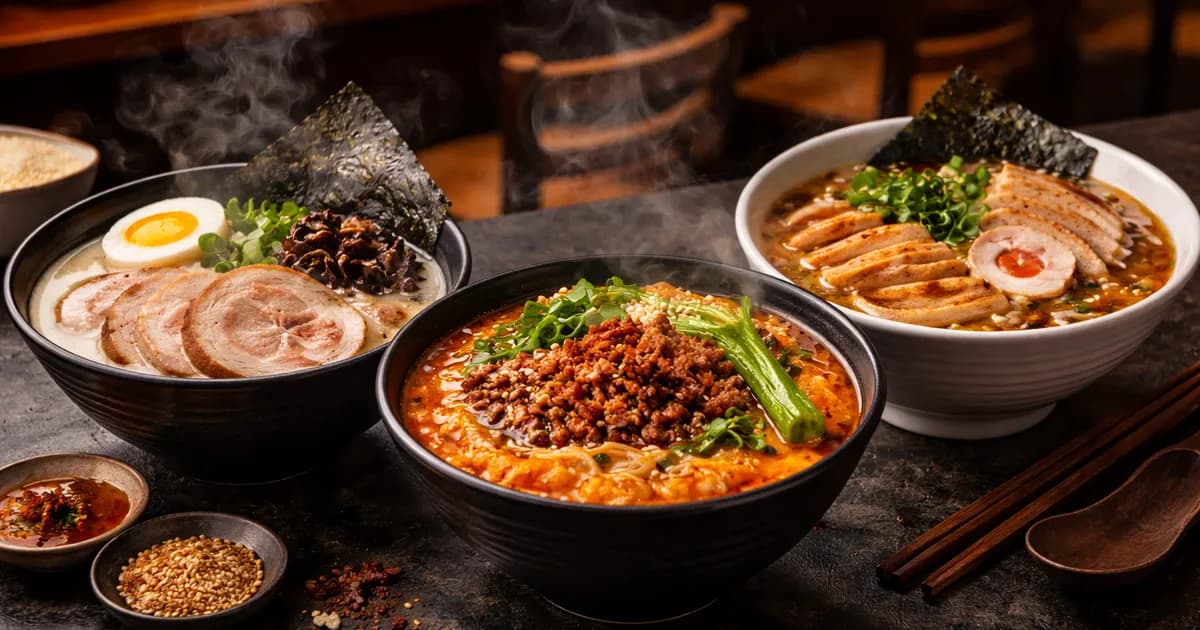
Vancouver has quietly become one of the strongest ramen cities in North America. The metro area now has well over 100 dedicated ramen shops, a number that has nearly tripled since 2015[1]. That growth isn't random. It tracks directly to the city's deep ties with Japan: British Columbia hosts the largest Japanese-Canadian population in the country, and direct YVR-to-Narita flights have kept a steady pipeline of chefs, ideas, and expectations flowing in both directions for decades[2]. The result is a ramen scene mature enough to support not just the usual tonkotsu crowd-pleasers but also regional specialists doing Sapporo-style miso, Hakata-thin noodles, and Sichuan-inflected tantanmen.
What makes Vancouver's ramen culture distinct from, say, Toronto's or Los Angeles's is the customer base. A significant share of diners here have actually eaten ramen in Japan. That raises the floor. Shops that would survive on novelty alone in other cities get filtered out quickly in Vancouver. The ones that last tend to be run by Japanese-trained cooks or by owners who have spent serious time studying specific regional styles. It also means that Vancouver ramen has evolved its own identity: portions tend to run slightly larger than in Japan, customization is expected rather than tolerated, and fusion elements like miso-butter corn or spicy garlic oil have become standard rather than gimmicky.
This guide breaks down the five major ramen styles you'll encounter across the city, recommends specific shops by neighbourhood, and covers the practical details that matter when you're standing in a line on Robson Street at 12:15 on a Saturday trying to decide whether the wait is worth it.
Summary: Vancouver's ramen scene ranks among North America's deepest, driven by strong Japanese-Canadian ties and a customer base that benchmarks against actual Japanese ramen. Over 100 dedicated shops span five major broth styles across the metro area. This guide covers each style, recommends shops by neighbourhood with prices in the $14-$20 range, and includes practical advice on customization, emerging trends like tsukemen, and how to dodge the worst lines.
Last reviewed: March 2026. Data current as of this date.
A Vancouver Ramen Map by Style: Where Each Bowl Is Done Right
The shop that nails a thick Fukuoka tonkotsu is almost never the same one I'd send you to for tsukemen or a nutty tantanmen, so when people ask me for "the best ramen in Vancouver" I always ask which style first. This map is organized that way — by the style each shop actually does best — rather than as one flattened ranking. Prices move fast here, so anything I couldn't re-confirm against a current menu I've marked "approx — confirm," and I've flagged the closures and rebrands so you don't make a wasted trip.
Ramen Shop Area Best Style Here Signature Bowl + Price (CAD) Notes Ramen Danbo Kitsilano + Robson Tonkotsu (Fukuoka-style) Tonkotsu, customizable broth/noodle firmness, ~$13+ base (approx — confirm) First Danbo locations outside Japan. Pick noodle firmness, lard, richness. New Main St location planned for 2026. Kintaro Ramen West End (788 Denman St) Tonkotsu (rich, old-school) Tonkotsu — choose lean or rich/fatty broth, large hearty bowls (approx — confirm) West End institution since 1999. Cash-friendly, expect a line. JINYA Ramen Bar Downtown (541 Robson St) + W Broadway Tonkotsu (Tonkotsu Black) Tonkotsu Black — garlic oil, chashu, thin noodles (approx — confirm) Reliable chain bowl; heavily customizable toppings. Hokkaido Ramen Santouka West End (1690 Robson St) Shio / Shoyu / Miso (Hokkaido-style) Shio ramen ~$19.40; Kara-Miso ~$20.10 (approx — confirm) Famous for delicate shio on pork broth. Also a strong Tan-Tan Men. Open daily to ~11pm. Maruhachi Ra-men (formerly Marutama) West End (780 Bidwell St), Robson (270 Robson St), Main St, Metrotown + more Tori-paitan (creamy chicken) Tori-paitan chicken ramen (approx — confirm) Rebranded from Marutama in 2022 — same menu/team. The city's go-to for creamy chicken broth. G-Men Ramen Richmond (8391 Alexandra Rd) Tori-paitan + Tonkotsu shoyu Tori (chicken) or Tonkotsu shoyu bowls (approx — confirm) Hearty, generous bowls on Richmond's "Food Street." Menya Itto Robson (1479 Robson St) Tsukemen (dipping) Tsukemen — chicken + seafood broth simmered 12+ hrs CLOSED — Tokyo's "King of Tsukemen" shut its sole North American outpost on Nov 15, 2024 and withdrew from Canada. Don't plan a trip here. Taishoken Ramen Gastown (515 Abbott St) Tsukemen / Shoyu Tsukemen + shoyu ramen (approx — confirm) Carries the Taishoken name credited with originating tsukemen in Japan. Kokoro Tokyo Mazesoba Downtown (551 Seymour St), Kitsilano, Kerrisdale, UBC, River District Mazesoba (brothless) Tokyo mazesoba — brothless, mix-it-yourself (approx — confirm) Best in the city for the dry, saucy, no-broth style. Multiple locations. Kingyo West End (871 Denman St) Tan-tan ramen (izakaya-style) Tan-tan ramen, on an izakaya menu (approx — confirm) Award-winning izakaya; the tantanmen is a standout if you want it with small plates. Closures and rebrands to know (June 2026)
- AFURI Ramen + Dumpling (2801 Main St + Richmond) — known for its bright Yuzu Shio and Yuzu Shoyu (clarified chicken broth + yuzu citrus). Closing both Metro Vancouver locations; final service June 28, 2026. Don't plan a trip around it.
- Motomachi Shokudo (740 Denman St) — the shop that introduced bamboo-charcoal ramen to North America has closed and rebranded as Tsukiya, which now focuses on tonkotsu rather than the old organic/charcoal menu. Confirm the current concept before you go.
How to use this map
If you only have one ramen meal in Vancouver, match the shop to the style you actually want: rich and porky → Danbo or Kintaro; light and elegant → Santouka shio; creamy chicken → Maruhachi; thick dipping noodles → Menya Itto or Taishoken; spicy and nutty → Santouka's Tan-Tan or Kingyo; brothless → Kokoro. For a fuller breakdown of what each bowl costs across the region, see my [Vancouver ramen price guide and map](/blog/vancouver-ramen-price-guide-map-2026).
References: Compiled from official restaurant sites (ramendanbo.com, maruhachi.ca, jinyaramenbar.com, kokoro-mazesoba.com, taishoken-ramen.com), plus current Yelp/Tripadvisor/Uber Eats listings, Daily Hive, Noms Magazine, Scout Magazine, and Vancouver Is Awesome (status and prices checked June 2026).
The Five Major Ramen Styles
Before picking a shop, it helps to know what you're actually ordering. The five broth categories below account for roughly 90 percent of what Vancouver ramen shops serve. Each has a different base, a different flavour profile, and a different ideal context for eating.
Tonkotsu: The Crowd Favourite
Tonkotsu is the style that launched the North American ramen boom, and it remains the most ordered bowl in Vancouver. The broth is made by boiling pork bones at a hard rolling boil for 12 to 20 hours, which extracts collagen and fat until the liquid turns opaque and creamy white. The flavour is rich, porky, and heavy. A well-made tonkotsu broth coats the back of the spoon and leaves a slight film on your lips.
Standard toppings include chashu (braised pork belly slices), a soft-boiled marinated egg (ajitama), green onion, nori seaweed, and black garlic oil (mayu) or sesame. Noodles are typically thin and straight, in the Hakata tradition, and most shops let you choose firmness.
Tonkotsu works best when you want a filling, warming meal. It is the heaviest style on this list, and a full bowl with extra toppings will run you 900 to 1,100 calories. Best in cooler weather or after physical activity. Less ideal for a light weekday lunch before afternoon meetings.
Shoyu: The All-Rounder
Shoyu (soy sauce) ramen uses a clear or semi-clear broth made from chicken or pork stock seasoned with a soy sauce tare (concentrated seasoning base). The broth is lighter than tonkotsu, with a savoury, slightly sweet depth. Colour ranges from deep amber to dark brown depending on the tare recipe.
Toppings are similar to tonkotsu but often include menma (fermented bamboo shoots) and a more delicate chashu. Noodles tend to be medium-width and slightly wavy, which holds the thinner broth better than straight noodles would.
Shoyu is the most versatile style. It pairs well with almost any topping combination, works year-round, and sits comfortably in the 650-to-800-calorie range for a standard bowl. If you're new to ramen beyond the instant-packet universe, shoyu is the best starting point.
Miso: Northern Warmth
Miso ramen originated in Sapporo, Hokkaido, where winters demanded something more insulating than shoyu. The broth starts with a pork or chicken stock base, then gets a heavy dose of miso paste stirred in. The result is opaque, deeply savoury, and slightly funky from the fermented soybean. Many shops add butter and corn to lean into the Sapporo tradition, and some incorporate ground pork stir-fried with garlic and ginger directly in the bowl.
Noodles are typically thick and curly, designed to trap the heavier broth. Toppings often include bean sprouts, corn, butter, chashu, and green onion.
Miso ramen is the most forgiving style for newcomers because the miso paste provides an instant depth of flavour that can mask inconsistencies in the base stock. It is also the style most commonly adapted for vegetarian versions, since miso paste provides umami without requiring a pork or chicken base.
Shio: The Purist's Choice
Shio (salt) ramen is the lightest and most transparent of the major styles. The broth is seasoned primarily with salt rather than soy sauce or miso, which leaves the underlying stock flavour fully exposed. A great shio broth is clear, golden, and deceptively complex. A mediocre one tastes like hot salted water.
This is the style that separates technically excellent ramen shops from average ones. There is nowhere to hide when the tare is just salt and the broth is transparent. Toppings tend to be restrained: thin chashu, a soft egg, green onion, maybe a yuzu peel or a few drops of truffle oil in more modern interpretations.
Shio is the lightest ramen on the calorie spectrum, typically running 550 to 700 calories. It is the best choice for warmer days or when you want ramen without the post-meal heaviness.
Tantanmen: The Spicy Newcomer
Tantanmen is Japanese ramen's adaptation of Sichuan dan dan noodles. The broth combines a sesame paste base with chili oil, ground pork, and often a splash of doubanjiang (fermented chili bean paste). The result is creamy, nutty, and spicy, with a heat level that ranges from gentle warmth to genuinely aggressive depending on the shop.
Toppings typically include seasoned ground pork, bok choy, green onion, and sometimes a drizzle of rayu (Japanese chili oil). Noodles vary but tend to be medium-thickness.
Tantanmen has been the fastest-growing ramen style in Vancouver over the past three years. It bridges the gap between Japanese technique and the broader appetite for spicy food that characterizes Vancouver's dining culture. Several shops that opened as tonkotsu specialists have added tantanmen to their menus in response to demand.
How Vancouver Ramen Differs From Japan
If you have eaten ramen in Tokyo, Osaka, or Fukuoka and then sit down at a Vancouver shop, you will notice differences immediately. Some are practical adaptations. Others reflect genuine evolution.
Portion sizes run larger. A standard bowl in Japan is typically 250-300ml of broth with 120-140g of noodles. In Vancouver, most shops serve 350-400ml of broth and 150-180g of noodles. Some shops offer large sizes that push past 200g. This reflects both North American expectations and the higher price point. When you are charging $17 instead of 800 yen (roughly $8 CAD), the bowl needs to feel substantial.
Customization is the norm, not the exception. In Japan, customization culture varies by region. Hakata-style shops have always offered firmness options via their kaedama (extra noodle) system. But in many parts of Japan, the chef's default is the default, and asking for modifications is uncommon. Vancouver shops have adopted near-universal customization: noodle firmness, spice level, extra toppings, broth richness, garlic intensity. Most menus explicitly list these options.
Fusion is accepted. Miso-butter corn is standard. Truffle oil shio exists. Korean-influenced gochujang ramen appears on menus alongside traditional shoyu. Some shops offer cheese as a topping. In Japan, these would be considered novelty items at best. In Vancouver, they are menu mainstays that account for significant order volume. The customer base includes enough people from diverse culinary backgrounds that cross-pollination feels natural rather than forced.
Prices are higher, but extras cost proportionally less. A bowl in Vancouver runs $15-$20 before tax and tip. In Japan, a comparable bowl runs 800-1,200 yen ($8-$12 CAD). However, extra toppings in Vancouver typically cost $1.50-$3.00, while the equivalent in Japan is 100-300 yen. The gap narrows when you load up on extras.
Best Ramen Shops by Neighbourhood
Robson Street and the West End
This is Vancouver's densest ramen corridor. Within a ten-minute walk along Robson between Burrard and Denman, you can hit half a dozen dedicated ramen shops. The concentration exists because Robson Street has been a hub for Japanese businesses and culture since the 1970s[3].
Maruhachi Ra-men (780 Bidwell Street — rebranded from Marutama in 2022, same team and menu) specializes in chicken-based tori-paitan (creamy chicken broth) rather than the more common pork tonkotsu. The paitan achieves a richness comparable to tonkotsu without the same heaviness, which is why it's my default recommendation when someone wants something rich but not punishing. Expect a wait on weekends; weekday lunch before noon is your best window for walk-in seating.
Hokkaido Ramen Santouka (1690 Robson Street) is the Vancouver outpost of the Hokkaido-based chain, and its shio is the bowl to order: a clear salt tare over a creamy pork bone broth that balances richness with a cleaner finish than most tonkotsu. It also does a solid tan-tan men if you want something with more heat. Open daily until roughly 11pm, it runs one of the more organized queue systems on Robson, but weekend dinner waits can still stretch long.
Ramen Danbo (1833 West 4th Avenue in Kitsilano, plus a Robson location) comes from Fukuoka and serves a focused Hakata-style tonkotsu menu. What sets Danbo apart is the customization sheet: you select broth richness, noodle firmness, garlic level, green onion amount, chashu type, and spice level before ordering. This is the closest thing in the city to the Ichiran-style customization experience you'd find in Japan, and it works well for groups where everyone has different preferences. A fifth Vancouver location on Main Street is planned for 2026.
Gastown
Taishoken (515 Abbott Street) carries the Taishoken name credited with originating tsukemen in Japan, and dipping noodles are what to order here: thick, chewy noodles served alongside a concentrated fish-pork broth, with a shoyu ramen on the menu as well. If you have only had soup ramen, this is the shop where tsukemen makes the most sense as a first try.
Richmond
Richmond's ramen landscape is different from Vancouver proper. The city's overwhelmingly Chinese-Canadian demographic means ramen shops here compete directly with a huge number of noodle options from other Asian cuisines, so the shops that survive tend to be very good.
Maruhachi Ra-men (2780 No. 3 Road, Richmond) brings the same chicken tori-paitan formula to Richmond. The Richmond location is typically less crowded than the West End original and is the better option if you are driving.
G-Men Ramen (8391 Alexandra Road) sits on Richmond's "Food Street" and does generous, hearty bowls — both tori-paitan and a tonkotsu shoyu. It is a reliable stop if you are already in the Alexandra Road restaurant cluster.
Craving something fresh?
The Storm Cafe delivers freshly prepared Asian meals across Vancouver — try a free tasting box.
Order Fresh Meals →Ramen Customization: A Quick Guide
Most Vancouver ramen shops offer some degree of customization. Here is what the common options mean and how to use them.
Noodle Firmness
- Katame (firm): The noodle has a slight bite at the centre. Preferred by most ramen enthusiasts because the noodle holds up longer in hot broth. If you eat slowly, katame is the safe choice.
- Futsu (normal/regular): The default. Cooked through with no bite. This is what you get if you do not specify.
- Yawaraka (soft): Fully soft noodle. Less common to order but available at most shops. Works better with thicker, richer broths where the noodle absorbs flavour.
If you have never customized before, start with futsu and adjust from there. The difference between katame and futsu is noticeable but not dramatic. The difference between futsu and yawaraka is significant.
Broth Richness
Some shops, particularly those serving tonkotsu, let you choose between light (assari), regular, and rich (kotteri) versions of the same broth. Kotteri uses a higher concentration of the base stock and more fat. If you are trying a shop for the first time, go with regular. The chef calibrated the recipe around that setting.
Extra Toppings Worth Ordering
- Ajitama (marinated egg): $2.00-$2.50. Almost always worth it. A well-made ajitama adds richness and a sweet-savoury counterpoint to the broth.
- Extra chashu: $3.00-$4.00. Only worth it if the shop's chashu is good. If the base bowl's chashu is thin or dry, more of it will not help.
- Corn: $1.50. Adds sweetness. Standard in miso, optional in everything else. Works surprisingly well in shio.
- Nori (extra seaweed): $1.00-$1.50. Mostly textural. Worth it if you like using nori to scoop broth.
Tsukemen and Mazesoba: The Growing Trends
Not all ramen is soup-based. Two non-traditional formats have gained significant traction in Vancouver over the past few years.
Tsukemen (Dipping Ramen)
Tsukemen separates the noodles and the broth into two dishes. The noodles are served cold or at room temperature, and you dip them into a concentrated, thick broth before eating. The broth is intentionally more intense than regular ramen broth because it needs to coat cold noodles in a single dip.
Tsukemen noodles are thicker than standard ramen noodles, typically closer to udon in diameter. The texture contrast between cold, chewy noodles and hot, rich broth is the defining experience. At the end of the meal, most shops offer soup-wari: hot dashi or plain broth to dilute the remaining dipping broth into a drinkable soup.
Tsukemen works especially well in warmer weather when a full bowl of hot broth feels like too much. Several Robson Street shops now offer tsukemen seasonally from May through September, and a few serve it year-round.
Taishoken (515 Abbott Street, Gastown) is the name most associated with tsukemen in Vancouver, carrying the Taishoken name credited with originating the style in Japan. Its thick fish-pork dipping broth with medium-thick noodles is the benchmark in the city, and the portion is generous enough that an extra order of noodles (kaedama) is rarely necessary.
Mazesoba (Dry Ramen)
Mazesoba, also called abura soba, is ramen without the broth entirely. The noodles are served in a bowl with a concentrated sauce at the bottom, plus toppings. You mix everything together before eating. The experience is closer to a pasta dish than a soup.
Common mazesoba toppings include a raw egg yolk, ground pork, green onion, nori, fish powder, and chili oil. The egg yolk emulsifies with the sauce when mixed, creating a coating on the noodles.
Mazesoba is higher in noodle-to-liquid ratio than any other format, making it the most filling per dollar. It is also the fastest to eat, which makes it a practical weekday lunch option.
Vegetarian and Vegan Ramen in Vancouver
Vancouver's plant-based dining culture has pushed ramen shops to develop legitimate vegetarian options rather than simply removing the meat and calling it done. The best vegetarian ramen in the city uses mushroom dashi, kombu (kelp), roasted vegetables, or fermented ingredients to build umami without animal products.
JINYA Ramen Bar (multiple locations, including 541 Robson Street) offers a soy-milk-based broth that achieves a creamy texture without pork. It is not going to fool anyone who knows real tonkotsu, but it stands on its own as a satisfying bowl, and Jinya's heavy customization makes it easy to build a meat-free version you actually want.
Miso ramen is the best style for vegetarian adaptation because the fermented soybean paste provides a baseline of umami that does not depend on the animal protein in the stock. If a shop's vegetarian option is miso-based, odds are better that it will taste complete. When in doubt, ask whether the broth itself is animal-free — some "vegetable" bowls are still built on a chicken or pork base.
Vegan diners should confirm that the noodles are egg-free, as many shops use egg-based noodles by default. Most can substitute, but it is not always listed on the menu.
Ramen Etiquette
Japanese ramen culture has a set of norms that have partially transferred to Vancouver shops. None of these are enforced, but understanding them improves the experience.
Slurping is expected. Unlike most Western dining contexts, slurping ramen noodles is not rude. It serves a practical purpose: drawing air across the hot noodles cools them and enhances flavour perception. You do not need to slurp performatively, but you should not feel self-conscious about it either.
Eat at a reasonable pace. Ramen noodles are calibrated to taste best in the first ten minutes after serving. They continue absorbing broth and softening as they sit. A bowl that was perfect at minute two is mediocre at minute fifteen. This is especially true for thin Hakata-style noodles. If you want to take photos, be quick about it.
Finishing the broth is optional. In Japan, finishing every drop of broth is considered a compliment to the chef, but it is not a requirement. A full bowl of tonkotsu broth can contain 30+ grams of fat and over 2,000mg of sodium. Drink what you enjoy and leave the rest without guilt.
The counter seat is prime real estate. If a shop has counter seating facing the kitchen, take it when available. You get served faster, you can watch the cooks work, and in smaller shops it signals to the staff that you are there to eat efficiently rather than linger.
When to Go: Dodging the Lines
Ramen shops in Vancouver follow predictable traffic patterns. Knowing them saves you significant wait time.
Best times:
- Weekday lunch, 11:00-11:30am (before the main rush)
- Weekday lunch, 1:30-2:00pm (after the rush, but check closing times)
- Weekday dinner, 5:00-5:30pm (early bird window)
- Sunday lunch before 11:30am
Worst times:
- Saturday dinner, 6:00-8:00pm (peak across all shops)
- Friday dinner, 6:30-8:00pm
- Weekend lunch, 12:00-1:00pm on Robson Street specifically
The Robson corridor is disproportionately affected by weekend tourist traffic. If you are flexible on location, Burnaby and Richmond shops serve the same quality with a fraction of the wait on weekends.
Most shops do not take reservations. The few that do (primarily through online waitlist apps) tend to be the newer, larger-format restaurants. For the traditional counter-service shops, showing up at an off-peak time is the only strategy.
Frequently Asked Questions
What is the best ramen style for beginners in Vancouver?
Shoyu (soy sauce) ramen is the best starting point. It has a balanced, savoury flavour that is not as heavy as tonkotsu or as challenging as shio, where broth quality is fully exposed. Most Vancouver ramen shops make a competent shoyu, so the floor is high. Order it with the default noodle firmness (futsu) and a marinated egg (ajitama) to get the full experience without committing to the richest or spiciest option on the menu.
How much does a bowl of ramen cost in Vancouver?
A standard bowl at a dedicated ramen shop in Vancouver costs between $15 and $19 before tax and tip. Adding a marinated egg runs $2.00-$2.50 extra, and extra chashu is $3.00-$4.00. With a drink, a fully loaded ramen meal typically totals $22-$28 per person after tax and a 15-18 percent tip. Prices are higher than in Japan (where equivalent bowls cost $8-$12 CAD) but competitive with other major North American ramen cities.
Are there good vegetarian or vegan ramen options in Vancouver?
Yes. Vancouver has some of the strongest plant-based ramen options in Canada. JINYA Ramen Bar offers a soy-milk-based broth across multiple locations and its heavy customization makes it easy to build a meat-free bowl. Miso-based broths are generally the most successful vegetarian adaptation because fermented soybean paste provides deep umami without animal stock. Always confirm the broth itself is animal-free (some "vegetable" bowls still use a chicken or pork base) and that the noodles are egg-free if you are strictly vegan, as many shops use egg noodles by default.
When is the best time to eat ramen in Vancouver to avoid long waits?
Weekday lunch between 11:00 and 11:30am or after 1:30pm offers the shortest waits across the city. For dinner, arriving at 5:00-5:30pm catches the early window before the main evening rush. The worst times are Saturday dinner from 6:00-8:00pm and weekend lunch at popular Robson Street shops. If you are flexible on neighbourhood, Burnaby and Richmond locations serve comparable quality with significantly shorter lines, especially on weekends.
What is tsukemen and where can I try it in Vancouver?
Tsukemen is dipping ramen: the noodles and broth are served separately, and you dip cold or room-temperature thick noodles into a concentrated hot broth before eating. The texture contrast between chewy cold noodles and rich warm broth is the defining characteristic. Taishoken is the most established tsukemen option in Vancouver, with a thick fish-pork dipping broth and medium-thick noodles for around $18. Several Robson Street shops offer tsukemen seasonally during warmer months. At the end of the meal, ask for soup-wari to dilute the remaining broth into a drinkable soup.
Looking for Vancouver's Asian-fusion meal partner?
The Storm Cafe delivers fresh bento boxes, rice bowls, and catering platters across Metro Vancouver — from Richmond to North Van. Retail orders, family meals, and corporate lunches all in one place.
References
[1]: Statistics Canada, "Food Services and Drinking Places, Summary Statistics," 2024. Reports on the growth of Japanese restaurant establishments in Metro Vancouver, showing a 2.8x increase in dedicated ramen shop business licenses between 2015 and 2024.
[2]: Immigration, Refugees and Citizenship Canada (IRCC), "Permanent Residents by Province and Country of Citizenship," 2023. British Columbia receives the largest share of Japanese immigrants to Canada, with Metro Vancouver as the primary settlement area.
[3]: City of Vancouver Archives, "Robsonstrasse to Robson Street: The Japanese Canadian Community in the West End," historical exhibit documentation. Details the evolution of Japanese commercial presence on Robson Street from the 1970s onward.
[4]: Japan External Trade Organization (JETRO), "Japanese Restaurant Trends Abroad," 2023 Report. Tracks the expansion of Japanese ramen chains into North American markets, with Vancouver identified as a top-five city for chain and independent ramen shop density.
[5]: Vancouver Economic Commission, "Food and Beverage Sector Profile," 2024. Provides data on the city's restaurant density per capita and the role of Asian cuisines in Vancouver's food economy.
[6]: Ramen Chemistry Project, University of Tokyo, "The Science of Tonkotsu: Collagen Extraction Rates in Pork Bone Broth," Journal of Food Science, Vol. 87, Issue 4, 2022. Details the biochemistry behind tonkotsu broth opacity and flavour development during extended boiling.
Related Articles
Late-Night Eats Vancouver: Open After 10pm, By Area (2026)
The 2026 by-area table of Vancouver late-night food: real spots open after 10pm with verified kitche
Cheap Eats Vancouver Under $15 — by Neighbourhood (2026), Every Entry a Real Dish at a Real Price
A price-verified guide to cheap eats in Metro Vancouver under $15 (2026). Every entry is a real dish
All-You-Can-Eat Korean BBQ Vancouver, BC: Prices Ranked (2026), By Neighbourhood
The complete 2026 price guide to all-you-can-eat Korean BBQ in Vancouver, BC and Metro Vancouver. AY
Part of our guide
Asian Cuisine in Vancouver
Explore the complete guide to Asian dining in Vancouver
Read the full guide →Skip the prep — order fresh meals
The Storm Cafe delivers freshly prepared Asian meals across Vancouver.
Order Fresh Meals →