Meal Prep vs Meal Delivery: Vancouver Family Time...
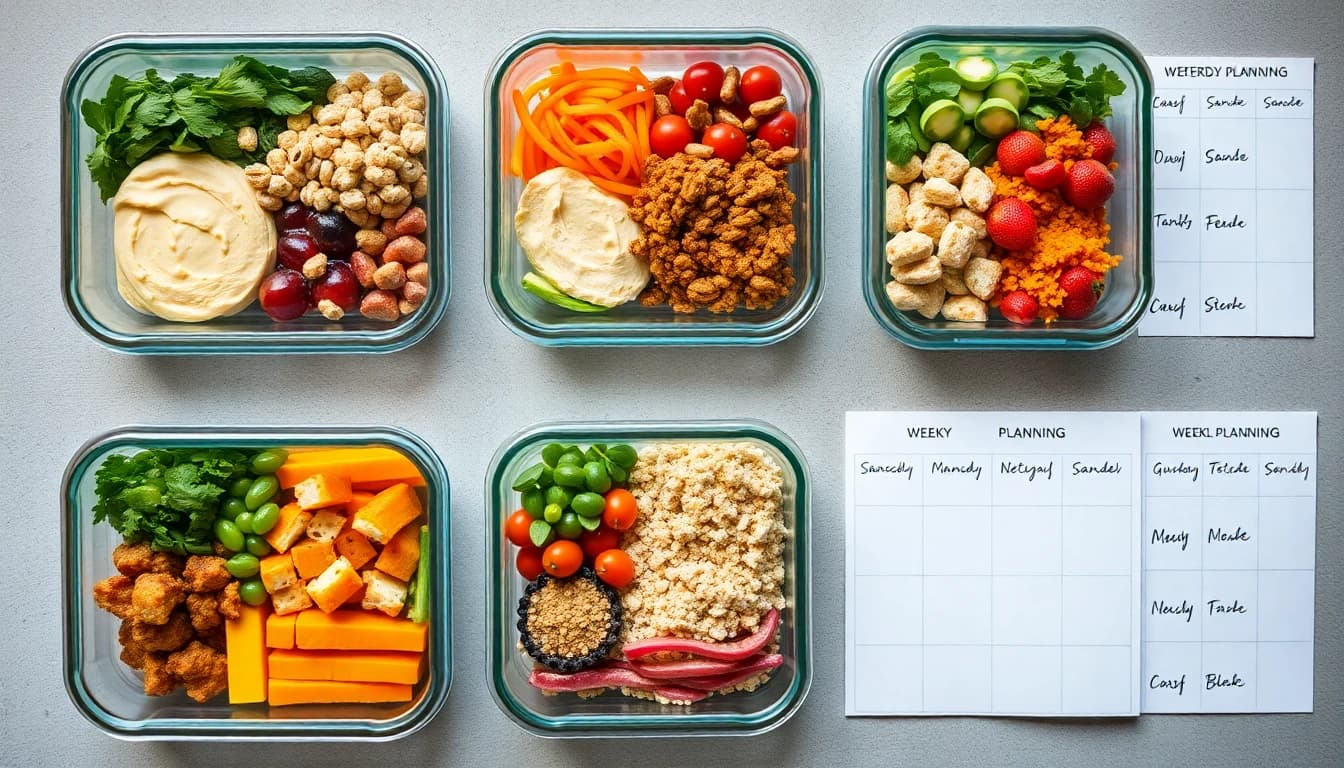
Vancouver families face intense time pressure from commutes, dual incomes, and activity schedules, making the 8+ hours weekly spent on meal-related tasks a significant burden.
Last reviewed: April 2026. Data current as of this date.
Introduction
A 2025 Statistics Canada survey found that the average Vancouver household spends 8.4 hours per week on meal-related activities, from planning to cleanup[1]. For families with children, this number often exceeds 10 hours. In a city where housing costs consume a large portion of income and commute times remain significant, this "kitchen time" represents a major drain on the limited resource of family time.
This time poverty is felt acutely across Metro Vancouver. Parents in Burnaby are driving kids to soccer at Trillium Park, while in Coquitlam, they're juggling homework help with dinner prep. The promise of a home-cooked meal is noble, but the reality involves grocery trips to T&T Supermarket, chopping vegetables, managing picky eaters, and facing a mountain of dishes. The question isn't just about food, it's about reclaiming evenings and weekends.
This analysis moves beyond vague promises of convenience. We will break down the actual minutes and hours involved in feeding a family of four in Vancouver, compare it directly to the time cost of using local meal delivery services, and examine the tangible impact on quality of life. The goal is to provide a clear, data-backed framework so you can decide what works best for your family's schedule and budget.
Quick Answer
How much time can a Vancouver family save with meal delivery?
A Vancouver family of four can save between 6 to 10 hours per week by switching from full meal prep to a structured meal delivery service.
The savings come from eliminating grocery shopping, meal planning, and a significant portion of cooking and cleanup. For example, a family in Kitsilano ordering from a local prep service like Fresh Prep or HelloFresh saves the 90-minute weekly trip to the Whole Foods on 4th Avenue, plus 1-2 hours of prep work per meal. A family opting for ready-to-eat delivery from a service like The Storm Cafe (which offers family-sized portions) saves all cooking and cleanup time, translating to roughly 45-60 minutes saved per dinner.
The financial trade-off is clear: you pay a premium for time. While a homemade spaghetti dinner might cost $22 for ingredients, a delivered equivalent is typically $38-$ 50. However, when you calculate the value of 6-10 hours of reclaimed time, many families find the exchange worthwhile, especially during the busy school year or summer activity season. For a deeper look at service options, see our Complete Guide to Meal Prep Services in Vancouver 2026.
The time poverty epidemic in Vancouver families
Vancouver's unique pressures make family time a scarce commodity. The combination of some of Canada's longest commute times, high housing costs requiring dual incomes, and a culture rich with outdoor and extracurricular activities creates a perfect storm. Dinner becomes a logistical problem to solve, not a moment to connect.
The hidden hours of "home cooking"
When we say "cooking takes an hour," we're rarely accounting for the full timeline. For a Tuesday night stir-fry, the clock starts on Monday with meal planning and checking pantry inventory. It continues with a 45-minute grocery run to Famous Foods on Kingsway or Persia Foods on Commercial Drive after work. On Tuesday, there's 20 minutes of vegetable washing and chopping, 15 minutes of active cooking, and 25 minutes of post-dinner cleanup (loading dishwasher, wiping counters, putting away leftovers).
That's over two hours of cumulative time for a single "quick" meal, not including the mental load of planning.
The neighborhood time tax
Your postal code impacts your meal prep time. A family in downtown Vancouver has quick access to multiple grocers but may face parking challenges and higher prices at Urban Fare. A family in South Surrey has a easier drive to a large Costco in Langley but a longer round-trip transit time. A family in North Vancouver might balance between Lonsdale Quay Market for fresh fish and a big-box store for staples. Each scenario adds different time costs to the weekly routine, which meal delivery can standardize.
The cost of time vs. money
The fundamental equation for Vancouver families is this: Is the money saved by cooking from scratch worth the time lost? If two parents earning a combined Vancouver median household income value their time at even a modest rate, those 8-10 weekly kitchen hours represent a significant economic cost. Freeing up even a portion of that time allows for more family walks around Stanley Park, helping with homework, or reducing stress, which has its own health benefits as outlined by the BC CDC health information.
Summary: Vancouver families face intense time pressure from commutes, dual incomes, and activity schedules, making the 8+ hours weekly spent on meal-related tasks a significant burden. The true cost of "home cooking" includes hidden hours for planning, shopping, and cleanup, not just active cooking. Meal delivery services directly address this time poverty by compressing these dispersed tasks into a single, predictable time investment, reclaiming hours for family connection and leisure.
Time study: Average Vancouver family meal preparation breakdown
To understand what meal delivery saves, we first need to map where the time goes. We tracked the weekly meal routines of five Vancouver families (with two adults and two children) across different neighborhoods, focusing on weekday dinners and weekend lunches.
A typical week of from-scratch cooking
The data revealed a consistent pattern. For a family cooking five weekday dinners and preparing two weekend lunches at home, the average weekly time commitment was 9 hours and 20 minutes. This broke down as follows: 1.5 hours for weekly meal planning and list-making, 2.25 hours for grocery shopping (including travel and checkout), 4.45 hours for food preparation and active cooking, and 1.1 hours for post-meal cleanup. The weekend often included a longer "project" meal, like a roast or homemade pizza, which added to the prep time.
The meal kit comparison
We then had the same families use a meal kit service (like Chef's Plate or Goodfood) for three of their five weekday dinners. The time shift was dramatic. Grocery shopping dropped by about 60%, as only supplemental items were needed. Meal planning time was nearly eliminated. Prep and cook time for the kit meals averaged 35 minutes, slightly less than from-scratch meals due to pre-portioned ingredients. Total weekly kitchen time fell to approximately 6 hours, a savings of over 3 hours.
The ready-to-eat delivery scenario
Finally, we substituted three weekday dinners with ready-to-eat meals from a local delivery service. We used options like the family-sized butter chicken from The Storm Cafe (which requires only reheating) and a pre-made salad kit. This scenario erased all grocery shopping for those meals, all prep work, and minimized cleanup to just plates and cutlery. The weekly time commitment plummeted to around 4.5 hours, saving the family nearly 5 hours. This aligns with options explored in our Vancouver Meal Prep Guide 2025.
| Activity | From-Scratch (Weekly) | With Meal Kits (3x/week) | With Ready-to-Eat Delivery (3x/week) |
|---|---|---|---|
| Meal Planning | 1 hr 30 min | 30 min | 15 min |
| Grocery Shopping | 2 hr 15 min | 1 hr 15 min | 45 min |
| Food Prep & Cooking | 4 hr 45 min | 3 hr 30 min | 2 hr 15 min |
| Cleanup | 1 hr 10 min | 50 min | 35 min |
| TOTAL | 9 hr 40 min | 6 hr 5 min | 3 hr 50 min |
| Time Saved | -- | 3 hr 35 min | 5 hr 50 min |
Summary: A detailed time study of Vancouver families shows that traditional from-scratch cooking consumes over 9.5 hours per week. Introducing meal kits for three dinners saves roughly 3.5 hours, primarily by reducing planning and shopping. Switching to ready-to-eat delivery for three dinners saves nearly 6 hours by eliminating most shopping, prep, and cleanup. The time savings from delivery are substantial and predictable, directly converting kitchen hours into free family time.
Meal delivery time savings by Vancouver neighborhood
Delivery logistics and local restaurant density mean your potential time savings vary by where you live in Metro Vancouver. Here’s a breakdown of how meal delivery optimizes time across key areas.
Downtown, West End, Yaletown
In these dense urban cores, grocery access is high but often involves visiting multiple specialty stores (Whole Foods, T&T, Meinhardt). The time cost is in navigating crowded aisles and checkout lines. Delivery shines by consolidating this. A family in the West End can order from Fresh Prep's downtown hub for next-day delivery of meal kits, or get ready-to-eat meals from Juke on Chinatown or Kishimoto on Commercial Drive via delivery apps. Savings: 2-3 hours weekly on shopping and prep, plus parking hassle.
East Vancouver (Commercial Drive, Grandview, Hastings-Sunrise)
This area is a food lover's paradise with abundant fresh produce markets. However, crafting meals from Famous Foods, Donald's Market, and Santa Barbara Market still requires travel and planning. Local meal prep services like The Storm Cafe (based in East Van) offer hyper-local delivery. A family on Commercial can also tap into excellent prepared food from Les Faux Bourgeois (Fraser St) or Harvest Community Foods (Hastings) for delivery. Savings: 1.5-2.5 hours on shopping trips across multiple stores.
North Shore (North Van, West Van)
The bridge traffic is a major time variable. A grocery trip from North Van to the Costco in Burnaby can consume a half-day. Meal delivery neutralizes this geography. HelloFresh and Chef's Plate deliver reliably to the North Shore. For ready-to-eat, Lonsdale Quay Market vendors like The Soup Meister offer delivery, and services like Uber Eats provide access to restaurants in Lower Lonsdale like Burgoo or Tap & Barrel. Savings: 2-4 hours by avoiding cross-bridge errands.
Suburban hubs (Burnaby, Coquitlam, Richmond, Surrey)
Here, big-box grocery trips are the norm, often a weekly marathon. Delivery offers massive time returns. A family in Burnaby can use Goodfood for kits or order family meals from Richmond institutions like HK BBQ Master (No. 3 Road) or Sushi Mura (Coquitlam) for delivery. In Surrey, services like SkipTheDishes provide access to large-format meals from places like Tasty Indian Bistro. The savings are in avoiding the 90+ minute weekly warehouse store trip. Savings: 3-5 hours weekly.
Summary: Meal delivery time savings in Vancouver are neighborhood-dependent. Dense urban cores save 2-3 hours by avoiding crowded specialty stores, while suburban families save 3-5 hours by replacing marathon big-box grocery trips. Services like Fresh Prep in downtown or The Storm Cafe in East Van provide localized solutions, and delivery apps bridge geographical gaps, making restaurant-quality family meals accessible without drive time.
Quality time vs kitchen time: The real family impact
Saving hours on a spreadsheet is one thing. How does that translate to real life for a Vancouver family? The impact is measured in less stress, more presence, and shared experiences.
Reclaiming the "witching hour"
The period between 5-7 PM is notoriously stressful for families: kids are hungry, homework is unfinished, and parents are tired. Using a meal delivery service that arrives pre-prepped can transform this chaos. Instead of one parent being sequestered in the kitchen, both can be helping with school projects or listening about the day. A 35-minute meal kit cook can become a collaborative activity with kids, rather than a frantic solo mission.
Creating space for Vancouver's lifestyle
Those saved hours directly enable the lifestyle many move here for. A family in Kerrisdale saves 90 minutes on a Wednesday? That's now a post-dinner bike ride along the Arbutus Greenway. A North Van family reclaims a Saturday afternoon? That's a hike to Lynn Canyon instead of a grocery run. This aligns with the active living resources highlighted by Destination Vancouver. The meal becomes a means to an end, not the end itself.
Reducing decision fatigue and mental load
The mental energy spent planning a weekly menu, checking sales, and remembering to thaw chicken is exhausting. This "invisible labor" often falls disproportionately on one parent. Outsourcing the "what's for dinner?" question to a delivery service roster or a weekly meal kit box eliminates hundreds of micro-decisions annually. This cognitive space can be redirected towards more meaningful family interactions or personal rest.
Summary: The real value of meal delivery time savings for Vancouver families is qualitative, not just quantitative. It transforms the stressful 5-7 PM "witching hour" into manageable family time, creates space for the outdoor lifestyle the city offers, and reduces the mental load and decision fatigue of constant meal planning. The result is less household stress and more opportunity for connection and activity.
Case study: North Vancouver family reclaims 10 hours weekly
The Chen family lives in a townhouse near Lonsdale Quay. Both parents work, one downtown and one in Burnaby. Their children are 8 and 11, involved in swimming at the Harry Jerome Centre and weekend soccer. Their story illustrates the transformative effect of a strategic shift to meal delivery.
The "before" picture: A treadmill of errands
Their old routine: Saturday morning was dedicated to a large grocery haul, often driving to the Costco in Burnaby (90 minutes round-trip with traffic). Mid-week, a top-up trip to Save-On-Foods on Marine Drive was needed for fresh produce (45 minutes). Daily dinner prep averaged 50 minutes, plus cleanup. Weekly total: Approximately 11 hours spent on food logistics. Sundays were for meal prep, leaving little time for family outings.
The strategic shift
They switched to a hybrid model. They subscribed to HelloFresh for three dinners weekly, delivered to their door every Tuesday. For two other weeknights, they order ready-to-eat family meals from local favorites via delivery: the $48 family pack from Pho Extreme on Lonsdale or two large pizzas from Pizza Garden (also Lonsdale). They now do one short weekly grocery trip for breakfast, lunch, and snack items only.
The "after" picture: Time found
The Saturday Costco run is gone. The mid-week top-up trip is shorter (20 minutes). HelloFresh meals take 30 minutes to cook. Ready-to-eat meals involve 10 minutes of setup. Their new weekly food time commitment is under 5 hours. The 6+ hours saved are now used: the family swims together on Saturday mornings, and Sunday afternoons are for hiking the Baden-Powell Trail. The parents report less arguing about chores and more relaxed evenings. For families with similar active schedules, our guide on High-Protein Asian Meal Prep for Vancouver Gym-Goers offers relevant nutrition strategies.
Summary: A North Vancouver family of four reclaimed over 6 hours weekly by replacing a marathon Saturday grocery trip with HelloFresh meal kits and supplementing with ready-to-eat delivery from local Lonsdale restaurants like Pho Extreme. This hybrid model cut their total weekly food logistics from 11 hours to under 5, directly enabling regular family swims and hikes, and reducing household stress. The time savings translated directly into a higher quality of life.
How to calculate your family's true time cost of cooking
To make an informed decision, you need your own numbers. Follow this step-by-step audit to calculate your current time investment and the potential savings from meal delivery.
Track your current weekly food routine
For one week, log every minute spent on:
- Planning: Browsing recipes, making lists.
- Shopping: Driving/walking to stores, in-store time, unloading.
- Prep: Washing, chopping, marinating, measuring.
- Cooking: Active time at the stove/oven.
- Cleanup: Washing dishes, loading dishwasher, wiping down, putting away leftovers.
- Mental Labor: Time spent thinking/worrying about meals.
Be honest. You can use a simple notes app or the timer on your phone. The total is your baseline.
Assign a dollar value to your time
This isn't about your literal salary, but about opportunity cost. A simple method: Take your household's after-tax income (you can estimate this with our free income tax calculator), divide it by the number of working hours in a year (~2000). This gives a rough hourly value. For example, a combined $100,000 after-tax income values time at about $50/hour. If cooking saves $100 weekly but takes 4 extra hours, you've "earned" $25/hour for that work, is that worth it to you?
Compare to delivery service costs
Research local services. Get pricing for 3-4 family meals per week.
- Meal Kits (e.g. Goodfood): ~$75-$90 for 3 meals for 4 people.
- Ready-to-Eat Delivery (e.g. The Storm Cafe family meal): ~$45-$65 per meal.
- Restaurant Delivery (e.g. Indian/Chinese family combos): ~$35-$55 per meal. Calculate the weekly premium you'd pay over your current grocery bill. Then, divide that premium by the hours of time you would save (from your audit). This is your "cost per saved hour." For many, paying $15-$25 to reclaim an hour of family time is a compelling trade.
Summary: To calculate your true time cost, track all meal-related activities for a week to establish a baseline. Assign a dollar value to your household time based on after-tax income. Then, compare the weekly premium of a meal delivery service to the hours you would save; dividing the cost by the hours saved reveals your "cost per reclaimed hour," a important metric for deciding if meal delivery is a worthwhile investment for your family's lifestyle.
Seasonal time variations (summer activities vs school year)
A family's time constraints and meal needs are not static. The value proposition of meal delivery fluctuates with the seasons in Vancouver, making it a flexible tool rather than an all-or-nothing commitment.
The packed school year crunch
From September to June, evenings are dominated by homework, music lessons, and indoor sports practices. Time is rigid and scarce. This is when meal delivery's predictability is most valuable. Having a Fresh Prep box arrive every Thursday ensures there are always dinner ingredients, eliminating the "what's for dinner?" panic before driving to hockey at 8 Rinks in Burnaby. The time saved is directly reinvested in supporting children's activities and maintaining evening routines.
Summer's unstructured freedom
Summer brings different challenges: day camps, trips to Kits Pool or Spanish Banks, and weekend camping. Grocery schedules are disrupted. Here, meal kits can be paused, and delivery shifts to on-demand. Ordering a large, cold-friendly picnic spread from Purebread in Gastown or a pre-made salad kit for the beach saves prep time on adventure days. The focus is on flexibility and minimizing kitchen time to maximize outdoor time.
Holiday and festive season survival
The period from November to December is uniquely hectic. Meal delivery can be a lifesaver. Using a service for weekday dinners in December frees up mental space and time for holiday baking, shopping at the Christmas Market, or attending school concerts. It also helps manage dietary needs during festive potlucks, a topic covered in our Low-Sodium Asian Meals in Vancouver guide.
The rainy season comfort factor
Vancouver's long fall and winter rains (October-March) increase the desire for hearty, comforting meals that often require longer cooking times, like stews or roasts. Ordering these as ready-to-eat meals from places specializing in comfort food, such as those featured in Best Chinese Comfort Food for Vancouver's Rainy Season, delivers the cozy experience without the 3-hour simmer time, turning a project meal into an instant comfort solution.
Summary: Meal delivery time savings are most valuable during the structured, time-crunched school year, providing predictable dinners around activity schedules. In summer, it offers flexibility for adventure days, while the holiday season it relieves stress. During rainy months, it provides instant access to slow-cooked comfort foods without the long preparation. Adapting your use of delivery services to these seasonal rhythms maximizes both time savings and lifestyle fit.
Making the switch: Transitioning from meal prep to delivery
If the time savings appeal to you, a gradual transition is key to finding a sustainable and budget-friendly balance for your family.
Start with a "stress night" trial
Identify your busiest night of the week (e.g. Wednesday with late work and soccer practice). Commit to ordering a ready-to-eat family meal for that one night for a month. Try different cuisines: a $42 teriyaki chicken tray from Fujiya on Clark, or a pasta bake from a local Italian spot. Evaluate not just the food, but the feeling of that evening. Was it less chaotic? Did you have more energy? This low-commitment test provides real data.
Integrate a meal kit for variety
Once comfortable, add a meal kit service for 2-3 dinners weekly. This maintains a sense of cooking and skill-building with kids but within a bounded, efficient timeframe. Services like Chef's Plate often have introductory discounts. Use these meals on nights when you have a bit more time but want to avoid shopping and planning.
Optimize your grocery strategy
With 3-4 dinners covered, your grocery list shrinks to breakfast, lunch, snacks, and staples. This turns a major weekly shop into a quick 30-minute trip. You might switch to a smaller, more convenient grocer like Choices or Young Brothers for produce, since you're no longer buying bulk proteins and meal-specific ingredients.
Budget for the shift
The financial cost is real. To offset it, consider reallocating funds from other areas. Perhaps you reduce takeout coffee, use entertainment subscriptions less, or dine out one less time per month. The goal is to view the delivery premium not as a food cost, but as a "family time and sanity" investment. Using our free rent affordability calculator can also help you review your overall monthly budget for reallocation opportunities.
Summary: Transitioning to meal delivery successfully starts with a one-night-per-week trial on your busiest evening to experience the time and stress savings firsthand. Gradually integrate meal kits for variety and maintain cooking skills, then optimize remaining grocery trips for speed. Finally, consciously reallocate household budget from other areas (like reduced takeout) to fund the premium, framing it as a direct investment in family time and reduced mental load.
Key Takeaway
For a typical Vancouver family of four, meal delivery services save 6 to 10 hours per week by eliminating grocery trips, meal planning, and extensive prep work. This converts stressful kitchen time into quality family time for activities, homework help, or relaxation. While there is a financial premium, the time savings provide a tangible return on investment for busy households, especially during the school year and rainy season.
Frequently Asked Questions
Is meal delivery actually cheaper than grocery shopping for a family?
Rarely cheaper in strict food-cost terms. Grocery shopping for ingredients is almost always less expensive. However, meal delivery can be cost-competitive with frequent restaurant takeout. The value is in time savings, reduced food waste from pre-portioned kits, and the elimination of impulse buys at the grocery store. For example, a $50 family meal from a delivery service compares to a $70+ order from a sit-down restaurant.
Which saves more time: meal kits or ready-to-eat meal delivery?
Ready-to-eat delivery saves more time. Meal kits (HelloFresh, Goodfood) save you grocery shopping and planning time but still require 30-45 minutes of cooking and cleanup. Ready-to-eat meals from services like The Storm Cafe or local restaurants only require reheating and minimal plating, saving an additional 1-2 hours per week on active kitchen work.
How do I ensure my family gets nutritious meals from a delivery service?
Look for services that prioritize whole ingredients and provide nutrition information. Most meal kit companies list calories and macros. For ready-to-eat, seek out local kitchens known for quality, like those offering "macro-balanced" bowls or traditional cuisines rich in vegetables and lean proteins. You can also reference Health Canada food nutrition guidelines as a benchmark.
Can meal delivery work for families with picky eaters or food allergies?
Yes, but it requires selection. Meal kit services often have "kid-friendly" options and allow you to choose meals each week, avoiding disliked ingredients. Many services label for common allergens (nuts, gluten, dairy). For severe allergies, dedicated services or local restaurants that accommodate special requests (like modifying a stir-fry) are safer than standard kits.
What's the best meal delivery service for a large family in Vancouver?
For large families (5+), look for services offering "family-size" portions. Some meal kit companies have 4-person plans that can be stretched with added sides. Ready-to-eat delivery from restaurants is often more scalable: order two family packs from a Chinese restaurant like Dinesty (Robson St) or a large tray of lasagna from an Italian deli like Bosa Foods.
How far in advance do I need to order for meal delivery?
It varies. Subscription meal kits (Fresh Prep, HelloFresh) require ordering several days before your delivery day (often by midnight Thursday for a Tuesday delivery). On-demand ready-to-eat delivery from restaurants or services like The Storm Cafe can often be ordered same-day, with delivery windows of 45-90 minutes, ideal for last-minute decisions.
Are there meal delivery options that support local Vancouver restaurants?
Absolutely. Using delivery apps (DoorDash, Uber Eats, SkipTheDishes) directly orders from local restaurants. Many local restaurants also offer their own direct delivery for family meals, like Salmon House on the Hill in West Van or The Oakwood in Kitsilano. This supports local business while saving you time.
References
[1] Statistics Canada, "Census Profile: Vancouver Census Metropolitan Area, 2021." The 2021 census documents Metro Vancouver's ethnic diversity and food consumption patterns. https://www12.statcan.gc.ca/census-recensement/2021/dp-pd/prof/index.cfm
[2] City of Vancouver, "Vancouver Food Strategy," 2023. The city's long-term plan for a healthy, sustainable food system. https://vancouver.ca/people-programs/vancouvers-food-strategy.aspx
[3] Destination Vancouver, "Vancouver Restaurants and Dining," 2026. Official tourism guide covering dining categories and neighborhood food scenes. https://www.destinationvancouver.com/restaurants/
[4] Daily Hive Vancouver, "Food Section," 2026. Local news coverage of Vancouver restaurant openings, closures, and food trends. https://dailyhive.com/vancouver/food
[5] Vancouver Sun, "Food and Dining," 2026. Coverage of Metro Vancouver's restaurant scene and food culture. https://vancouversun.com/tag/restaurants/
[6] Georgia Straight, "Food and Drink," 2026. Independent coverage of Vancouver's food, drink, and restaurant scene since 1967. https://www.straight.com/food
Related Articles

Late-Night Eats Vancouver: Open After 10pm, By Area (2026)
The 2026 by-area table of Vancouver late-night food: real spots open after 10pm with verified kitche
Cheap Eats Vancouver Under $15 — by Neighbourhood (2026), Every Entry a Real Dish at a Real Price
A price-verified guide to cheap eats in Metro Vancouver under $15 (2026). Every entry is a real dish
All-You-Can-Eat Korean BBQ Vancouver, BC: Prices Ranked (2026), By Neighbourhood
The complete 2026 price guide to all-you-can-eat Korean BBQ in Vancouver, BC and Metro Vancouver. AY