Vancouver Cost of Living in
A realistic monthly budget for a single person in Vancouver starts at $2,800, with rent consuming $2,300-$2, 800. Groceries cost $400-$600, and transit is a fixed $ 110. Strategic shopping and forgoing a car are key to managing these core expenses.

2026: Complete Monthly Budget Breakdown
Last reviewed: April 2026. Data current as of this date.
Introduction
The average rent for a one-bedroom apartment in Vancouver reached $2,800 per month in late 2025, a figure that continues to shape the financial reality for residents[1]. For anyone considering a move to the city, or for locals trying to budget effectively, understanding this evolving cost landscape is not just helpful, it's essential. Vancouver offers an incredible lifestyle, but it comes with a price tag that requires careful planning and smart choices.
This guide breaks down the Vancouver cost of living in 2026 into clear, actionable numbers. We'll move beyond averages to show you real-world prices for housing, food, transportation, and other essentials. Whether you're a student, a young professional, or a couple planning your future, you'll find specific budget tiers and area comparisons to help you make informed decisions. We'll also share practical tips for saving money, from where to shop for groceries to how to navigate the city affordably.
Think of this as a financial map, created by someone who has navigated these expenses firsthand, to help you build a sustainable life in one of Canada's most beautiful and dynamic cities.
Quick Answer
How Much Money Do You Need to Live in Vancouver in 2026?
A single person needs a minimum monthly budget of $2,800-$3,200 for a tight lifestyle, while a comfortable life for one requires $4,000-$5,000 per month after tax.
These figures assume you are renting, using public transit, and cooking most meals at home. For a couple without children, a combined monthly budget of $5,500 to $7,000 allows for a comfortable standard of living, including occasional dining out, entertainment, and savings. The single biggest expense is, without question, housing. A one-bedroom apartment in a central neighborhood like Fairview or Mount Pleasant will cost between $2,300 and $2, 800. If you're willing to live in a basement suite in East Vancouver or commute from Burnaby, you might find options starting around $2, 100. Beyond rent, you must budget for groceries ($400-$600 per person), a monthly transit pass ($110), and utilities like internet ($60-$80) and a basic phone plan ($35-$60). To understand exactly what your take-home pay will be after Canadian taxes, use our free income tax calculator.
Vancouver Expenses Breakdown: The Real Monthly Budget
To build a realistic budget, you need to look at each category in detail. Vancouver's costs can surprise newcomers, especially when it comes to daily essentials like food and transportation. Let's break down where your money will go every month.
Housing: Rent is Your Largest Fixed Cost
Rent dominates the budget. As of early 2026, the market for a standard one-bedroom apartment in a concrete building varies by area. In the West End, you might pay $2,600 for an older building with character. In Yaletown or the Olympic Village, expect $2,800 or more for a modern unit with amenities. Kitsilano remains highly desirable, with one-bedrooms averaging $2, 700. For more affordable options, look to neighborhoods like Renfrew-Collingwood or Hastings-Sunrise, where rents can dip to $2,300 for a one-bedroom. Always factor in additional costs: tenant insurance is a must and costs $20-$40 monthly, and some buildings charge separate parking fees ($50-$150/month) or storage locker fees. When searching, a good rule is that your gross monthly income should be at least three times the rent. You can check what's feasible for your salary with our free rent affordability calculator.
Groceries and Daily Necessities
Your grocery bill is a flexible expense where smart choices make a huge difference. A single person cooking at home can expect to spend $400-$600 per month. Prices vary wildly by store. For Asian ingredients, T&T Supermarket (179 Keefer Pl) is a staple but can be pricey for staples; their produce and live seafood are excellent but premium. For better deals on Western staples and produce, Save-On-Foods or No Frills often have lower prices. For bulk buying, a Costco membership (e.g. 605 Expo Blvd) is invaluable for non-perishables, meat, and dairy, especially for couples or families.
A gallon of milk costs about $6.50, a loaf of bread $3.50-$5.00, and a dozen eggs $4.50-$6. 00. Chicken breast can range from $8 to $15 per pound depending on the store and sale. Planning your meals is the best way to save. For inspiration, check out our guide on High-Protein Asian Meal Prep for Vancouver Gym-Goers, which includes cost-effective recipes.
Transportation: Getting Around the City
Vancouver's public transit system, run by TransLink, is efficient and often preferable to driving. A one-zone monthly Compass Card pass, valid for travel within Vancouver city limits, costs $ 110. If your commute requires crossing into Burnaby or Richmond (two zones), the monthly pass is $ 155. A three-zone pass (e.g. to Surrey) is $ 205. Many downtown workers find the one-zone pass sufficient. Owning a car is a major added expense. Beyond car payments, consider insurance (ICBC premiums can easily be $150-$300/month for a new driver), fuel (around $1.90 per litre in 2026), and parking (downtown monthly parking can exceed $300). For most city dwellers, a combination of transit, cycling, and occasional car-share services like Evo or Modo is the most economical choice. The BC CDC promotes active transportation as part of a healthy lifestyle, which aligns well with saving money[2].
Summary: A realistic monthly budget for a single person in Vancouver starts at $2,800, with rent consuming $2,300-$2,
- Groceries cost $400-$600, and transit is a fixed $
- Strategic shopping and forgoing a car are key to managing these core expenses. Expect these baseline costs to increase 2-4% annually.
How Much Money You Need in Vancouver: Three Budget Tiers
Your lifestyle dictates your budget. Here we outline three common scenarios: a tight budget for students or those starting out, a comfortable single professional lifestyle, and a couple's budget. These are estimates for after-tax income.
Tier
1: The Student or Tight Budget ($2,800 - $3,200/month) This tier is about covering essentials with minimal frills. Housing likely means a room in a shared house ($900-$1,300) or a basement suite studio ($1,800-$2,100). You'll be meticulous about grocery spending, shopping sales at No Frills or Sunrise Market (100 E Pender St), and cooking all meals. A monthly transit pass is a necessary line item. Entertainment is low-cost: hikes, free museum days, or a cheap eat like a $6 banh mi from Ba Le (6018 Fraser St). Dining out is a rare treat, maybe a $15 bowl of ramen at a place like Marutama (780 Bidwell St) once a month.
There's little room for savings or unexpected expenses. This budget is workable but requires discipline.
Tier
2: Comfortable Single Professional ($4,000 - $5,000/month) This tier allows for a decent one-bedroom apartment in a pleasant neighborhood ($2,400-$2,700), regular grocery shopping at a mix of Save-On-Foods and specialty stores, and a monthly transit pass. You can afford a mid-range phone plan with data ($60) and a good internet package ($80). Dining out becomes a regular part of life: a weekly lunch out ($15-$20 at a spot like Peaceful Restaurant (532 W Broadway) or a rice bowl from a downtown food court) and a couple of nicer dinners per month ($50-$70 per person).
You can budget for fitness classes ($80-$150/month), occasional concerts, and building savings. Shopping for clothes or electronics happens thoughtfully, not impulsively. This is the standard for many working professionals in the city.
Tier
3: Couple or Dual-Income Household ($5,500 - $7,000+/month) With combined resources, couples gain efficiency. A modern one-bedroom or older two-bedroom apartment ($2,800-$3,500) splits between two incomes. Groceries for two might be $700-$900, but buying in bulk at Costco offers better value. They might run one car for weekend trips, adding insurance, fuel, and parking costs, or both rely on transit. Dining out is more frequent, from casual nights at places like Phnom Penh (244 E Georgia St) to nicer dinners at restaurants featured on the Destination Vancouver restaurant guide.
This budget allows for vacations, significant savings, investments, and discretionary spending on hobbies. For large gatherings, they might explore What Vancouver Catering Companies Handle Large Office Orders for ideas, even for private events.
| Expense Category | Tight Budget (Single) | Comfortable (Single) | Couple (Dual Income) |
|---|---|---|---|
| Housing (Rent) | $1,800 - $2,100 | $2,400 - $2,700 | $2,800 - $3,500 |
| Groceries | $350 - $450 | $450 - $550 | $700 - $900 |
| Dining Out | $50 - $100 | $200 - $300 | $400 - $600 |
| Transport | $110 (Transit) | $110 (Transit) | $220 (Transit) or $400+ (1 Car) |
| Utilities/Phone | $120 - $150 | $160 - $200 | $220 - $280 |
| Discretionary/Savings | $0 - $200 | $400 - $800 | $1,000 - $1,800+ |
| Total Monthly Estimate | ~$2,800 - $3,200 | ~$4,000 - $5,000 | ~$5,500 - $7,000+ |
Summary: Your needed income in Vancouver falls into clear tiers: a bare-bones lifestyle requires $2,800-$3,200 monthly, a comfortable single life needs $4,000-$5,000, and a couple should budget $5,500-$7,
- The jump from "tight" to "comfortable" primarily funds better housing, regular dining, and the ability to save.
Cost of Living Vancouver
2026: Area Comparison and Saving Tips
Where you live in Metro Vancouver dramatically impacts your costs. adopting local money-saving habits can stretch your budget without sacrificing quality of life.
Downtown vs. Suburbs: A Cost Comparison
Living downtown (West End, Yaletown, Downtown Core) means ultimate convenience and walkability, but you pay a premium. A one-bedroom averages $2,700-$3,000+. Groceries are from smaller, pricier urban stores like Urban Fare or Whole Foods, though you can find deals at the Davie Street No Frills. The big saving is that you likely won't need a transit pass, saving $110/month. Neighborhoods like Mount Pleasant and Fairview offer a slightly lower rent average ($2,400-$2,700) with excellent transit and bike routes, and access to more affordable grocery options like Famous Foods or the Safeway on Broadway.
Crossing into Burnaby (Metrotown, Brentwood) can shave $200-$400 off your rent for a similar apartment. A one-bedroom might be $2,200-$2, 500. You'll need a two-zone transit pass ($155/month) to commute downtown, but you gain access to huge, affordable Asian supermarkets like Crystal Mall (4500 Kingsway) and big-box stores. Surrey City Centre offers even more affordability, with one-bedrooms starting around $1,900-$2,200, but the commute to downtown Vancouver is long (45-60+ minutes on SkyTrain) and requires a three-zone pass ($205/month). The trade-off is space and lower housing costs.
Smart Tips for Saving Money in Vancouver
- Master Grocery Shopping: Never shop hungry. Plan meals around weekly flyers from Save-On-Foods, Superstore, and T&T. Buy produce at local Asian grocers (like Persia Foods or Chinatown markets) for better prices and freshness. For pantry staples, bulk stores like Bulk Barn or Costco win.
- Embrace Meal Prep and Affordable Lunches: Cooking in bulk saves money and time. If you work downtown, avoid the $15-$20 daily lunch habit. Bring leftovers, or seek out affordable options. Our list of Best Asian Lunch Spots in Downtown Vancouver highlights places with hearty meals under $
- For those with no time to cook, meal prep services can be a cost-effective middle ground compared to daily takeout; compare options in our Complete Guide to Meal Prep Services in Vancouver 2026. For example, a local service like The Storm Cafe offers prepared meals that can be cheaper than ordering from multiple restaurants.
- use Free Entertainment: Vancouver's natural beauty is free. Hike the Grouse Grind, walk the Stanley Park Seawall, or explore Pacific Spirit Park. Museums like the MOA and the Vancouver Art Gallery have monthly free evenings. In the rainy season, find cozy, affordable comfort instead of expensive outings; a bowl of congee can be the perfect remedy, as explored in Best Chinese Comfort Food for Vancouver's Rainy Season.
- Rethink Transportation: Before committing to a car, try living with transit, walking, and car shares. The annual cost of owning even an old car often exceeds $5,000 when you add insurance, maintenance, fuel, and parking. That money could cover many weekend getaways via rental car or flights.
Summary: Rent can vary by $500+ monthly depending on whether you choose downtown, inner-city, or suburban living. The most effective saving strategies involve strategic grocery shopping, avoiding daily restaurant lunches, and choosing transit over car ownership. Your location choice should balance commute costs against rent savings.
Navigating Additional Costs and Taxes
Beyond the core budget, several other expenses will affect your cost of living. Understanding these helps avoid surprises.
Healthcare and Insurance
British Columbia's Medical Services Plan (MSP) is now fully funded by the provincial government, so there are no monthly premiums for basic coverage. This is a significant benefit. However, MSP does not cover dental, vision, or prescription drugs. Many employers offer extended health benefits to cover these. If you don't have coverage, a basic dental cleaning can cost $120-$200, and a pair of prescription glasses can easily run $300-$ 600. As mentioned, tenant's insurance ($20-$40/month) is inexpensive but important to protect your belongings.
Provincial and Federal Taxes
Canada has a progressive income tax system. The more you earn, the higher the percentage of tax you pay on each additional dollar. In BC in 2026, the combined federal and provincial tax rate starts at about 20% on the first $47,937 of taxable income and increases from there. This is why your "take-home pay" is less than your salary. Always budget based on your after-tax income. Use our income tax calculator for a precise estimate. Sales tax is also a factor: in BC, you pay a 5% federal Goods and Services Tax (GST) and a 7% Provincial Sales Tax (PST) on most purchases, for a combined 12%.
This is added to restaurant meals, clothing, electronics, and services.
Discretionary Spending: Dining and Entertainment
This is the most variable part of any budget. Vancouver's food scene is world-class but can be expensive. A casual dinner with a drink at a mid-range restaurant like Homer Street Cafe or Ask for Luigi will cost $50-$80 per person. A cocktail at a downtown bar often costs $14-$ 18. A movie ticket is around $ 17. Budgeting for these activities is key. Look for happy hour specials (many pubs offer discounted food and drinks from 3-6 pm), and consider the Health Canada food nutrition guidelines as a reminder that cooking at home is often healthier and always more budget-friendly.
Summary: While MSP is free, budget for dental, vision, and prescriptions. Income tax reduces take-home pay, so always calculate net income. Discretionary spending on dining and entertainment is a major budget variable; using happy hours and cooking at home are effective controls.
Frequently Asked Questions
What is a good salary to live comfortably in Vancouver in 2026?
To live comfortably as a single person in your own one-bedroom apartment, enjoy regular dining out, and save money, you need an annual after-tax income of approximately $48,000 to $60, 000. This translates to a gross salary (before tax) of roughly $65,000 to $85,000 per year, depending on your specific tax situation. For a couple, a combined gross household income of $100,000 to $130,000 would support a comfortable lifestyle.
Is it cheaper to live in Burnaby or Surrey compared to Vancouver?
Yes, generally it is cheaper. Rent for a comparable apartment can be $200-$600 less per month in Burnaby or Surrey. However, you must factor in higher transportation costs and time. A monthly two-zone transit pass to commute from Burnaby costs $155 (vs. $110 for one zone in Vancouver), and from Surrey, a three-zone pass is $ 205. The total savings on rent may be reduced or eliminated by these added transit costs and longer commute times.
How much should I budget for groceries for one person?
A realistic monthly grocery budget for one person who cooks most meals at home is $400 to $ 600. This can vary based on your diet and where you shop. Shopping primarily at discount grocers (No Frills, Superstore) and buying produce at local Asian markets can keep you near the $400 range. If you shop at premium stores like Whole Foods or Urban Fare and buy more prepared foods, you will easily exceed $600.
Can I live in Vancouver without a car?
Absolutely, and most city dwellers do. Vancouver's transit system (buses, SkyTrain, SeaBus) is complete, especially within the city and to major suburbs. Combined with walking, cycling, and occasional car-share services (Evo, Modo) for trips to the mountains or big shopping runs, living car-free is not only possible but often cheaper and less stressful than dealing with parking and insurance.
How much does it cost to eat out in Vancouver regularly?
Costs add up quickly. A casual lunch (like a bowl of pho or a rice box) costs $13-$ 18. A casual dinner at a mid-range restaurant with one drink is typically $50-$80 per person. If you eat out for lunch every weekday and have two nice dinners a month, you could easily spend $300-$500 on dining alone. Preparing lunch at home and limiting restaurant dinners is the single biggest way to control food costs.
What are the hidden costs of moving to Vancouver?
Newcomers often underestimate initial setup costs: a security deposit (usually half a month's rent) and first month's rent upfront ($4,000+ for a one-bedroom), furniture and household items if you're not bringing any, potential fees for setting up internet and utilities, and the cost of appropriate clothing for Vancouver's rainy climate (a good waterproof jacket and shoes are a necessary investment).
Are there any government benefits or credits that can help with the cost of living?
Yes, depending on your income. The Canada Child Benefit (CCB) provides tax-free monthly payments to eligible families. The GST/HST credit is a quarterly payment for low- and modest-income individuals and families to offset sales taxes. The BC Climate Action Tax Credit is a quarterly payment to help lower-income individuals and families. You must file a Canadian tax return to receive these benefits.
References
[1] Statistics Canada, "Census Profile: Vancouver Census Metropolitan Area, 2021." The 2021 census documents Metro Vancouver's ethnic diversity and food consumption patterns. https://www12.statcan.gc.ca/census-recensement/2021/dp-pd/prof/index.cfm
[2] City of Vancouver, "Vancouver Food Strategy," 2023. The city's long-term plan for a healthy, sustainable food system. https://vancouver.ca/people-programs/vancouvers-food-strategy.aspx
[3] Destination Vancouver, "Vancouver Restaurants and Dining," 2026. Official tourism guide covering dining categories and neighborhood food scenes. https://www.destinationvancouver.com/restaurants/
[4] Daily Hive Vancouver, "Food Section," 2026. Local news coverage of Vancouver restaurant openings, closures, and food trends. https://dailyhive.com/vancouver/food
[5] Vancouver Sun, "Food and Dining," 2026. Coverage of Metro Vancouver's restaurant scene and food culture. https://vancouversun.com/tag/restaurants/
[6] Georgia Straight, "Food and Drink," 2026. Independent coverage of Vancouver's food, drink, and restaurant scene since 1967. https://www.straight.com/food
Related Articles

Cheapest Gym Memberships in Vancouver 2026
Find cheap gym memberships in Vancouver for 2026. Community centres, budget gyms, and free workout a

Cheapest Neighborhoods to Rent in Vancouver 2026
Find the cheapest neighborhoods to rent in Vancouver for 2026. Average prices, transit access, and l
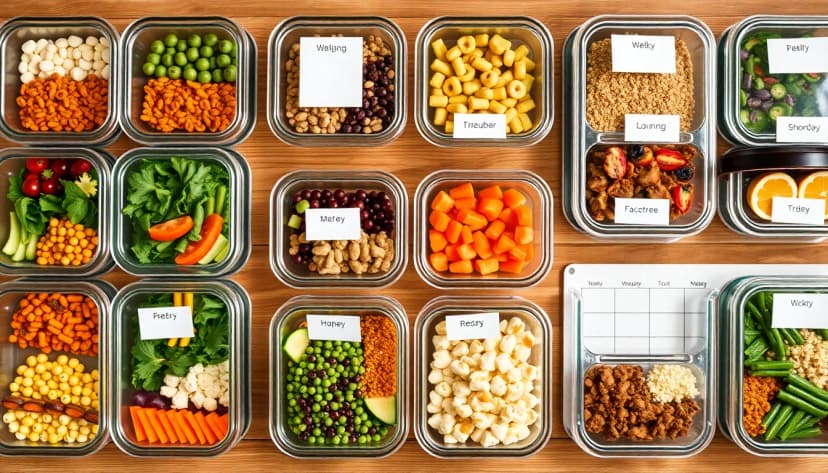
Affordable Meal Prep Ingredients in Vancouver
Cheapest meal prep ingredients in Vancouver for 2026. Where to buy rice, chicken, vegetables, and pa