Startup Lunch Budget Allocation: Vancouver 2026 Benchmarks
Vancouver startup lunch budgets scale directly with funding. Bootstrapped teams target $12-$14 per person using restaurant lunch specials, while Seed/Series A companies budget $15-$22 for basic catering 2-3 times weekly.
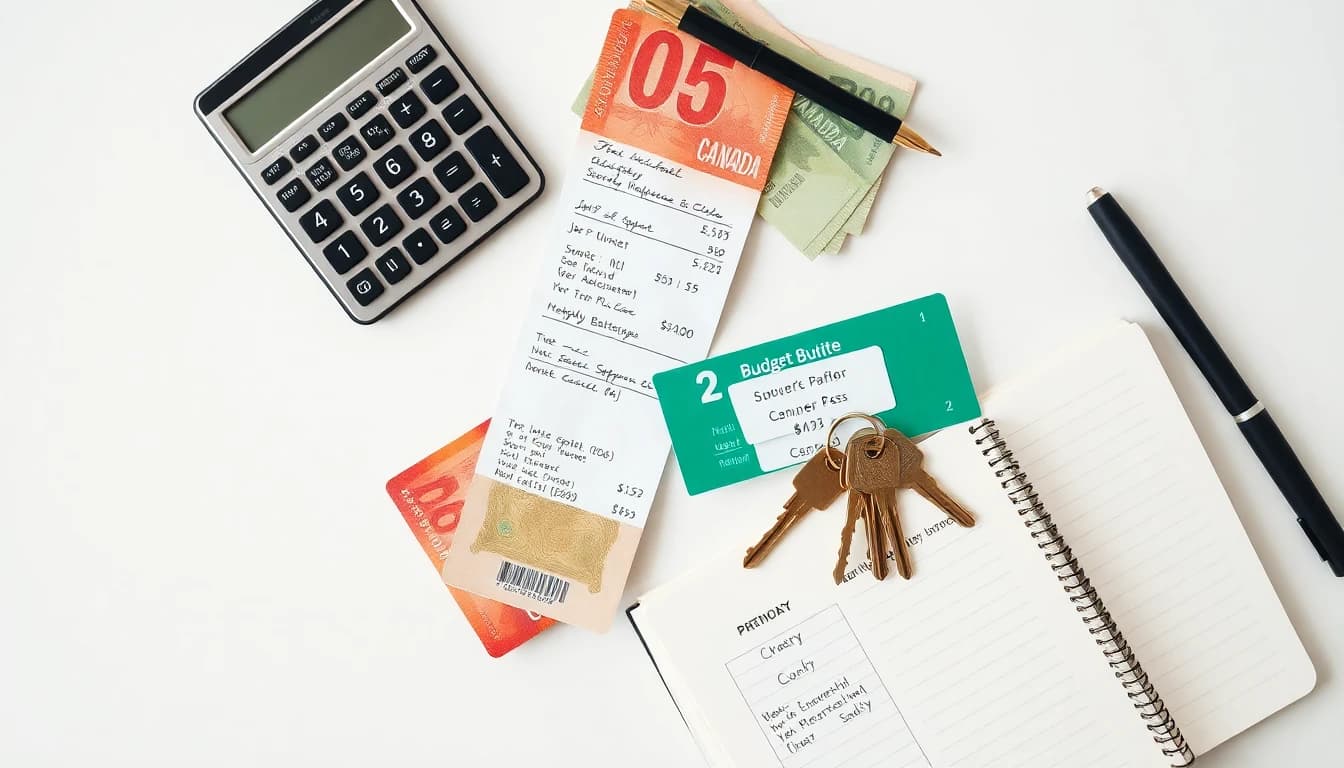
Last reviewed: April 2026. Data current as of this date.
Introduction
The average cost of a restaurant lunch in Metro Vancouver increased by 8.2% in 2025, according to Restaurants Canada data, putting significant pressure on company meal budgets[1]. For Vancouver startups, providing lunch is a key tool for attracting talent and building culture, but it must be balanced against tight operational budgets. This guide provides specific, actionable benchmarks for 2026, helping founders and operations managers make informed decisions without overspending. We will break down costs by neighborhood, funding stage, and program type, giving you a clear roadmap for your team's lunch strategy.
In Vancouver's competitive tech and startup ecosystem, a thoughtful meal program can be a differentiator. It keeps teams in the office, fosters collaboration, and shows you value employee well being. However, with the high cost of living and business operations in the city, a poorly planned budget can drain resources quickly. This guide moves beyond generic advice to offer concrete numbers, restaurant names, and program structures used by successful local companies. Whether you're bootstrapped or Series A funded, you'll find a model that fits your financial reality.
Quick Answer
Startup Lunch Budget Per Employee Vancouver
For a Vancouver startup in 2026, a realistic per-employee lunch budget ranges from $12 to $25 per meal, depending on your funding stage and program goals.
Pre-seed and bootstrapped companies often set a budget of $12-$15 per person. This targets the city's abundant "lunch special" scene. For example, you can order group sets from places like Marutama Ra-men (780 Bidwell St) where a classic ramen lunch combo is $14.50, or Pholicious in Yaletown (1146 Mainland St) where pho and a spring roll runs about $13. 99. At this level, the focus is on basic sustenance and occasional team building, perhaps once or twice a week.
Series A and growth-stage startups typically allocate $18-$25 per employee. This opens up options like high quality poke bowls from The Poke Guy (multiple locations), custom sandwich platters from Meat & Bread (370 Cambie St), or healthy meal prep boxes from services like The Storm Cafe. This budget level supports more frequent meals, often 3-5 times per week, and can include dietary accommodations like gluten free or vegan options. It's a balance between perceived value and cost control.
Vancouver Startup Funding Stages and Meal Budgets
Your lunch budget is directly tied to your company's financial runway and growth phase. A seed stage startup with 10 employees has vastly different constraints than a Series B company with 100 staff. Let's break down the expectations and practical options for each stage.
Bootstrapped & Pre-Seed: The Frugal Foodie
At this stage, every dollar counts. The goal is to provide a tangible benefit without breaking the bank. A budget of $10-$14 per person is standard. The strategy here is to use Vancouver's incredible array of affordable, high quality lunch specials. Instead of catering, you order individually from restaurants with set menus. Good options include Dinesty Dumpling House (1719 Robson St) with its $12.99 lunch combo (dumplings, rice, veg), or Hawkers Delight on Main Street (4127 Main St) for Malaysian lunch plates under $ 13. Ordering as a group often secures a slight discount or free delivery. This approach works best for teams under 15 people and is usually an occasional Friday treat, not a daily expectation.
Seed & Series A: Building Culture with Food
With some funding secured, the lunch program becomes a formal part of your employee value proposition. The per person budget increases to $15-$22. At this point, you can explore simple catering or group orders from more established spots. Virtuous Pie (583 Main St) offers whole vegan pizzas for around $18 each, feeding about two people. Freshii catering platters (bowls, wraps) often come in at $16-$19 per person. This is also the stage where some companies begin experimenting with a monthly credit system, using a platform like Gusto or a prepaid card, giving employees flexibility while controlling costs.
The frequency increases to 2-3 times per week, reinforcing a collaborative work culture.
Series B and Beyond: Scaling Sustenance
Well funded growth stage companies often implement structured meal programs with budgets of $20-$28+ per employee. This enables daily lunches, professional catering, and a strong focus on dietary diversity and nutrition. Companies might contract with a corporate meal subscription service like My Great Pumpkin for consistent, delivered lunches, or work with a roster of caterers like The Kitchen by Whole Foods or Chopped Leaf. The emphasis shifts from pure cost to employee satisfaction, health, and time savings.
These programs are a significant operational line item but are justified by the productivity and retention benefits.
Summary: Vancouver startup lunch budgets scale directly with funding. Bootstrapped teams target $12-$14 per person using restaurant lunch specials, while Seed/Series A companies budget $15-$22 for basic catering 2-3 times weekly. Series B+ firms invest $20-$28+ for daily, diverse meal programs that support productivity and retention. The key is aligning food spending with your current runway and cultural goals.
Per-Employee Cost Benchmarks and Real Vancouver Prices
Let's translate those stage based ranges into concrete menus and prices you can use today. Vancouver's food costs vary by neighborhood, and knowing where to source meals is half the battle.
The $12-$15 Budget: Noodle Bowls and Lunch Combos
This is the foundation of budget friendly group lunches. You are looking for restaurants that have dedicated, discounted lunch menus served before 3 PM. In Downtown Vancouver, Kintaro Ramen (788 Denman St) serves its famous ramen for $13.50 at lunch. In Mount Pleasant, The Union (219 Union St) has a $14.95 daily lunch special that includes an entree and soda. For Asian comfort food that fits this budget, explore our list of the Best Asian Lunch Spots in Downtown Vancouver.
Ordering 10+ meals often qualifies for a 10% discount, bringing the per unit cost down. Payment is usually via a single company card, and someone on the team must coordinate pickup.
The $16-$20 Budget: Poke, Bowls, and Enhanced Catering
With a few more dollars, quality and convenience improve. This range accesses popular fast casual spots that cater well to groups. A large poke bowl from Poke Time (1047 Denman St) with double protein is about $ 18. A hearty grain bowl from GRUB (4328 Main St) averages $ 19. For catering, Beta5 Chocolates & Creamery (413 Industrial Ave) offers savoury lunch pastry platters for around $17 per person. This budget also allows for simple dietary accommodations, like ensuring a gluten free or vegan option is included in the order. It's a sweet spot for showing you care without excessive spending.
The $21-$25+ Budget: Restaurant Quality and Full Service
At this level, you can provide meals that feel like a restaurant experience in the office. Think individual boxes from Jamjar (Commercial Drive) with Lebanese meals for $22, or gourmet sandwiches and salads from Di Beppe (8 W Cordova St) for $24 per person. This is where professional caterers shine, offering balanced meals that follow nutritional guidelines, similar to those suggested by Health Canada. You can expect better packaging, easier setup, and more reliable delivery times.
For large or recurring orders, you can often negotiate a standing 5-10% discount.
| Budget Tier | Per Person Cost (2026) | Example Meal & Vendor | Ideal Frequency | Best For Stage |
|---|---|---|---|---|
| Economy | $12 - $15 | Ramen Combo (Marutama), Pho Special (Pholicious) | 1x per week | Bootstrapped, Pre-Seed |
| Standard | $16 - $20 | Large Poke Bowl (Poke Time), Catered Sandwich Platter | 2-3x per week | Seed, Series A |
| Premium | $21 - $25+ | Restaurant Box (Jamjar), Gourmet Salad Box | Daily or 4-5x per week | Series B, Growth Stage |
Summary: Concrete 2026 benchmarks put a $12-$15 lunch at a ramen or pho shop, $16-$20 accesses quality poke or catering platters, and $21-$25+ delivers restaurant grade meals. The price directly determines meal quality, dietary accommodation, and convenience. Startups should choose a tier matching their weekly meal frequency and funding reality.
Equity vs. Cash Compensation Considerations
In Vancouver's startup scene, compensation often mixes salary, equity, and benefits. A lunch program sits squarely in the benefits category and should be evaluated as part of the total package. For an employee, a daily $22 lunch is a tangible, immediate benefit worth over $5,000 annually if provided every workday. For a founder, this is a cash expense that reduces runway. The calculation changes if you are offering below market salary supplemented with equity. In that case, a strong lunch program can soften the lower cash compensation and improve daily morale.
It's a visible demonstration that you are investing in the team, even if the bank balance is tight.
Conversely, if you are paying competitive market salaries (which are high in Vancouver), a lavish daily lunch program might be less critical. You could opt for a more modest, culturally focused meal once a week, like trying a new restaurant from the Destination Vancouver restaurant guide, and allocate the saved cash elsewhere. The decision hinges on your overall compensation philosophy. Is food a core part of your culture, or is it a nice to have? Answering this will guide your budget.
Remember, all these expenses are fully tax deductible as a business meal, which can provide some relief. Use our free income tax calculator to understand your overall corporate tax position. transparency is key. Employees understand the constraints of an early stage company. Being open about the budget, "We have $15 per person for Friday lunches," and then delivering consistently good food within that constraint, builds more trust than sporadic, expensive meals that hint at financial mismanagement. It turns a cost center into a culture building ritual.
Summary: A lunch program is a non cash benefit that complements salary and equity. For startups offering below market pay, a consistent $5,000 annual meal value boosts total compensation. For those paying top salaries, a modest weekly meal may suffice. The choice should align with your overall compensation strategy and be communicated transparently to the team.
Scaling Meal Programs with Funding Rounds
Your lunch strategy should evolve with your company. A static program will either become too costly or fail to meet growing team needs. Here’s how to plan for scale.
From Ad-Hoc to Systematized
Early on, lunch is often coordinated by an office manager or a rotating team member using their personal credit card for reimbursement. This becomes unsustainable past 15-20 employees. The first scaling step is to implement a system. This could be a dedicated company credit card for meals, a monthly allowance on a platform like Gusto, or a standing account with a few favorite restaurants. Systemization reduces administrative overhead and clarifies the budget. For example, setting a $400 weekly cap for a 20 person team immediately defines your $20 per person framework.
Managing Diversity and Dietary Needs
As your team grows, so do dietary restrictions (vegan, gluten free, halal, allergies). A lunch program that only orders pizza will alienate part of your team. Scaling successfully means building a roster of vendors that can accommodate common needs. Vancouver is excellent for this. For vegan options, MeeT in Yaletown (1165 Mainland St) has great group options. For gluten free, The Gluten Free Epicurean (1007 Denman St) does catering. Incorporate these needs into your standard ordering protocol.
This planning is important for inclusion and mirrors public health guidance on inclusive nutrition from the BC CDC.
Partnering with Caterers and Meal Services
Beyond 50 employees, coordinating individual restaurant orders becomes a logistical nightmare. This is the time to partner with a corporate catering service or a meal prep delivery company. Services like My Great Pumpkin specialize in B2B subscriptions, offering volume discounts, simplified billing, and menu variety. For large one off events, like all hands meetings, you'll need a caterer that can handle 100+ meals. We've reviewed companies that excel at this in our guide on What Vancouver Catering Companies Handle Large Office Orders.
The per unit cost might be similar to your previous budget, but the time and stress savings are immense.
Summary: Scale your lunch program by first systematizing payment, then expanding vendor options to meet diverse dietary needs, and finally partnering with B2B meal services for teams over
- Each stage reduces administrative load while maintaining meal quality. Proactive scaling prevents the program from becoming a source of frustration as your startup grows.
Case Studies: Successful Vancouver Startup Models
Looking at real local companies provides the best blueprint. Here are anonymized but accurate models from Vancouver's tech scene.
Case Study
1: The Bootstrapped SaaS Company (12 Employees)
This company operates out of a shared space in Railtown. Their rule: lunch is provided every Friday, budget is $14 per person max. The office manager rotates between three reliable, cost effective options: Bao Down (12 Powell St) for $13 bao combos, Saj & Co. (1661 Granville St) for $14 saj wraps, and Tokyo Katsu-Sand (530 Seymour St) for $13.95 katsu sandos. They order via phone, one person picks up, and they eat together in the common area. The cost is predictable ($170 weekly), the team looks forward to it, and it requires almost no management.
They supplement this with a stocked pantry of snacks and coffee.
Case Study
2: The Series A Biotech Startup (35 Employees)
With a lab in False Creek Flats and an office team, this company has a $20 per person budget for Tuesday and Thursday lunches. They use a mix of catering and group orders. Tuesdays are often healthy meal prep boxes from a service like The Storm Cafe, aligning with their health conscious culture. Thursdays are more varied, sometimes from DownLow Chicken Shack (905 Commercial Dr) or a sushi platter from The Kitchen by Whole Foods. They have a simple Google Form where employees note dietary restrictions for the week.
The program costs about $1,400 weekly and is considered essential for cross team collaboration between lab and office staff.
Case Study
3: The Growth-Stage FinTech (110 Employees)
This company in downtown Vancouver has a full time office manager who runs a daily lunch program. The budget is approximately $25 per person. They have a contracted caterer for Monday-Wednesday, providing balanced, restaurant style meals. Thursdays are "Takeout Thursday," where teams choose from a curated list of local restaurants. Fridays are a lavish catered lunch, often from a high end spot like Per Se Social Corner or Cactus Club Cafe catering. The annual budget exceeds $600,000, but leadership views it as a direct investment in productivity, recruitment, and retention, eliminating the lunch hour errand for employees.
For teams focused on fitness, this kind of program pairs well with strategies for High-Protein Asian Meal Prep for Vancouver Gym-Goers.
Summary: Real world models show a bootstrapped team spending $14/person weekly on casual takeout, a Series A firm investing $20/person twice weekly for mixed catering, and a growth stage company budgeting $25/person daily for a full service program. The common thread is consistency and alignment with company stage and culture.
Key Takeaway
For Vancouver startups in 2026, a per employee lunch budget between $15 and $22 is the operational sweet spot for companies with funding. This range supports catering from quality fast casual restaurants 2-3 times per week, balancing employee satisfaction with cost control. Bootstrapped teams should target $12-$14 using lunch specials, while scaled companies can justify $25+ for daily programs that replace the need for employees to leave the office.
Frequently Asked Questions
What is a reasonable monthly lunch budget for a 10 person startup in Vancouver?
A reasonable monthly budget depends on frequency. For one lunch per week at $14 per person, budget about $560 per month. For two lunches per week at $18 per person, budget approximately $1,440 per month. This covers the food cost; remember to factor in taxes, delivery fees, or tips which can add 10-15%. Starting with a weekly Friday lunch is a common and manageable approach.
Are there tax benefits for providing employee lunches in BC?
Yes, the cost of meals provided to employees on your business premises is generally 50% tax deductible as a business expense. This applies to meals that are available to all employees. It's advisable to consult with an accountant to ensure your specific program meets the Canada Revenue Agency's criteria, but in general, providing lunch is a tax efficient benefit.
What are the best cheap lunch catering options in Vancouver for startups?
For budget friendly catering, consider large format orders from Uncle Fatih's Pizza (multiple locations), where a whole pizza can feed 2-3 people for under $10 per head. Freshii offers build your own bowl platters starting around $16 per person. Sushi platters from places like Fujiya (912 Clark Dr) are also cost effective for groups, with large trays priced around $40-$60 feeding 4-6 people.
How do we handle dietary restrictions with a limited lunch budget?
Focus on restaurants with inherently customizable or inclusive menus. Poke and bowl restaurants (like Poke Guy) allow individuals to choose their own ingredients. Many Vietnamese or Thai restaurants (like Pholicious) offer vegan pho or tofu options at the same price. When ordering, always get one marked gluten free or vegan meal as a baseline. Communicate with your team to understand common needs.
Should we give a lunch allowance or provide catered meals?
For small teams (under 15), a catered group meal is better for building culture. For larger or hybrid teams, a stipend or allowance (e.g. $100/month via a platform like Gusto) offers flexibility. Catered meals control costs and ensure everyone eats together, while allowances accommodate different schedules and tastes but can feel less communal.
How much do meal prep delivery services cost per employee for lunches?
B2B meal prep services like The Storm Cafe or My Great Pumpkin typically range from $11 to $18 per individually packaged meal for corporate accounts, depending on volume and menu selection. This is competitive with restaurant catering and offers consistency and nutritional balance. For a full comparison of services, see our Complete Guide to Meal Prep Services in Vancouver 2026.
What's a good way to find new lunch spots for our team?
Use a rotating "lunch champion" system where a different employee chooses the spot each week. Explore neighborhood guides, like our feature on Best Chinese Comfort Food for Vancouver's Rainy Season, for themed ideas. Also, check the "Lunch Specials" filter on delivery apps like DoorDash or Uber Eats to see discounted local offers.
References
[1] Statistics Canada, "Census Profile: Vancouver Census Metropolitan Area, 2021." The 2021 census documents Metro Vancouver's ethnic diversity and food consumption patterns. https://www12.statcan.gc.ca/census-recensement/2021/dp-pd/prof/index.cfm
[2] City of Vancouver, "Vancouver Food Strategy," 2023. The city's long-term plan for a healthy, sustainable food system. https://vancouver.ca/people-programs/vancouvers-food-strategy.aspx
[3] Destination Vancouver, "Vancouver Restaurants and Dining," 2026. Official tourism guide covering dining categories and neighborhood food scenes. https://www.destinationvancouver.com/restaurants/
[4] Daily Hive Vancouver, "Food Section," 2026. Local news coverage of Vancouver restaurant openings, closures, and food trends. https://dailyhive.com/vancouver/food
[5] Vancouver Sun, "Food and Dining," 2026. Coverage of Metro Vancouver's restaurant scene and food culture. https://vancouversun.com/tag/restaurants/
[6] Georgia Straight, "Food and Drink," 2026. Independent coverage of Vancouver's food, drink, and restaurant scene since 1967. https://www.straight.com/food
Related Articles
Late-Night Eats Vancouver: Open After 10pm, By Area (2026)
The 2026 by-area table of Vancouver late-night food: real spots open after 10pm with verified kitche
Cheap Eats Vancouver Under $15 — by Neighbourhood (2026), Every Entry a Real Dish at a Real Price
A price-verified guide to cheap eats in Metro Vancouver under $15 (2026). Every entry is a real dish
All-You-Can-Eat Korean BBQ Vancouver, BC: Prices Ranked (2026), By Neighbourhood
The complete 2026 price guide to all-you-can-eat Korean BBQ in Vancouver, BC and Metro Vancouver. AY