Richmond vs. Burnaby: How Family Dining Habits Differ in...
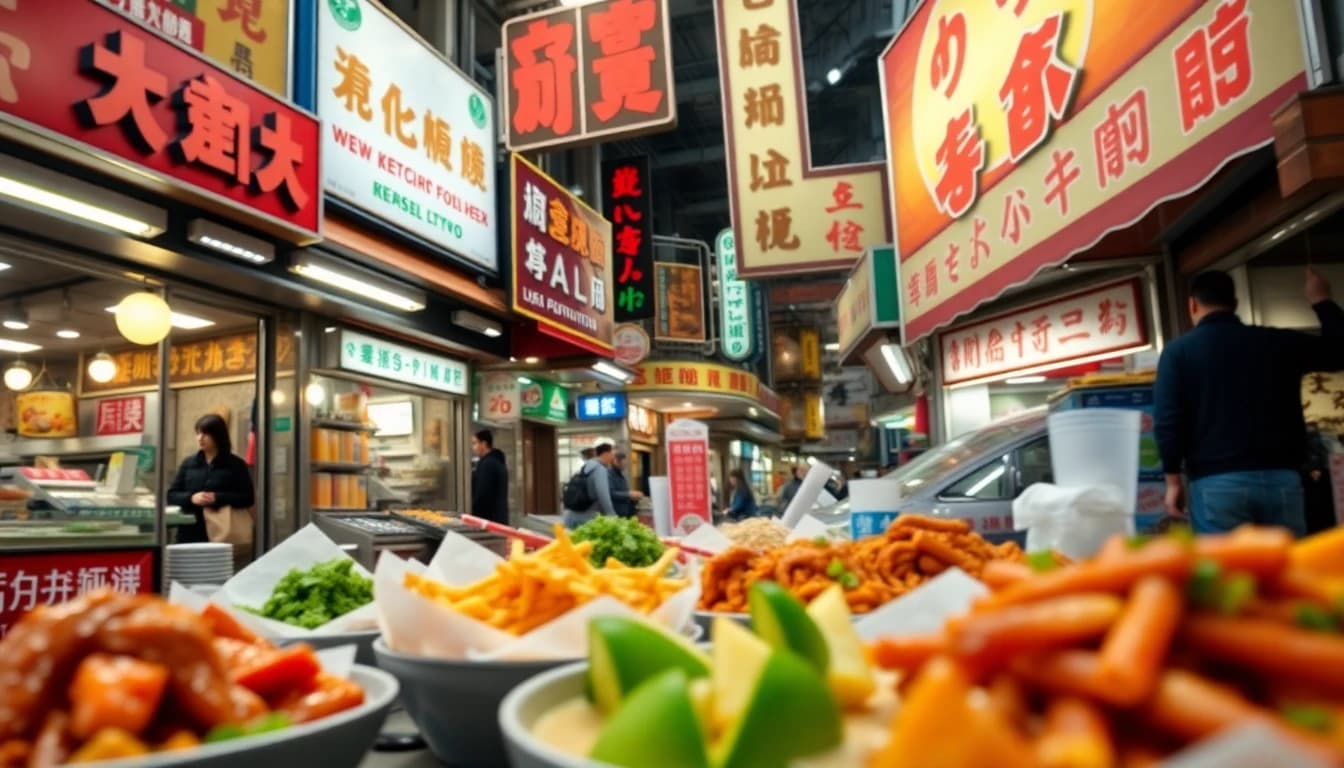
Family meal preferences in Richmond are predominantly shaped by Southern Chinese culinary traditions, emphasizing shared dishes, stir-fries, soups, and rice, with grocery trips focused on Asian supermarkets.
Last reviewed: April 2026. Data current as of this date.
Introduction
According to the latest census data, over 76% of Richmond's population identifies as a visible minority, with Chinese heritage being the largest group, while Burnaby's population is more evenly split between European and Asian ethnicities[1]. This fundamental demographic difference shapes everything from grocery shopping lists to weekend dinner plans for families across the two cities. For anyone living in or moving to Metro Vancouver, understanding these local dining cultures is key to feeling at home and finding the best food for your family table.
The question of where to eat isn't just about restaurant reviews. It's about community rhythms. A family's weekly routine, from quick Tuesday dinners to elaborate Sunday gatherings, is deeply tied to the culinary landscape of their suburb. In Richmond, that landscape is dominated by sprawling Asian malls and late-night congee spots. In Burnaby, you'll find a mix of classic North American family restaurants alongside vibrant Korean and Persian hubs. This article breaks down those habits, offering a side-by-side look at how families in these neighbouring cities approach meals, based on six years of eating my way through hundreds of local spots.
Quick Answer
Richmond vs Burnaby Family Dining Habits
Family dining in Richmond is characterized by frequent, casual meals out at Asian food courts and restaurants, with a strong focus on Cantonese and Taiwanese cuisines and weekend dim sum rituals, while Burnaby families tend to cook at home more during the week, opting for a wider variety of global cuisines when dining out, with Korean, Persian, and classic North American fare being particularly popular.
In Richmond, dining out is often an extension of the home kitchen. It's common to see multi-generational families at places like Dinesty Dumpling House (1719-4700 Mcclelland Road) for a weeknight meal, where a table of five can share eight dishes for around $ 70. The expectation is for shared plates, quick service, and reasonable prices. In Burnaby, a weeknight family dinner out might be at Hart House Restaurant (6664 Deer Lake Avenue) for a more formal, plated experience, or a quick, customizable meal at Cactus Club Cafe in Brentwood (4567 Lougheed Hwy). The average spend per person tends to be higher in Burnaby for a sit-down meal, but the cuisines are more varied.
The rhythm is different too. Richmond's weekends revolve around dim sum. Restaurants like Fisherman's Terrace Seafood Restaurant (4151 Hazelbridge Way, inside Aberdeen Centre) are packed by 11 AM with families pushing multiple carts together. In Burnaby, weekend dining is more dispersed. It could be a hike at Burnaby Mountain followed by Korean BBQ at Ssong's Hotdog & Korean Restaurant (4501 North Road, #111), or a trip to the Burnaby Village Museum capped with fish and chips from a nearby pub.
The unifying factor is that both cities offer incredible, family-friendly food diversity, but the default settings are distinct.
Cultural Influences on Family Meal Preferences
When you walk into a family home in Richmond during dinner prep, you're likely to smell ginger, garlic, and soy sauce simmering. In Burnaby, the aromas could range from gochujang (Korean chili paste) to the scent of fresh herbs in a Persian khoresh (stew). The grocery shopping lists tell the story. A Richmond family's weekly haul often includes fresh leafy greens like choy sum, live seafood from T&T Supermarket or Foody World, and specific sauces like oyster sauce and Shaoxing wine.
A Burnaby family might shop at Hannam Supermarket on North Road for Korean staples, Persian Foods on Hastings, or Fruiticana for South Asian ingredients, alongside a standard Save-On-Foods run.
This translates directly to home cooking. In Richmond, a simple weeknight meal is often a protein stir-fry, a clear soup, and steamed rice. The cuisine is largely southern Chinese (Cantonese, Fujianese), with Taiwanese influences growing. In Burnaby, the home-cooked meal has more variety. One night might be spaghetti and meatballs, the next could be bulgogi (Korean marinated beef) with rice, and another might be a hearty lentil curry. The influence of first- and second-generation immigrants from Korea, Iran, India, and the Philippines is deeply felt in home kitchens across Burnaby.
The concept of "family-style" dining also differs. In Richmond's cultural context, it almost always means shared dishes placed in the center of a round table, with everyone serving themselves. This is the standard in Chinese cuisine. In Burnaby, "family-style" at a restaurant might mean ordering a few appetizers to share, but each person still gets their own main course, reflecting a blend of European and Asian dining customs. This is evident at places like Anton's Pasta Bar (4260 Hastings Street, Burnaby), where families share garlic bread but have individual plates of pasta.
Summary: Family meal preferences in Richmond are predominantly shaped by Southern Chinese culinary traditions, emphasizing shared dishes, stir-fries, soups, and rice, with grocery trips focused on Asian supermarkets. In Burnaby, family meals reflect a broader global fusion, regularly incorporating Korean, Persian, and European home-cooked dishes, leading to more varied weekly menus. The Richmond model prioritizes collective eating from central plates, while Burnaby often blends sharing with individual mains.
Typical Weekly Meal Patterns Compared
The weekly meal calendar for a Richmond family is often punctuated by dining out. It's not seen as a luxury, but a practical part of life. A typical pattern might involve: Monday: Leftovers from Sunday's big family dinner. Tuesday: A quick, inexpensive meal out at a food court like the one in Aberdeen Centre (4151 Hazelbridge Way) or Parker Place (4380 No. 3 Road). A family of four can eat for under $40 at stalls like Parker Place's wonton noodle spots. Wednesday: Home-cooked meal, often simple. Thursday: Another casual dinner out, perhaps at a Taiwanese cafe like Bubble Queen (101-4940 No. 3 Road) for beef noodle soup and popcorn chicken. Friday: May be a stay-in night or an order of takeout Chinese BBQ from HK BBQ Master (4651 No. 3 Road). Saturday: Errands and shopping, with lunch grabbed at a mall. Sunday: The anchor, dim sum lunch or a large multi-dish dinner at a round table restaurant.
For a Burnaby family, the week often centers more on home cooking, with dining out reserved for specific occasions or weekends. Monday to Thursday: Primarily home-cooked meals. These might include pre-planned meals, use of a slow cooker, or quick pasta dishes. The influence of meal prep is stronger here. Friday: This is the common "dinner out" or "takeout night." It might be pizza from Rocky Mountain Flatbread Co. (1876 Fir Street, Burnaby), sushi from a local strip mall spot, or Korean fried chicken from BBQ Chicken on North Road. Saturday: Family activity day, with lunch out (e.g. after swimming at Bonsor Recreation Complex) and often dinner at home. Sunday: Could be a family brunch at a spot like Hart House Restaurant or a classic roast dinner at home.
The role of school lunches further highlights the difference. In Richmond, it's common to see thermoses filled with leftover rice and dishes from the night before, or parents making quick runs to nearby bakeries for buns and pastries in the morning. In Burnaby, while leftovers are also used, there's a noticeable presence of "Western" lunchbox items like sandwiches, wraps, and yogurt tubes, alongside Korean kimbap or Filipino lumpia, reflecting the diverse student body.
| Weekly Meal Habit | Richmond Pattern | Burnaby Pattern |
|---|---|---|
| Primary Weeknight Dinner Out | Tuesday or Thursday | Friday |
| Typical Cuisine for Casual Meal Out | Cantonese, Taiwanese, Hong Kong Cafe | Korean, Pizza, Sushi, Pub Food |
| Average Spend for Family of 4 (Casual) | $40 - $60 | $60 - $90 |
| Sunday Tradition | Dim Sum Lunch or Large Chinese Dinner | Family Brunch or Home-Cooked Roast |
| School Lunch Influence | Leftover rice dishes, Asian bakery items | Sandwiches, wraps, diverse global leftovers |
Summary: Richmond families dine out more frequently during the week, often for casual, affordable Asian meals at food courts or cafes, treating it as routine. Burnaby families typically cook at home Monday-Thursday, designating Friday as the primary dine-out or takeout night, often for celebratory meals like pizza or Korean BBQ. The Sunday ritual in Richmond is dim sum, while in Burnaby it's more likely a relaxed brunch or a traditional home-cooked dinner.
Popular Cuisines in Each Community
Richmond's restaurant scene is a deep, specialized dive into Asian cuisines. For families, the most popular are: Cantonese Seafood: The go-to for celebrations. Restaurants like Sea Harbour Seafood Restaurant (3711 No. 3 Road) and Kirin Restaurant (multiple locations) are where birthdays and graduations are held. Expect whole fish, lobster, crab, and elaborate presentation. Taiwanese: Hugely popular for everyday family meals. Dinesty Dumpling House for xiao long bao, Pearl Castle (multiple locations) for Taiwanese comfort food and bubble tea.
It's casual, reliable, and kid-friendly. Hong Kong Style Cafes (Cha Chaan Teng): The ultimate family-friendly quick-service restaurant. Lido Restaurant (4231 Hazelbridge Way) and Cafe Gloucester (5900 Minoru Blvd) serve hybrid plates of spaghetti, baked pork chop rice, and French toast at family-friendly prices, often under $15 per dish.
In Burnaby, the culinary map is a mosaic. Key family favourites include: Korean: The North Road corridor is Burnaby's Koreatown. Family dinners here mean BBQ grills at the table at places like Ssong's Hotdog & Korean Restaurant or Sura (6375 Lougheed Hwy), where a meal for four with banchan (side dishes) runs $80-$ 120. It's interactive and communal. Persian/Iranian: A significant community has made Persian cuisine a family staple. Cazba Restaurant (1833 Fourth Street, Burnaby) offers large platters of kebabs, rice (tahdig is a must), and stews perfect for sharing. Classic "Family Restaurants": Chains like White Spot, Cactus Club Cafe, and Earls have strong footholds in Burnaby neighborhoods like Brentwood and Metrotown. They are default choices for many families due to consistent kids' menus and a familiar atmosphere.
Both cities share a love for sushi, but the styles differ. Richmond has a high concentration of affordable, conveyor-belt style sushi (Sushi Garden on Buswell Street is an institution) and new Japanese-izakayas. Burnaby also has great sushi, but you'll find more Korean-run sushi spots offering aburi (flame-seared) styles and combo meals. For families with dietary restrictions, both cities offer options, but navigating them requires local knowledge. For a detailed guide on one specific need, see our article on Gluten-Free Asian Dining in Vancouver.
Summary: Popular family cuisines in Richmond are dominated by Cantonese seafood for celebrations, Taiwanese for casual meals, and Hong Kong cafes for affordability. In Burnaby, Korean BBQ and Persian kebab platters are top choices for shared dining, alongside enduringly popular North American family restaurant chains. While both enjoy sushi, Richmond focuses on value and tradition, whereas Burnaby often features Korean-influenced aburi styles.
How School Schedules Affect Dinner Timing
The 3 PM school bell rings, and the after-school snack culture immediately highlights a difference. In Richmond, it's common for grandparents or parents to pick up kids and head directly to a Chinese bakery (Saint Germain Bakery, Maxim's) for a pineapple bun or egg tart, or to a bubble tea shop. This often pushes dinner later, as the snack is substantial. In Burnaby, the after-school stop might be a coffee shop for a muffin, a playground, or a direct trip home. Dinner timing is thus more aligned with a standard 6:00-6:30 PM schedule.
Extracurricular activities heavily influence weeknight dinners. In both cities, hockey practice, music lessons, and tutoring create the "rush hour" dilemma. Richmond families navigating this often rely on the unparalleled density of quick, takeout options. Picking up a box of siu mei (Chinese BBQ) from HK BBQ Master, a rice plate from No. 1 Beef Noodle King (8100 Ackroyd Road), or even a whole pre-cooked Hainanese chicken from a supermarket is a standard strategy. The meal happens whenever everyone is home, sometimes as late as 8 PM, and is often eaten in shifts.
In Burnaby, the strategy for busy activity nights often involves more pre-planning. Using a slow cooker, ordering a pizza delivery, or subscribing to a weekly meal kit service is common. There's also a higher reliance on the prepared foods sections at supermarkets like Save-On-Foods or Whole Foods at Metrotown. The timing might be slightly earlier, or the meal might be intentionally simpler, think breakfast for dinner, or pasta. For families considering meal delivery to manage these chaotic nights, services like thestormcafe.com can be a helpful solution for prepared, ready-to-eat meals.
The prevalence of late-night dining in Richmond also affects families with older children or teens. It's not unusual for a family to go out for congee or noodles at 9 PM after an event, at spots like Congee Noodle House (1410-4380 No. 3 Road). In Burnaby, while some Korean restaurants are open late, the culture of late-night family dining is less pronounced, reinforcing an earlier daily eating schedule.
Summary: School and activity schedules in Richmond lead to later, more flexible family dinner times (often 7-8 PM), supported by abundant late-night takeout and casual dining options. Burnaby families, with a similar activity load, tend to aim for earlier dinners (6-7 PM) through more meal pre-planning, use of slow cookers, and reliance on supermarket prepared meals or pizza delivery.
Weekend Family Dining Traditions
Saturday in Richmond is for shopping and eating. A classic family day involves a trip to Aberdeen Centre or Lansdowne Centre. Lunch is inherently part of the trip, solved by the mall's food court or a sit-down restaurant within it. This is less about a leisurely meal and more about fuel for shopping. In Burnaby, Saturday is often for outdoor activities: a walk around Burnaby Lake, soccer games at Confederation Park, or a visit to Deer Lake. Dining is tied to the activity, a post-hike lunch at Hart House Restaurant near Deer Lake, or hot dogs and snacks from a concession stand.
Sunday, however, is where the traditions diverge most sharply. In Richmond, Sunday Dim Sum is a non-negotiable cultural institution for many families. It's a loud, bustling, multi-generational affair. Restaurants like Fisherman's Terrace or Empire Seafood Restaurant (5951 No. 3 Road, #200) don't take reservations for small groups, so families queue up. The meal is a prolonged event of tea, small plates, and conversation, often lasting two hours. It serves as the primary weekly family gathering.
For a full guide to navigating these bustling culinary hubs, check out our Richmond Food Court Guide: Aberdeen and Crystal Mall.
In Burnaby, Sunday is more varied. For some, it's family brunch at a restaurant with a kids' menu. Others use Sunday as the day for a home-cooked "special" dinner, like a roast chicken or a big pot of spaghetti sauce. There's also a strong tradition of visiting grandparents' house for dinner, where the cuisine might reflect the family's heritage, be it Italian, Filipino, or Sikh. The "Sunday dinner" concept exists but isn't tied to a specific cuisine or restaurant style like dim sum is in Richmond.
Weekend breakfast also differs. Richmond families might go for youtiao (fried dough sticks) and soy milk from a Chinese breakfast shop, or have a late yum cha (dim sum) that doubles as brunch. Burnaby families are more likely to go for a classic pancake breakfast at a diner like The Red Wagon Cafe (2296 East Hastings) (just over the Vancouver border but popular with Burnaby residents) or cook a big breakfast at home.
Summary: The core weekend family dining tradition in Richmond is Sunday dim sum, a lengthy, ritualistic meal at a bustling Chinese restaurant. In Burnaby, weekend dining is more activity-based (post-hike, post-game) and Sunday meals are more varied, encompassing family brunches, home-cooked feasts, or multi-generational dinners at a relative's home, without a single unifying culinary tradition.
Holiday and Celebration Meal Differences
Chinese New Year is the super bowl of family dining in Richmond. It's not a single meal but a series of feasts. Families book tables months in advance at top-tier Cantonese restaurants like Sun Sui Wah Seafood Restaurant (4940 No. 3 Road) for reunion dinners. Set menus costing hundreds of dollars feature symbolic dishes like whole fish (for abundance), oysters (for good fortune), and nian gao (sticky rice cake). The restaurants are decorated, and the noise level is exhilarating. It's the most important family dining event of the year.
In Burnaby, the year's biggest family meal is more likely to be Christmas Dinner or Thanksgiving. These are typically home-centric events, though some families opt for restaurant buffets like those offered by The Hilton Vancouver Metrotown or Delta Hotels by Marriott Burnaby Conference Centre. The cuisine is traditionally North American: roast turkey, ham, mashed potatoes, and pie. For other cultural celebrations, like Korean Thanksgiving (Chuseok) or Persian New Year (Nowruz), Burnaby families will host elaborate home meals or book private rooms at community-favourite restaurants like Sura (Korean) or Cazba (Persian).
Birthdays highlight another contrast. A child's birthday in a Richmond family might be celebrated at a restaurant like The Buffet at The River Rock Casino (known for its vast selection) or a private room at a Chinese restaurant with a set menu for guests. In Burnaby, kids' birthdays often involve party rooms at recreation centers, pizza, and cake, or at venues like Castle Fun Park in nearby Abbotsford. Adult birthdays might be celebrated at a steakhouse like Hy's Encore or a trendy tapas place.
For other milestones like graduations, Richmond families overwhelmingly choose a Chinese banquet. Burnaby families have a wider range: a nice dinner at Joe Fortes Seafood & Chop House in Vancouver, a BBQ party at home, or a catered event. This speaks to the broader range of accepted "celebration cuisine" in Burnaby's more multicultural mix.
Summary: Richmond's definitive celebration meal is the Chinese New Year banquet, a lavish, symbolic, and restaurant-based event central to family identity. Burnaby's major family dining celebrations are more often tied to Western holidays like Christmas, frequently home-cooked, or are culturally specific events like Nowruz or Chuseok that reflect its diverse population, with birthdays often leaning toward casual, activity-focused parties.
What Both Communities Want in Meal Delivery
Despite their differences, families in Richmond and Burnaby share common demands when it comes to meal delivery: convenience, quality, and family-sized portions. However, their preferences within that framework diverge. In Richmond, the bar for Asian food delivery is exceptionally high. Families aren't looking for a generic sweet and sour pork; they want the specific taste of their favourite restaurant's clay pot rice or wonton noodle soup. This is why platforms like Fantuan and Chowbus thrive, they specialize in connecting customers with authentic Asian restaurants that may not be on Uber Eats.
The order is often for a complete, multi-dish meal to feed 4-6 people.
In Burnaby, meal delivery preferences are more aligned with the broader North American market, but with a strong multicultural twist. There's high demand for Korean fried chicken delivery from chains like BBQ Chicken, sushi platters for family nights, and pizza. There's also a growing market for healthy, prepared meal kits that help with weekly planning. Services that offer a variety of global cuisines in one place, like DoorDash or SkipTheDishes, see heavy use.
Both communities are increasingly conscious of nutritional guidelines, especially for growing children. Parents check for vegetable content, lean proteins, and limit overly fried foods. Resources like Health Canada's food nutrition guidelines provide a benchmark for many families[2]. The desire for bento-box style meals that are balanced and visually appealing for kids is rising in both cities. For those specifically seeking this format, we've ranked the top options in our guide to the Best Bento Box Delivery in Richmond BC.
A key logistical difference is delivery density and speed. In Richmond, the high concentration of restaurants in central areas like Alexandra Road ("Food Street") means lightning-fast delivery times, sometimes under 20 minutes. In Burnaby's more spread-out neighborhoods, delivery times can be longer, making meal subscription services that arrive weekly, or pick-up orders, more appealing for some. For corporate families, services like mygreatpumpkin.com that handle office lunches can also simplify the workday meal puzzle.
Summary: Both Richmond and Burnaby families value convenient, high-quality meal delivery, but Richmond prioritizes authentic, multi-dish Asian meals from specialist platforms, while Burnaby orders a wider mix including Korean fried chicken, sushi, pizza, and healthy meal kits from mainstream apps. Delivery is faster in dense Richmond, leading to more spontaneous orders, while Burnaby's geography sometimes favors planned pickups or subscriptions.
Key Takeaway
Family dining in Richmond is deeply integrated into a Chinese culinary ecosystem, where frequent, casual meals out at authentic Asian restaurants and the sacred Sunday dim sum ritual are standard. In Burnaby, family eating habits reflect a global fusion, with more weekday home cooking, a wider variety of cuisines when dining out, especially Korean and Persian, and weekend meals tied to activities rather than a single culinary tradition. Both offer incredible family-friendly food scenes, but Richmond's is intensely focused, while Burnaby's is broadly diverse.
Frequently Asked Questions
Where do families with young kids typically eat out in Richmond vs. Burnaby?
In Richmond, families with young kids frequent Hong Kong-style cafes (like Lido Restaurant) for their fast service, affordable kids' combo meals (often under $10), and familiar hybrid dishes. Food courts at Aberdeen Centre are also popular for their casual, no-pressure environment. In Burnaby, chains like White Spot with its famous "Pirate Pak" kids' meal are a major draw. Interactive spots like Korean BBQ restaurants (e.g. Ssong's on North Road) also engage children, and community pubs with family sections are common weekend choices.
Is grocery shopping more expensive for family meals in Richmond or Burnaby?
It depends on what you buy. In Richmond, shopping at Asian supermarkets like T&T or Foody World for fresh produce, seafood, and Asian staples can be cost-effective, especially for ingredients used in daily Chinese cooking. In Burnaby, if you're buying ingredients for a wide range of global cuisines, you may shop at several specialty stores, which can add up. However, standard grocery items at chains like Save-On-Foods are priced similarly in both cities. Overall, a family cooking primarily Asian meals may find their grocery bill slightly lower in Richmond due to competitive pricing and volume at Asian markets.
How do family dining budgets generally compare between the two cities?
For casual, everyday family meals out, Richmond tends to be less expensive. A filling meal for four at a food court or Taiwanese cafe can be $40-$ 60. A similar sit-down meal at a family restaurant in Burnaby (like Cactus Club Cafe) often starts at $60-$90 before drinks. However, for high-end celebration dining (e.g. Cantonese seafood vs. a steakhouse), prices can be comparable and steep in both locations. The difference is in the baseline cost of casual dining, which is lower in Richmond.
Which city has better options for large family group dining (10+ people)?
Richmond is structurally designed for large family groups. Most Chinese restaurants have large round tables (Lazy Susans are standard) and private rooms. Calling to book a table for 12 at a place like Kirin Restaurant is routine. In Burnaby, accommodating a group that size often requires more planning, booking a private room at a hotel restaurant or a banquet hall, or going to a Korean BBQ spot that can push tables together. Richmond's restaurant infrastructure naturally supports big, multi-generational family meals.
Are there differences in how families handle dietary restrictions (vegetarian, allergies)?
Yes. In Richmond, vegetarianism aligned with Buddhist traditions is well-understood, and many Chinese restaurants offer vegetarian set menus. Communicating severe allergies (like peanuts) can be more challenging due to language barriers and shared kitchen equipment. In Burnaby, with its exposure to broader North American dining norms, restaurants are generally more accustomed to flagging allergens on menus and accommodating requests. Both cities have improving options, but Burnaby's mainstream family restaurants often have more structured protocols.
What is a typical "weeknight takeout" order for a family in each city?
In Richmond: A whole soy-sauce chicken and roast pork from HK BBQ Master, plus a order of stir-fried greens from a nearby restaurant. In Burnaby: A large pepperoni pizza from a local chain, or a "Family Meal" deal of Korean fried chicken with sides from BBQ Chicken, or a sushi combo platter for 4 from a neighbourhood Japanese spot.
How does public transit access affect family dining choices in Richmond vs. Burnaby?
Richmond's dining hubs are concentrated along the Canada Line SkyTrain route (Aberdeen, Lansdowne, Brighouse stations), making it easy for families, especially with teens, to access restaurants without a car. In Burnaby, key food corridors like North Road (Korean) or Hastings Street are less centrally served by rapid transit, relying more on buses. This makes car travel more integral to family dining in Burnaby. Checking TransLink transit information is important for planning trips in both cities[3].
References
[1] TransLink, "SkyTrain and Bus Network," 2026. Metro Vancouver public transit routes connecting food neighborhoods across the region. https://www.translink.ca/
[2] Tourism Richmond, "Richmond Dining Guide," 2026. Official guide to Richmond's Asian restaurant scene and food courts. https://www.visitrichmondbc.com/eat-drink/
[3] Richmond Night Market, "Official Website," 2026. Seasonal night market information including dates, vendors, and food stalls. https://richmondnightmarket.com/
[4] Destination Vancouver, "Vancouver Restaurants and Dining," 2026. Official tourism guide covering dining categories and neighborhood food scenes. https://www.destinationvancouver.com/restaurants/
[5] Vancouver Sun, "Food and Dining," 2026. Coverage of Metro Vancouver's restaurant scene and food culture. https://vancouversun.com/tag/restaurants/
Related Articles
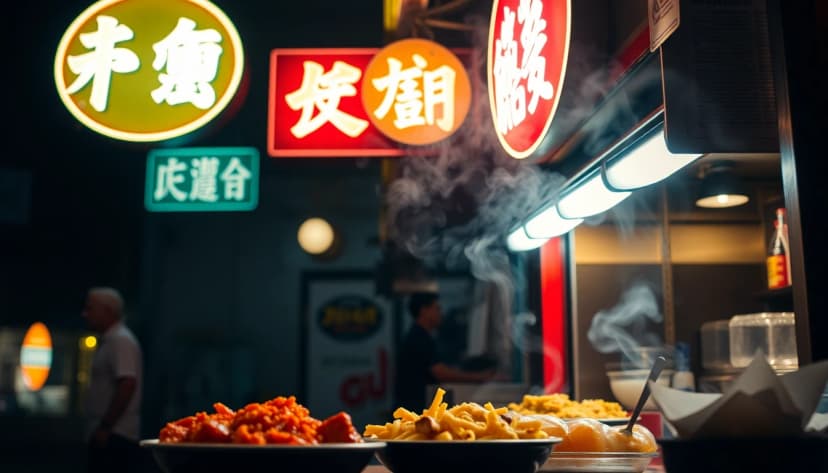
Late-Night Eats Vancouver: Open After 10pm, By Area (2026)
The 2026 by-area table of Vancouver late-night food: real spots open after 10pm with verified kitche
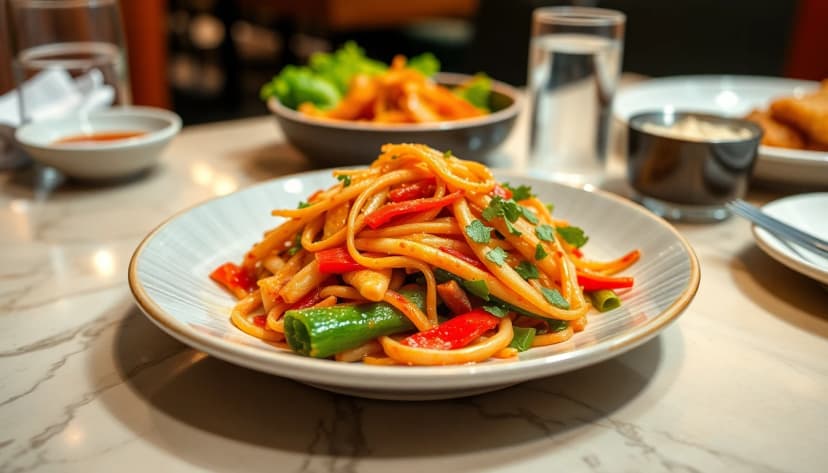
Cheap Eats Vancouver Under $15 — by Neighbourhood (2026), Every Entry a Real Dish at a Real Price
A price-verified guide to cheap eats in Metro Vancouver under $15 (2026). Every entry is a real dish
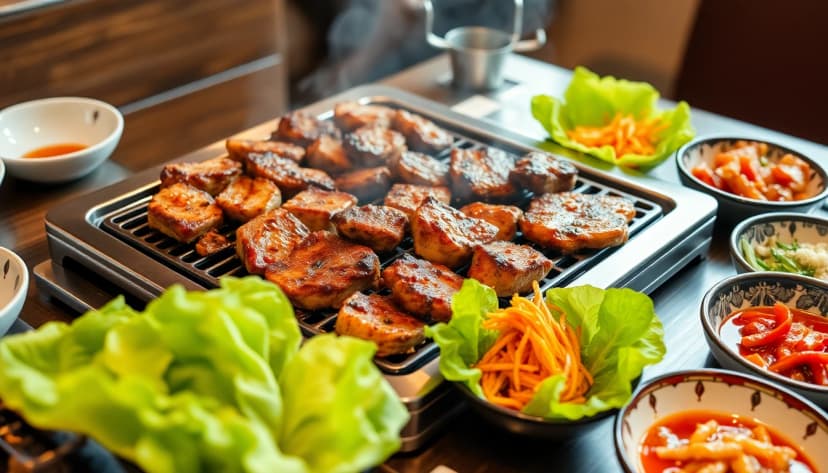
All-You-Can-Eat Korean BBQ Vancouver, BC: Prices Ranked (2026), By Neighbourhood
The complete 2026 price guide to all-you-can-eat Korean BBQ in Vancouver, BC and Metro Vancouver. AY