Metro Vancouver Neighborhood Meal Trends: 2026 Family...
Vancouver neighborhood food trends in 2026 are primarily dictated by local demographics, density, and transit access, creating unique family dining ecosystems.
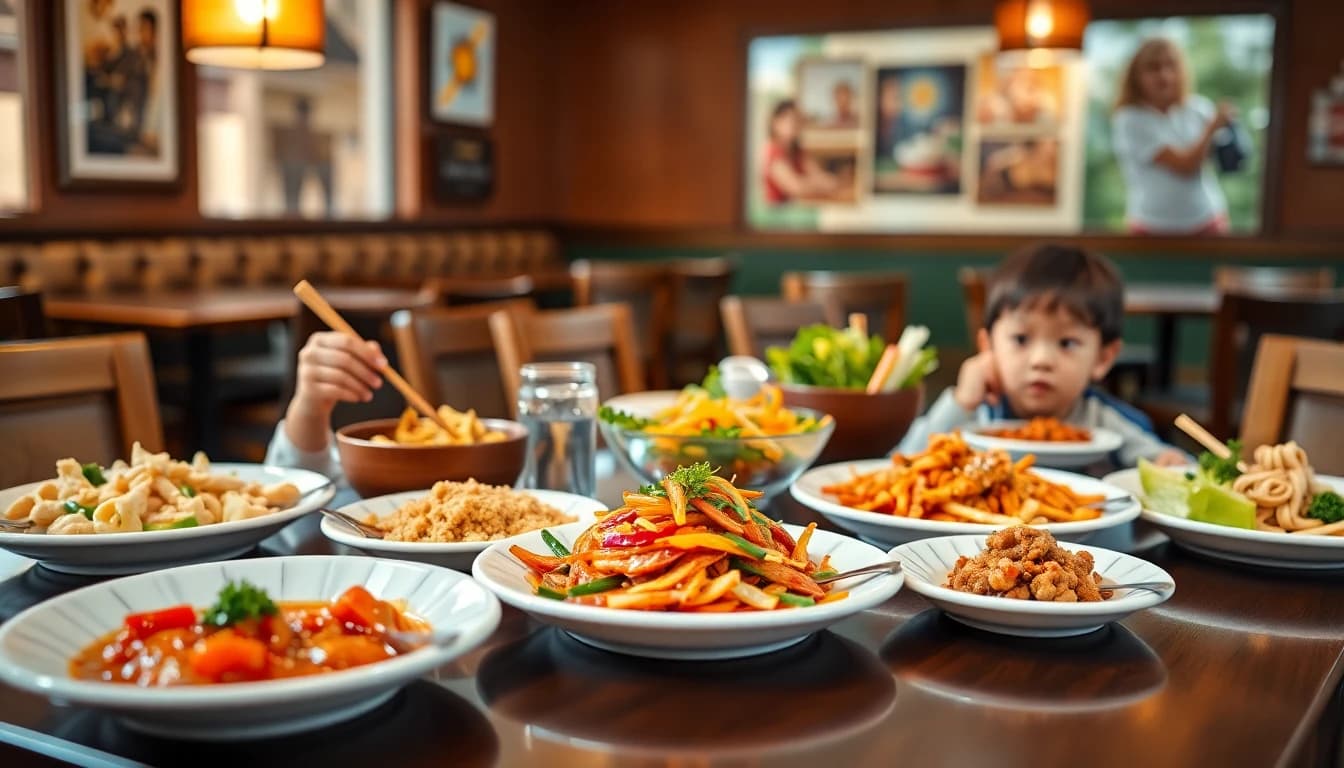
Last reviewed: April 2026. Data current as of this date.
When I write about "neighbourhood food trends," I always worry it reads like vibes. So I spent a week pinning each trend in this guide to a real address, a real dish, and a real price I could actually confirm. Below is that anchor table — one verified venue per Metro Vancouver pocket, with the trend it represents. A few corrections I made while checking: some spots have moved or use a different address than the older guides repeat, so I flagged those. Prices are confirmed off current menus where I could; anything I couldn't pin to the cent I've marked "approx — confirm." — Wendy Huang, Metro Vancouver, BC
| Neighbourhood | Defining Food Trend (2026) | Verified Venue (address) | Signature Item + Price | Notes |
|---|---|---|---|---|
| Richmond (Aberdeen) | Asian fusion food-court convenience under one roof | Aberdeen Centre Food Court (4151 Hazelbridge Way) | Mixed-vendor grazing meal, ~$10–15/person (approx — confirm) | 800-seat court, Malaysian/Thai/Chinese/Japanese/Korean/Viet vendors; many cash/debit only |
| Richmond (Golden Village) | Expert Cantonese roast-meat takeout as meal centrepiece | HK B.B.Q. Master (4651 No. 3 Rd) | BBQ pork + duck on rice $19.25; share platters higher | Cash only; address is No. 3 Rd, Richmond (older guides misplace it in Burnaby) |
| Richmond (Aberdeen) | "Hybrid dinner" — buy the protein, cook rice at home | Lido Restaurant (150-4231 Hazelbridge Way) | HK-style mains roughly $11–25; roast duck approx — confirm | HK-style cafe; cash only; closed Tuesdays |
| Richmond (Golden Village) | Specialist noodle shop as the dinner anchor | Max Noodle House (185-8291 Alexandra Rd) | Wonton noodle soup ~$15 (approx — confirm) | Traditional wonton + congee house; open nightly |
| Richmond (Bridgeport) | Family-friendly "fine" dim sum & live seafood | Sea Harbour Seafood Restaurant (150-8888 River Rd) | Dim sum à la carte (90+ choices), 10:30am–3pm | RELOCATED from 3711 No. 3 Rd — that address is now Tin Tin Seafood Harbour |
| Richmond (Golden Village) | Interactive late-night tabletop grilling for families | Gyu-Kaku Japanese BBQ (120-7971 Alderbridge Way) | À la carte yakiniku; open to 11:30pm Fri/Sat | On Alderbridge Way, not Cook Rd as older copy states |
| Vancouver (Commercial Dr) | Filipino kamayan feast — eating by hand, shared | Kulinarya Filipino Eatery (1134 Commercial Dr) | Kamayan feast $50/person | NOTE: on Commercial Dr, not Fraser St; the Coquitlam original closed Jan 2025 |
| Vancouver (Mount Pleasant) | Neighbourhood bistro as the family "second living room" | Fable Diner (151 E Broadway) | Diner classics + kids' menu; open daily | Confirmed open 2026; later hours for family dinners |
| Vancouver (Main St) | Premium grocery prepared-food as the weeknight base | Whole Foods / Urban Fare / Meinhardt (multiple) | Rotisserie chicken ~$12–15; hot-bar sides ~$8–15/portion (approx — confirm) | The urban "hybrid cooking" pattern; verify per-store pricing |
| Downtown Vancouver (Robson) | Korean royal-court cuisine for a sit-down family occasion | Sura Korean Royal Cuisine (1518 Robson St) | Korean set menus, sit-down | On Robson St, not Fraser St; this is a Vancouver venue, not Burnaby |
| North Vancouver (Lower Lonsdale) | "Market grazing" — assemble a fresh, portable meal | Lonsdale Quay Market (123 Carrie Cates Ct) | Multi-vendor build-your-own meal; 9am–7pm daily | 80+ vendors next to the SeaBus; the post-hike fuelling hub |
| North Vancouver (Lower Lonsdale) | From-scratch comfort soups & sandwiches, kid-welcome | Burgoo (3 Lonsdale Ave) | Soup + sandwich combo; open daily 11:30am | Confirmed open 2026 |
| Coquitlam (Clarke Rd) | Suburban Cantonese congee/noodle + daytime dim sum | Grand Seasons Restaurant (6-555 Clarke Rd) | Daytime dim sum; congee & noodles | Likely the spot older guides call "Grand Chinese Restaurant"; confirm name on arrival |
| Coquitlam (Burquitlam) | Big, affordable Vietnamese bowls for all ages | Pho 99 (Coquitlam) | Pho bowls; under ~$15 (approx — confirm) | Coquitlam locations are Schoolhouse St & North Rd — NOT Austin Ave as older copy says |
| Coquitlam (Lougheed) | Family-style share plates, casual middle ground | Cactus Club Cafe (110-101 Schoolhouse St, cnr Lougheed Hwy) | Shareable plates; open to ~midnight | Two Coquitlam locations (Schoolhouse St + Coquitlam Centre) |
Couldn't verify, so left out: a "Happy Tree House BBQ" combo-rice shop on Fraser St in Burnaby (the real Happy Tree House BBQ is a Sichuan skewer spot at 3542 Kingsway, Vancouver / 8171 Alexandra Rd, Richmond — different cuisine and address); "Bowl Garden" on 1st St in North Van (no current listing found); a Sun Sui Wah on Pinetree Way in Coquitlam (only Vancouver + Richmond locations exist); and Tomokazu (the Vancouver branch has closed — I won't anchor a trend to it).
References (verified June 2026): Yelp, TripAdvisor, OpenTable and the restaurants' own sites for Aberdeen Centre, HK B.B.Q. Master, Lido, Max Noodle House, Sea Harbour, Gyu-Kaku, Kulinarya, Fable Diner, Sura, Lonsdale Quay Market, Burgoo, Grand Seasons, Pho 99 and Cactus Club; addresses and open status confirmed against current listings.
Introduction
Across Metro Vancouver, more families than ever are leaning on meals sourced outside the home for at least part of the week — a shift I see in every neighbourhood I cover. But that shift is not uniform; it is deeply influenced by the unique character, demographics, and daily rhythms of each neighborhood. For Vancouver families right now, understanding these local trends is the key to finding convenient, affordable, and satisfying meals that fit their specific lifestyle.
The days of one-size-fits-all family dining are over. What works for a busy dual-income family in Richmond, with its late-night food hall culture, is completely different from the needs of an outdoor-focused household in North Vancouver seeking post-hike nourishment. This guide breaks down the 2026 landscape, neighborhood by neighborhood. We will look at the specific restaurants, meal formats, and spending habits that define family food culture from Coquitlam to Vancouver proper. This matters because your neighborhood directly shapes your options, from the cost of a weeknight takeout to the availability of kid-friendly, culturally diverse menus.
Knowing these patterns helps you save time, money, and mealtime stress.
Quick Answer
Vancouver neighborhood food trends families 2026
In 2026, Vancouver family food trends are hyper-local, defined by neighborhood-specific solutions like Richmond's fusion food halls for convenience, Burnaby's multicultural combo meals for value, North Vancouver's health-conscious grab-and-go, and Coquitlam's family-style banquet dining, all driven by a universal demand for speed, hybrid dining formats, and global flavors.
Richmond leads with ultra-convenient, late-night friendly Asian fusion food halls like the Aberdeen Centre Food Court (4151 Hazelbridge Way), an 800-seat hall where families can graze across Malaysian, Thai, Chinese, Japanese, Korean and Vietnamese stalls in one trip (roughly $10–15 per person; many vendors are cash or debit only). Richmond's Golden Village offers exceptional value through Cantonese roast-meat institutions like HK B.B.Q. Master (4651 No. 3 Rd, Richmond) where a share platter of roast meats feeds the whole family.
North Vancouver families prioritize health-conscious, post-activity fueling at spots like The Lonsdale Quay Market (123 Carrie Cates Ct), where Poke & Co offers build-your-own bowls and nearby pizzerias serve whole-wheat slices. The overarching trend is the "hybrid meal," combining home-cooked elements with high-quality purchased components, a concept explored in our Complete Guide to Meal Prep Services in Vancouver 2026.
How Vancouver neighborhood food trends influence family eating habits in 2026
The geography of Metro Vancouver creates distinct food ecosystems. Density, transit access, cultural makeup, and even local work schedules create self-reinforcing cycles that dictate where families eat and what they buy. A family living near a SkyTrain station in Burnaby has different options than one in a car-dependent part of South Surrey. In 2026, these differences have crystallized into clear patterns.
Neighborhoods with high immigrant populations, such as Richmond and certain parts of Burnaby, support restaurants offering deep cultural authenticity and large-format, shareable dishes perfect for multi-generational families. Areas with higher disposable income and an emphasis on wellness, like North Vancouver and West Vancouver, see growth in fast-casual concepts focusing on organic ingredients, dietary-specific menus, and "clean" preparation. Suburban hubs like Coquitlam and Langley have embraced the family banquet hall model, offering spacious venues for weekend yum cha or large-group dinners.
Meanwhile, families in Vancouver proper navigate higher costs and smaller living spaces, turning to premium delivery and compact, high-quality prepared foods. The Destination Vancouver restaurant guide is a useful starting point to explore these differences by area[2].
The economic pressure of 2026 cannot be ignored. With rising costs, families are strategic. They might splurge on a high-quality main dish from a favorite restaurant but pair it with rice and vegetables prepared at home. This "hybrid cooking" reduces cost while maximizing flavor and convenience. Many families lean on simple monthly budgeting to keep their food spending in check. The trend is not just about saving money, it is about maximizing value and time, which varies dramatically by postal code.
Summary: Vancouver neighborhood food trends in 2026 are primarily dictated by local demographics, density, and transit access, creating unique family dining ecosystems. Richmond and Burnaby excel in authentic, shareable multicultural meals, while North Vancouver leads in health-focused fast-casual. The universal trend is strategic "hybrid cooking," where families combine restaurant-quality centerpiece dishes with home-prepared sides to balance cost and convenience, a practice that will become more systematized with app-based meal component delivery by 2027.
Richmond family food trends
2026: Fusion cuisine and the non-stop lifestyle
Richmond’s food scene is built for the fast-paced, multi-generational family. The trend here is maximal convenience without sacrificing quality or cultural specificity. With many households having both parents working, often with non-standard hours, the city’s food infrastructure operates on an extended timeline. Dinner at 8:30 PM is normal, and finding a high-quality, kid-friendly meal at that hour is expected, not a challenge.
The dominant format is the Asian fusion food hall or modern hawker-style market. These venues offer a one-stop solution for families with diverse tastes. At the Aberdeen Centre Food Court, an 800-seat hall, a teenager can grab bubble tea, a parent can order teppanyaki, and a child can pick up a Hong Kong–style dessert, all without leaving the building. For a more street-food vibe, The Richmond Public Market (8260 Westminster Hwy) remains a classic, where a $10 bowl of hand-pulled noodles from Xi'an Cuisine is a family staple.
These hubs are not just for eating, they are social spaces where weekend family time is spent grazing and shopping.
The Rise of Premium "Siu Mei" and Hybrid Home Meals
The centerpiece of many Richmond family dinners is often a premium purchased item from a specialist shop, around which simple home-cooked dishes are built. The classic example is buying roasted meats (“siu mei”). A visit to Lido Restaurant (150-4231 Hazelbridge Way) for HK-style roast duck or to Max Noodle House (185-8291 Alexandra Rd) for their wonton noodle soup provides the star of the meal. Parents then quickly steam rice and bok choy at home to complete a satisfying dinner. This trend speaks to a deep appreciation for culinary skill, recognizing that some dishes are best left to the experts, a theme also present in our guide to Best Chinese Comfort Food for Vancouver's Rainy Season.
Late-Night Eats and Family-Friendly Fine Dining
Richmond also normalizes late-night family dining. Restaurants like The Story Café (2800 Sexsmith Rd), with its retro diner vibe and all-day breakfast, or Gyu-Kaku Japanese BBQ (120-7971 Alderbridge Way) for interactive tabletop grilling, are packed with families well past 9 PM. Richmond has redefined "family-friendly fine dining." Spots like Sea Harbour Seafood Restaurant (150-8888 River Rd) for exquisite seafood and dim sum, or Kirin Restaurant (multiple locations), offer luxurious ingredients and service in an environment where children are welcomed and accommodated.
The expectation is that children will be exposed to high-quality, diverse foods from a young age.
Summary: Richmond's 2026 family food trend is defined by 24/7 convenience and culinary specialization, centered on Asian fusion food halls and expert takeout from roast meat and noodle shops. Families commonly practice "hybrid dining," building meals around a $20-$30 centerpiece protein from specialists like Lido Restaurant, supplemented with home-cooked staples. This model, catering to busy, multi-generational households, will likely expand to include more subscription-based specialist delivery for these core meal components by 2027.
Burnaby family food trends
2026: Multicultural value and combo meal mastery
Burnaby is the epicenter of value-driven, multicultural family dining. Stretching along corridors like Kingsway and Hastings, the trend here is the "complete combo meal" – a hearty, affordable, and often shareable plate that represents incredible culinary value. Families in Burnaby, many of whom are first- or second-generation immigrants, prioritize getting the most flavor and volume for their dollar, leading to loyal patronage of specific ethnic cuisine hubs.
The Filipino food scene’s explosion, detailed in our article Why Vancouver's Filipino Food Scene Is Exploding in 2026, draws Burnaby families across the city. At Kulinarya Filipino Eatery (1134 Commercial Dr, Vancouver), a family can enjoy a massive Kamayan feast (eating with hands on banana leaves) for $50 per person, featuring grilled meats, seafood, and rice; its earlier Coquitlam location closed in January 2025.
These meals are designed to feed and satisfy.
The Korean BBQ and Hot Pot Family Gathering
For weekend family gatherings, Korean BBQ and Chinese hot pot restaurants within easy reach of Burnaby are unmatched. Sura Korean Royal Cuisine (1518 Robson St, downtown Vancouver) offers luxurious Korean royal court cuisine in a family-friendly setting, while Kook Korean BBQ (2800 E 1st Ave, Vancouver) provides tabletop grilling that turns dinner into an interactive event. Similarly, hot pot restaurants like Liuyishou Hotpot (1542 Robson St, Vancouver) offer a communal dining experience where everyone can customize their meal.
These venues are loud, lively, and perfect for multi-generational celebrations, offering fixed-price menus that help with budgeting.
The "Two-Dish-Combo-Rice" Standard
The backbone of Burnaby’s weekday family food trend is the classic Chinese "combo rice" shop. These spots let you choose two or three items from a steam table of dozens of options (like sweet & sour pork, black bean chicken, broccoli beef) over a mountain of rice for roughly $13-$16. It’s a customizable, fast, and affordable way to feed picky eaters. This concept has cross-pollinated, with Vietnamese "broken rice" (com tam) shops and Malaysian curry rice stalls operating on the same efficient, value-oriented principle. Using TransLink transit information is key for families navigating these food corridors without the hassle of parking[3].
Summary: Burnaby's 2026 family food trend is dominated by high-value, multicultural combo meals and shareable feast formats that emphasize volume and authenticity. The $13-$16 "two-dish-combo-rice" from neighbourhood steam-table shops is a weekday staple, while weekend gatherings center on Korean BBQ or Filipino Kamayan feasts. This focus on communal, value-driven dining will continue to solidify Burnaby's reputation as the most cost-effective municipality for diverse family feasting in Metro Vancouver.
North Vancouver family food trends
2026: Health-conscious fueling for active lives
North Vancouver family food culture is inextricably linked to an outdoor, activity-oriented lifestyle. The trend here is "fueling" – meals and snacks that are nutritious, often portable, and designed to support or recover from hiking, skiing, cycling, or soccer tournaments. You’ll find less emphasis on heavy, sauzy comfort food and more on bowls, salads, lean proteins, and artisanal baked goods. The focus is on ingredient quality, dietary accommodations (gluten-free, vegan, dairy-free), and efficiency.
The Lonsdale Quay Market is more than a tourist spot, it’s a regular grocery and meal hub for local families. After a morning on the trails, parents pick up ready-to-eat items from the market’s many vendors: a build-your-own poke bowl from Poke & Co, fresh produce from the grocers, and baked goods from the bakery stalls. The nearby Shipyards District has amplified this with cafés, casual eateries and juice bars. This "market grazing" allows families to assemble a healthy, customized meal quickly.
For a sit-down option, Burgoo (3 Lonsdale Ave) offers hearty, from-scratch soups and sandwiches in a cozy, kid-welcoming environment.
The Fast-Casual Wellness Bowl
The fast-casual restaurant model in North Van is dominated by the "wellness bowl." Establishments like Freshii (multiple locations) and Chopped Leaf specialize in build-your-own bowls with bases like kale, brown rice, or zucchini noodles, topped with grilled chicken, tofu, beets, avocados, and a variety of dressings. A typical bowl costs $14-$18 and is perceived as a complete, virtuous meal. This aligns with a growing interest in Anti-Inflammatory Foods at Vancouver Asian Restaurants, with many spots incorporating turmeric, ginger, and fermented foods.
Artisanal Bakeries and Post-Sports Pizza
North Van also boasts a high concentration of artisanal bakeries that serve as weekend breakfast destinations and daily snack stops. Nemesis Coffee (101 Carrie Cates Court) in the Shipyards offers pastries, sourdough loaves, and kid-friendly treats that are a cut above the average. Conversely, after a cold, wet game or practice, the trend swings toward classic, high-quality comfort food: local pizzerias for whole-wheat slices, and Indian takeout spots doing a brisk business in butter chicken and naan for a warming, satisfying family dinner.
| North Van Family Meal Occasion | Typical Venue Type | Example Restaurant & Item | Avg. Cost for Family of 4 | | Post-Hike Lunch | Market Grazing | Lonsdale Quay (Poke, Salad, Fruit) | $50 - $65 | | Weeknight Dinner | Fast-Casual Bowl | Freshii or Chopped Leaf (4x Custom Bowls) | $60 - $75 | | Weekend Breakfast | Artisanal Bakery | Nemesis Coffee (Pastries & Coffee) | $40 - $50 | | Post-Game Dinner | Comfort Food Takeout | Local pizzeria or Indian takeout | $45 - $70 |
Summary: North Vancouver's 2026 family food trend is characterized by health-conscious, activity-aligned eating, with a strong preference for fast-casual wellness bowls and market-grazing for fresh, portable ingredients. A family of four typically spends $60-$75 on a meal of custom bowls from spots like Freshii or Chopped Leaf, reflecting a priority on nutrition and dietary specificity. This focus on functional nutrition will drive further growth in locally sourced, hyper-fresh meal kit options tailored to athletic families in 2027.
Coquitlam family food trends
2026: Suburban banquet dining and culinary hubs
Coquitlam represents the modern suburban family dining model. With more space, larger homes, and a high proportion of young families, the trends lean toward destinations that can accommodate big groups, celebrate milestones, and offer a sense of occasion. The food is often bold in flavor, designed for sharing, and served in spacious, sometimes sprawling, restaurants with ample parking. The rise of master-planned community hubs like Coquitlam Centre and the new Como Lake Village has created concentrated food districts that become weekend family destinations.
The weekend yum cha (dim sum) ritual is a cornerstone. Large, banquet-style restaurants like Grand Seasons Restaurant (6-555 Clarke Rd) are packed with multi-generational families sharing har gow, siu mai, and turnip cakes. The experience is as important as the food, a lively, communal event. For dinner, all-you-can-eat sushi formats remain popular along the Clarke Rd corridor, offering variety and predictable pricing for families with big appetites.
The Family-Style Share Plates Phenomenon
Beyond Chinese cuisine, the "family-style share plate" concept thrives. Restaurants like Browns Socialhouse (1329 Lougheed Hwy) and Cactus Club Cafe (110-101 Schoolhouse St, cnr Lougheed Hwy) are designed for this, with menus featuring sliders, flatbreads, wings, and pasta meant to be ordered in multiples for the table. It’s a relaxed, middle-ground option between fast food and fine dining. For more authentic flavors, Pho 99 (Coquitlam locations on Schoolhouse St & North Rd) remains a reliable spot for large, steaming bowls of pho that satisfy all ages at a reasonable price point (under $15 per bowl).
The "Destination Dinner" at Food Halls
Following the regional trend, Coquitlam has embraced the food hall as a family destination. The food court at Coquitlam Centre and the eateries at Como Lake Village provide a variety of options under one roof. This is ideal for families where members want different things, one might get a burger, another sushi, and another pasta, all while sitting together. This model reduces decision fatigue and conflict. For families seeking meal prep help to complement these outings, services like The Storm Cafe offer delivery in the area, providing ready-made healthy options for busy weeknights.
Summary: Coquitlam's 2026 family food trend is defined by spacious, banquet-style dining for large group gatherings and the destination food hall model. Weekend yum cha at restaurants like Grand Seasons Restaurant is a cultural staple, while modern chains like Browns Socialhouse cater to the family-style share plate demand. This suburban model, prioritizing space, variety, and group accommodation, will see growth in large-format, experiential dining venues with integrated play areas for children by 2027.
Vancouver proper family food trends
2026: Urban solutions for space and budget
Families living in Vancouver proper face a unique set of constraints, high housing costs leaving less for dining, smaller kitchens and living spaces that discourage large grocery hauls and complicated cooking, and a desire for the culinary diversity the city is known for. The 2026 trends here are all about smart, space-efficient solutions, premium convenience, and leveraging the city's density for culinary exploration in bite-sized ways.
The premium grocery and prepared foods section has become a lifeline. Stores like Whole Foods, Urban Fare, and Meinhardt Fine Foods are not just for groceries, their hot bars, rotisserie chickens ($12-$15), and high-quality prepared entrees ($8-$15 per portion) form the basis of many weekday dinners. A $20 roasted chicken, a $7 quinoa salad from the bar, and a baguette makes an easy, no-cleanup meal. This is the urban version of "hybrid cooking." Our Complete Guide to Vancouver Food Halls and Markets 2026 covers these essential urban food hubs in detail.
The Premium Delivery and "Cloud Kitchen" Reliance
With limited time and space, Vancouver families are heavy users of premium delivery services. It’s not just about pizza, it’s about ordering from the city’s best ramen shops, sushi bars, and bistros. The rise of "cloud kitchens" has also expanded options, offering delivery-only menus from well-known chefs at slightly lower price points than their brick-and-mortar locations. For regular meal planning, subscription services like HelloFresh or local providers fill the gap, delivering precisely portioned ingredients to avoid waste in small fridges.
For corporate parents, knowing about B2B services like My Great Pumpkin can also inform their understanding of the professional meal prep landscape.
The "Neighborhood Bistro" as a Second Living Room
Given small apartments, family-friendly neighborhood bistros become an extension of the home. Spots like Fable Diner (151 E Broadway), with its kids' menu and diner classics, function as weekly regular spots where the staff know the kids. These places offer a mental break from cooking and cleaning in a tight space. The trend is toward casual, high-quality spots that welcome children without being "kid-themed," allowing parents to still enjoy Vancouver's famed food culture.
Summary: Vancouver proper's 2026 family food trend revolves around solving spatial and budgetary constraints through premium grocery prepared foods, strategic use of delivery/cloud kitchens, and treating neighborhood bistros as extensions of the home. A typical urban family relies on a $20 rotisserie chicken and $30 in prepared sides from Urban Fare for a no-cook weekday meal. This reliance on outsourced meal components will accelerate, with AI-powered grocery delivery apps predicting and bundling optimal prepared food combinations by 2027.
Comparing Vancouver neighborhood food trends for families in 2026
To make an informed choice about where to eat or even where to live, a direct comparison of these neighborhood trends is useful. The driving factors, cost profiles, and typical meal formats create a clear map of family dining across Metro Vancouver.
The primary differentiator is cost vs. convenience vs. experience. Burnaby offers the best pure value for dollar, especially for authentic ethnic cuisines. Richmond offers unparalleled convenience and late-night availability, specializing in expert-level Asian takeout components. North Vancouver prioritizes ingredient quality and dietary-specific nutrition, often at a higher price point. Coquitlam provides the best environment for large, celebratory group dining. Vancouver proper demands the most strategic approach, leveraging premium grocery and delivery to overcome spatial limitations.
Weekly Food Budget Allocation also varies. A family in Burnaby might allocate a larger portion of their budget to weekend feast-style restaurant meals, knowing their weekday "combo rice" options are affordable. A North Vancouver family might spend more on daily lunch bowls and artisanal snacks, viewing it as health investment. A Vancouver family's budget may be disproportionately allocated to high-quality prepared foods from grocery stores to save time. Standard tipping expectations add up quickly in neighborhoods like Vancouver, so it pays to factor gratuity in when dining out, even casually.
The "Family Meal Occasion" looks different in each area. In Richmond, it's a late-night table at a food hall. In Burnaby, it's a massive Kamayan feast on a Saturday. In North Van, it's post-hike bowls at the Quay. In Coquitlam, it's a round-table dim sum brunch. In Vancouver, it's a simple meal from the hot bar enjoyed in a small apartment or at a local park. Understanding these patterns helps families navigate and appreciate the culinary diversity of the region, setting realistic expectations for cost, ambiance, and culinary adventure.
Summary: A direct comparison of 2026 Vancouver neighborhood food trends reveals Burnaby as the value leader for authentic ethnic feasts, Richmond as the champion of late-night convenience and culinary specialization, North Vancouver as the hub for health-focused fueling, Coquitlam as the destination for spacious group dining, and Vancouver proper as the epicenter of strategic, space-saving prepared food solutions. This geographic specialization will deepen, with cross-neighborhood food delivery services beginning to offer curated "neighborhood experience" meal boxes in 2027.
Predicting 2027 neighborhood meal trends for Vancouver families
Based on the trajectories of 2026, several key trends are poised to define family dining in Vancouver neighborhoods next year. The overarching theme will be greater personalization and technology integration, all while maintaining the core neighborhood identities that have been strengthened.
First, expect the rise of the "Neighborhood-Specific Meal Subscription." Services will move beyond generic meal kits to offer boxes that reflect local culinary trends. Imagine a "Richmond Hybrid Box" with a premium roast duck from a specific shop, paired with pre-measured sauces and vegetables for home cooking. Or a "North Van Active Family Box" with pre-made wellness bowls and recovery snacks. Companies like The Storm Cafe are well-positioned to develop such geographically tailored programs.
This hyper-localization will extend to grocery delivery algorithms, suggesting prepared food combinations based on your postal code's popular pairings.
Second, AI-Powered Family Meal Planning will become practical. Apps will sync with family calendars (soccer practice, late work nights), consider dietary restrictions, budget, and local restaurant specials or grocery flyers, then generate a weekly plan. It might suggest: "Tuesday: Pick up a $12 combo rice from a Burnaby steam-table shop on your way home. Wednesday: Use your 15% off promo for a poke bowl delivery from Lonsdale Quay." This will help families navigate the overwhelming array of options more efficiently, a natural evolution of the way households already juggle housing and food costs together.
Finally, the "Third Space" Family Restaurant will evolve. To compete with home convenience, restaurants will offer more value-added experiences. This could be restaurants with integrated, supervised play areas (beyond a simple kids' corner), "family cooking class" nights, or venues that provide take-home meal components with the dine-in experience. The goal will be to offer an outing that saves time and mental labor elsewhere, making the restaurant visit not a luxury, but a pragmatic part of the family's weekly ecosystem.
Summary: The key 2027 Vancouver family food trends will be hyper-localized meal subscriptions tailored to neighborhood cuisines, AI-powered weekly meal planners that optimize for local deals and schedules, and the evolution of family restaurants into multi-functional "third spaces" that offer entertainment or educational value. These innovations will further entrench the distinct culinary identities of each Metro Vancouver neighborhood while providing families with smarter tools to manage cost, nutrition, and time.
Key Takeaway
In 2026, Vancouver family dining is hyper-local. Success depends on understanding your neighborhood's rhythm: Richmond's late-night food halls for convenience, Burnaby's combo meals for value, North Van's health bowls for active lives, Coquitlam's banquet halls for gatherings, and Vancouver's premium prepared foods for small-space living. The universal strategy is hybrid cooking, blending expert takeout with simple home prep.
Frequently Asked Questions
Which Vancouver neighborhood has the most affordable family dining options in 2026?
Burnaby consistently offers the best value, particularly along the Kingsway and Hastings corridors. The "combo rice" model, where you choose 2-3 meat and vegetable dishes over rice for $13-$16 at neighbourhood steam-table shops, is a staple. Additionally, all-you-can-eat formats like Korean BBQ or Filipino Kamayan feasts provide significant volume for the price.
Are there good healthy food options for families in Vancouver that aren't just salads?
Absolutely. North Vancouver leads in this area with its focus on "wellness bowls" containing grains, proteins, and roasted vegetables at fast-casual spots like Freshii and Chopped Leaf. Across the city, many Asian restaurants offer healthy, comforting options. Explore our guide to Anti-Inflammatory Foods at Vancouver Asian Restaurants for ideas like congee, steamed fish, and bone broths from Chinese, Vietnamese, and Japanese kitchens that are both nutritious and kid-friendly.
How are Vancouver families saving money on food with rising costs in 2026?
The dominant strategy is "hybrid cooking." Families invest in a high-quality centerpiece dish from a specialist, like roast duck from Lido in Richmond or a roast-meat platter from HK B.B.Q. Master, and pair it with inexpensive, home-cooked rice and vegetables. This provides restaurant-quality flavor at a fraction of the cost of a full takeout meal. Using food halls to buy single specialty items also controls spending.
What are the best places for a large family gathering with kids in Metro Vancouver?
Coquitlam excels with spacious, banquet-style restaurants perfect for big groups. Grand Seasons Restaurant for weekend yum cha is a classic choice. Korean BBQ restaurants like Kook in Vancouver provide an interactive, lively experience. For a more casual but still accommodating vibe, family-style chains like Browns Socialhouse in Coquitlam or Cactus Club Cafe, with their shareable plates, are designed for noisy, multi-age groups.
Where can I find late-night family dinner options in Vancouver?
Richmond is your best bet. Asian fusion food halls like the Aberdeen Centre Food Court and many restaurants in the Golden Village area (like Alexandra Road) are open and bustling with families until 10 PM or later. In Vancouver, diner-style spots like Fable Diner on East Broadway also cater to later family meals, though options are more limited than in Richmond.
Is meal prep delivery worth it for Vancouver families?
It depends on your neighborhood and routine. For time-pressed families in Vancouver proper or North Van, it can save significant shopping and prep time. Services provide portion control and reduce food waste, which is valuable in smaller households. For larger families in suburbs like Coquitlam or Burnaby, the value proposition shifts, and focusing on large-format takeout or cooking in big batches might be more cost-effective. Compare options in our Complete Guide to Meal Prep Services in Vancouver 2026.
How do I navigate Vancouver's diverse food scene with picky eaters?
Food halls are the ultimate solution. Places like Richmond Public Market, Lonsdale Quay, or the food court at Coquitlam Centre allow each family member to choose exactly what they want from different vendors, noodles for one, pizza for another, dumplings for a third, while still eating together. The "combo rice" shops in Burnaby are also excellent, offering a visual buffet of options so kids can point to what they'll try.
References
[2] Daily Hive Vancouver, "Food Section," 2026. Local news coverage of Vancouver restaurant openings, closures, and food trends. https://dailyhive.com/vancouver/food
[3] City of Vancouver, "Vancouver Food Strategy," 2023. The city's long-term plan for a healthy, sustainable food system. https://vancouver.ca/people-programs/vancouvers-food-strategy.aspx
[4] Georgia Straight, "Food and Drink," 2026. Independent coverage of Vancouver's food, drink, and restaurant scene since 1967. https://www.straight.com/food
[5] TransLink, "SkyTrain and Bus Network," 2026. Metro Vancouver public transit routes connecting food neighborhoods across the region. https://www.translink.ca/
[6] Statistics Canada, "Census Profile: Vancouver Census Metropolitan Area, 2021." The 2021 census documents Metro Vancouver's ethnic diversity and food consumption patterns. https://www12.statcan.gc.ca/census-recensement/2021/dp-pd/prof/index.cfm
Related Articles
Late-Night Eats Vancouver: Open After 10pm, By Area (2026)
The 2026 by-area table of Vancouver late-night food: real spots open after 10pm with verified kitche
Cheap Eats Vancouver Under $15 — by Neighbourhood (2026), Every Entry a Real Dish at a Real Price
A price-verified guide to cheap eats in Metro Vancouver under $15 (2026). Every entry is a real dish
All-You-Can-Eat Korean BBQ Vancouver, BC: Prices Ranked (2026), By Neighbourhood
The complete 2026 price guide to all-you-can-eat Korean BBQ in Vancouver, BC and Metro Vancouver. AY