How to Order Omakase in Vancouver: Etiquette, Prices...
Omakase in Vancouver is a chef-directed sequence of appetizers, nigiri, and dessert lasting 60-90 minutes, defined by counter seating and immediate service. The local style blends traditional Edomae techniques with pristine West Coast ingredients.
Last reviewed: April 2026. Data current as of this date.
Introduction
The number of restaurants in Vancouver offering a dedicated omakase experience has grown by over 40% since 2020, reflecting a city-wide hunger for authentic, chef-driven dining[1]. For many, the term "omakase" conjures images of an exclusive, intimidating, and expensive meal. But at its heart, omakase (お任せ) means "I leave it up to you." It is the ultimate act of culinary trust, where you surrender control to the chef's expertise and seasonal sensibilities. In Vancouver, this tradition has taken root, evolving into a diverse scene that ranges from intimate eight-seat counters to more accessible introductory experiences.
For Vancouverites, exploring omakase is more than just a fancy dinner out. It's a direct connection to the city's deep appreciation for Japanese seafood and craftsmanship. We are uniquely positioned on the Pacific Rim, with access to exceptional local ingredients like spot prawns, sablefish, and uni, alongside prized imports from Japan's Toyosu Market. This guide is designed to demystify the process. We will break down exactly how to secure a reservation, what to expect during the meal, and the unspoken rules that will make you feel like a confident regular, not a nervous newcomer.
Understanding omakase etiquette also enhances your appreciation for other structured dining traditions in the city. Just as knowing how to navigate a dim sum cart improves that experience, mastering the omakase counter unlocks a new level of enjoyment. For a primer on another beloved communal dining style, check out our Beginner's Guide to Dim Sum: What to Order in Vancouver.
Quick Answer
How to Order Omakase in Vancouver
To order omakase in Vancouver, research restaurants by price tier, book exclusively by phone or online reservation system (often months in advance), arrive on time, sit at the counter, and follow key etiquette rules like eating nigiri with your hands and not adding extra soy sauce.
Start by identifying the type of experience you want. Vancouver's omakase scene splits into three clear tiers. The ultra-premium level (starting around $200 per person) includes places like Masayoshi (4376 Fraser St, Vancouver), an eight-seat counter where Chef Masayoshi Baba serves an Edomae-style omakase that requires bookings two months ahead. The premium tier ($100 to $150) is home to institutions like Sushi Bar Maumi (1226 Bute St, Vancouver) and Tetsu Sushi Bar (775 Denman St, Vancouver), offering focused nigiri experiences.
For an accessible introduction, the omakase lunch at Miku (70-200 Granville St, Vancouver) for around $65 or the $90 dinner omakase at Sushi Hil (3755 Lougheed Hwy #205, Vancouver) are excellent starting points.
Booking is almost never walk-in. You must reserve, and for the most sought-after spots, you need to plan well ahead. Platforms like Tock or Resy are used by some, but many, like Maumi, operate on a phone-only policy. Once you have your reservation, the key etiquette points are simple: be punctual (arriving late can disrupt the entire service), eat each piece of nigiri quickly after it's placed on your counter (ideally within 30 seconds), use the pickled ginger as a palate cleanser between pieces, and never rub your chopsticks together.
Tipping is standard in Vancouver, so expect to add 18-20% to the bill. If you have dietary restrictions, you must mention them at the time of booking, not when you sit down.
What is Omakase? Understanding the Vancouver Style
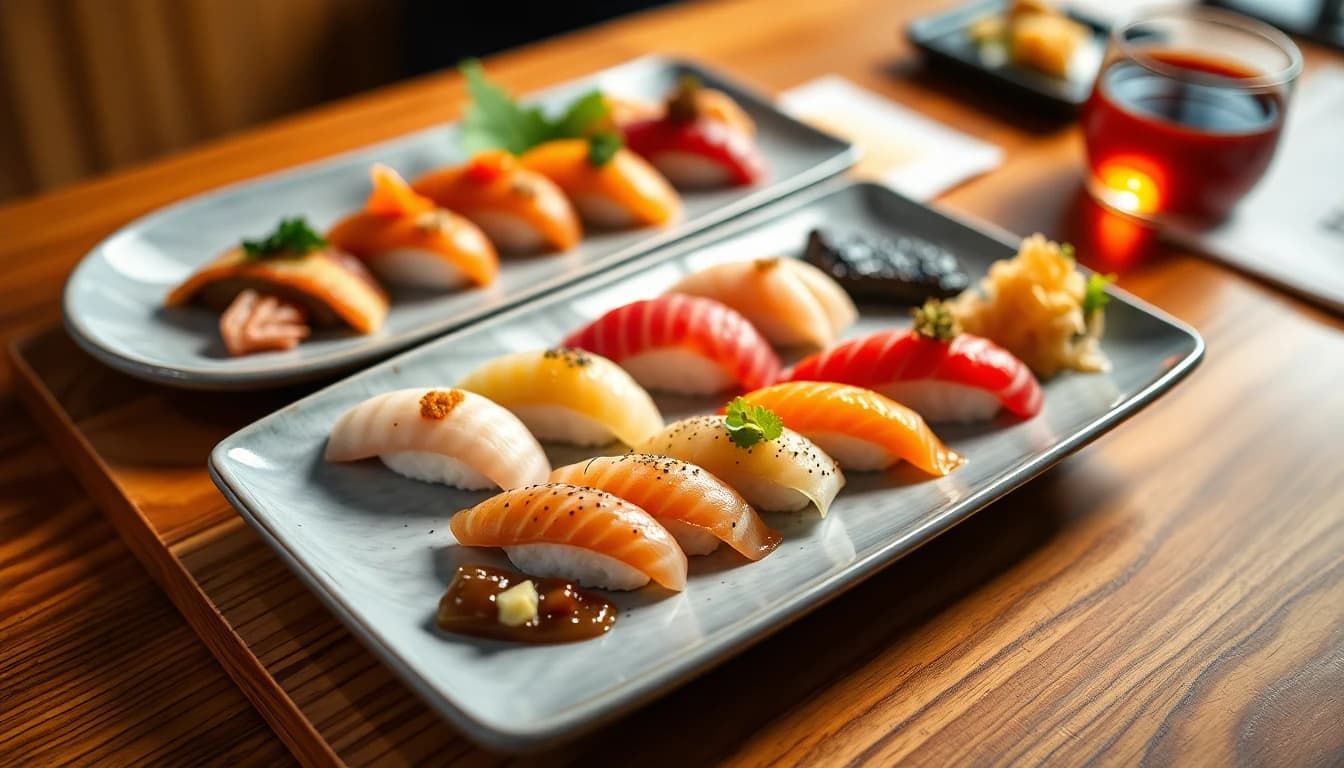
Omakase is not a tasting menu with sushi. It is a curated, sequential performance where the chef acts as both conductor and soloist. The format is typically a procession of small dishes, often starting with a few appetizers (otoshi or sakizuke) like a delicate chawanmushi or marinated seafood, followed by the main event: a series of 10-15 pieces of nigiri sushi. The meal usually concludes with a hand roll, miso soup, and a simple dessert like matcha ice cream or seasonal fruit. In Vancouver, a full omakase experience typically lasts 60 to 90 minutes.
The Vancouver style is a hybrid, respecting Japanese fundamentals while adapting to local tastes and ingredients. True Edomae sushi, as practiced at Masayoshi, involves aging and curing fish using traditional methods like kombu-jime (kelp-curing) or shoyu-zuke (soy marinade). Other chefs, while skilled, may focus on presenting the freshest possible fish with minimal intervention. A key difference from a standard sushi dinner is the pacing and interaction. You sit at the counter, watching the chef's every move.
Each piece is crafted specifically for you at that moment and handed directly to you. This immediacy is central to the experience; the rice is still body-temperature, and the fish's texture is at its peak.
Sitting at the counter is non-negotiable for a proper omakase. This is not a slight; it is an honor. It allows the chef to gauge your reactions, adjust seasoning, and potentially offer you something extra if they sense your deep appreciation. If you are seated at a table, you are having a chef's tasting menu, not omakase in the traditional sense. The counter is the stage, and you have a front-row seat. This intimate setting makes omakase a profoundly different experience from ordering a la carte or even a shared platter.
For large group dining of a different kind, such as corporate events, structured catering services like those from My Great Pumpkin handle the logistics of multi-course meals for offices, but the omakase counter remains a personal, one-on-one culinary dialogue.
Summary: Omakase in Vancouver is a chef-directed sequence of appetizers, nigiri, and dessert lasting 60-90 minutes, defined by counter seating and immediate service. The local style blends traditional Edomae techniques with pristine West Coast ingredients. Securing a counter seat is essential for the authentic, interactive experience that distinguishes it from a standard sushi dinner.
Omakase Vancouver: Where to Go and Price Tiers (2026)
Navigating Vancouver's omakase landscape requires understanding its stratification. Prices have risen with demand and ingredient costs, but a range of options exists. Use this guide to match a restaurant to your budget and desired experience. Remember, these prices are for the omakase only and do not include drinks, tax, or tip.
Ultra-Premium ($200+ per person): This tier is for the dedicated connoisseur. The experience is lengthy, the ingredients include rare imports from Japan, and reservations are fiercely competitive. Masayoshi (4376 Fraser St) is the benchmark, with its $250+ omakase offering a pure, technical Edomae experience. Octopus' Garden (1995 Cornwall Ave, Vancouver) offers a more creative, wine-paired omakase in a cozy Kitsilano setting, often exceeding $ 200. Sushi Jin (750 Nelson St, Vancouver) in the downtown core is a newer contender, focusing on exceptional neta (toppings) with a price point around $ 220. Bookings for these spots typically open 30-60 days in advance and sell out within minutes or hours.
Premium ($100 - $180 per person): This is Vancouver's omakase sweet spot, offering incredible quality and craftsmanship. Sushi Bar Maumi (1226 Bute St) is a legendary, no-frills 10-seat counter where the $150 omakase is a nigiri-only masterclass. It's cash-only and phone-reservation only, adding to its classic feel. Tetsu Sushi Bar (775 Denman St) offers a similarly focused experience for around $130, with a warm, neighborhood vibe. Kishimoto Japanese Restaurant (2054 Commercial Dr, Vancouver) offers a more varied omakase on Commercial Drive, including cooked items, for approximately $ 110. These restaurants provide the essential omakase counter experience without the extreme lead time or price of the top tier.
Accessible & Introductory ($60 - $100 per person): This tier is your best entry point. The Omakase Lunch at Miku (70-200 Granville St) is a standout at around $65, offering aburi (flame-seared) highlights alongside classic nigiri in a stunning waterfront setting. Sushi Hil (3755 Lougheed Hwy #205, Vancouver) in Burnaby offers tremendous value, with a detailed omakase starting near $ 90. Shima Japanese Restaurant (2336 Marine Dr, West Vancouver) also provides a consistent omakase option on the North Shore. While the ingredient rarity and chef interaction may differ from the premium tiers, these experiences expertly teach the format and pacing.
| Restaurant | Neighborhood | Price Range (Omakase Only) | Key Feature | Booking Difficulty |
|---|---|---|---|---|
| Masayoshi | Fraserhood | $250+ | Edomae tradition, 8 seats | High (60+ days) |
| Sushi Bar Maumi | West End | ~$150 | Nigiri purist, cash-only | High (Phone-only, 30 days) |
| Tetsu Sushi Bar | West End | ~$130 | Intimate, classic technique | Medium-High |
| Miku (Lunch) | Downtown | ~$65 | Aburi-style, great intro | Medium |
| Sushi Hil | Burnaby | ~$90 | High-value, detailed courses | Medium |
Summary: Vancouver's omakase scene has three distinct price tiers: ultra-premium ($200+), premium ($100-$180), and accessible ($60-$100). For 2026, Masayoshi leads the high-end, Sushi Bar Maumi defines the premium classic, and Miku's lunch offers the best introduction. Always confirm the current price and booking policy directly with the restaurant, as these details frequently change.
How to Order Omakase: The Booking Process and What to Expect
Knowing how to successfully book an omakase is half the battle. The process is intentionally designed to filter for committed guests. First, research your chosen restaurant. Check their website or Instagram profile (many, like @sushibar.maumi, use Instagram for announcements). You will usually find one of three booking methods: a dedicated online system like Tock or Resy, a phone-only policy, or an email request form. For online systems, know exactly when reservations open (e.g. "first of the month at 9 AM") and be ready with your credit card details, as a pre-payment or deposit is common.
Once booked, prepare for the meal. Confirm the duration (usually 1.5 hours) and arrive 5-10 minutes early. Lateness is a major faux pas, as the chef times the entire service for the whole counter. You will be greeted and shown to your seat. The chef will often begin by asking if you have any allergies or strong dislikes you didn't mention at booking. This is your final chance to speak up. Then, the performance begins. The chef will present each piece, often stating the name of the fish (e.g. "shima-aji" or "kohada").
It's polite to acknowledge this with a nod or a quiet "thank you."
During the meal, beverage pairing is an important consideration. You can order sake, beer, or tea. A good strategy is to ask the chef or server for a sake recommendation that pairs with the day's menu. They might suggest a specific junmai daiginjo or a local craft sake. Drinking is part of the rhythm, but avoid becoming overly loud or inebriated, as it disrupts the focused atmosphere. The meal concludes with the final dessert. The bill is then presented. Remember, the price you saw is usually before tax, tip, and drinks.
Calculate 18-20% on the pre-tax total for gratuity. As you leave, a simple "gochisousama deshita" (thank you for the meal) to the chef is a perfect way to show your appreciation.
Summary: Booking omakase requires proactive research on specific restaurant policies, with online systems or phone calls needed months in advance for top spots. Expect a timed, 90-minute sequence where punctuality is critical. Beverage pairings are encouraged, and the final bill will require adding tax and a 18-20% tip to the listed omakase price. Expressing thanks as you leave completes the ritual.
Omakase Etiquette: The Unspoken Rules of the Counter
Etiquette is not about stuffy rules, it's about respecting the chef's craft and ensuring you and your fellow diners get the best possible experience. Following these guidelines will make you feel at ease and show the chef you are engaged.
The Act of Eating: When the chef places a piece of nigiri on your counter, pick it up with your fingers. This is traditional and prevents the rice from being squeezed apart by chopsticks. Turn it slightly so the fish (neta) side touches your tongue first. Eat it in one bite, and ideally within 30 seconds of it being made. The rice is seasoned with vinegar, sugar, and salt (shari), and the chef has already brushed each piece with nikiri (a sweet soy glaze) if needed. Do not dip nigiri into the soy sauce dish unless the chef explicitly instructs you to. Adding extra soy sauce is like putting ketchup on a chef's perfectly sauced dish; it overpowers the delicate balance.
The pickled ginger (gari) is a palate cleanser. Eat a small slice between different types of fish, not on top of the sushi.
Counter Conduct: Your seat at the counter is your domain, but be mindful. Avoid wearing strong perfumes or colognes, as they interfere with the subtle aromas of the food. It is acceptable to take a quick, discreet photo of a particularly beautiful piece, but do not use flash and never film the chef continuously. Engaging in quiet conversation with your dining companion is fine, but avoid loud talk that disturbs the concentration of the chef or other guests. If you wish to speak to the chef, wait for a natural pause in their work and keep it brief and complimentary.
A simple "this is incredible" means more than a barrage of questions. Never rub your chopsticks together; it implies they are cheap and splintery, an insult to the restaurant.
Handling Special Requests and Restrictions: If you have a dietary restriction like a shellfish allergy or are vegetarian, you must disclose this at the time of booking, not upon arrival. This allows the chef to plan an alternative menu. Walking in with a surprise restriction puts them in an impossible position. For allergies, they can often substitute beautifully. For full vegetarian omakase, options are limited in Vancouver, as the cuisine is fish-centric. Some restaurants, like The Storm Cafe, which specializes in daily fresh meals and catering, are better equipped for customized dietary menus, but a traditional sushi-ya is not.
If you don't drink alcohol, asking for "omakase for the tea" is a common phrase to indicate you'll pair with green tea.
Summary: Core omakase etiquette includes eating nigiri with your hands within 30 seconds, never adding extra soy sauce unless instructed, and using ginger as a palate cleanser. Respect the chef's space by avoiding strong scents, limiting photography, and disclosing dietary restrictions during booking, not at the counter. This conduct ensures the chef can perform at their best for everyone.
Is Omakase Worth It? Comparing Experiences and Final Tips
The inevitable question: with premium omakase costing as much as a nice dinner for two at a regular restaurant, is it worth the price? The answer depends on what you value. Omakase is not about getting full; it's about an educational, sensory journey. You are paying for the chef's decades of training, their access to the highest-grade fish (often flown in from Japan), and the meticulous, labor-intensive preparation of each component. When you order a la carte sushi, you are getting a product. When you order omakase, you are buying into a philosophy and a moment in time that will never be replicated exactly.
Compare it to other culinary investments. A multi-course tasting menu at a fine-dining French restaurant can easily reach similar prices. Omakase offers a unique intimacy and direct connection to the creator that few other formats do. For a special occasion, a milestone, or a deep dive into sushi, it is absolutely worth it. For a casual Friday night sushi craving, it is not. Think of it as attending a live concert versus listening to an album. The setlist (menu) might be similar, but the live experience (counter seating, immediate service) is transformative.
Before you go, finalize your planning. Confirm the price and payment method. Some places are cash-only. Dress smart-casual; you don't need a suit, but avoid overly casual gym wear. Budget for the total cost: Omakase price + tax (12% in BC) + tip (18-20%) + drinks. A $150 omakase can easily become a $250 per person outing. Explore Vancouver's wider food scene to contextualize your experience. Our city is a hub for diverse catering and dining needs, from large office orders to specialized diets.
Learn more about options for bigger events in our article on What Vancouver Catering Companies Handle Large Office Orders. For reliable, daily meal solutions that require no planning, local services like The Storm Cafe provide a convenient contrast to the planned spectacle of omakase. the best tip is to go with an open mind and an empty stomach. Trust the chef, engage with the process, and savor each bite. You're not just having dinner, you're participating in a centuries-old tradition that Vancouver has made its own. For more inspiration on Vancouver's dining landscape, consult the Destination Vancouver restaurant guide.
Summary: Omakase is worth the premium for a unique, educational, and intimate dining experience centered on a chef's expertise and top-tier ingredients, making it ideal for special occasions. To prepare, confirm total cost including drinks and tip, dress smart-casual, and compare it to other fine dining for value. Approach it as a culinary event, not just a meal.
Frequently Asked Questions
What does omakase mean?
Omakase (お任せ) is a Japanese phrase that translates to "I leave it up to you." In a restaurant context, it means you are entrusting the chef to create and serve a personalized meal based on the freshest seasonal ingredients available that day. You receive a multi-course progression, typically featuring sushi, without choosing the specific items.
How much does omakase cost in Vancouver?
Prices in Vancouver range widely. Accessible introductory omakase, like the lunch at Miku, starts around $65 per person. The premium tier, including Sushi Bar Maumi and Tetsu Sushi Bar, ranges from $100 to $ 180. Ultra-premium experiences like Masayoshi start at $250 and can go higher. These prices are for the food only and do not include tax, tip, or drinks.
How far in advance do I need to book omakase in Vancouver?
It depends entirely on the restaurant. For the most in-demand counters like Masayoshi or Sushi Bar Maumi, you may need to book 30 to 60 days in advance, with reservations often selling out within minutes of opening. For more accessible spots like Sushi Hil or Miku, a few days to two weeks of lead time is usually sufficient. Always check the restaurant's specific booking policy.
Can I do omakase if I have dietary restrictions or allergies?
You can, but communication is critical. You must inform the restaurant of any allergies or major restrictions (e.g. no shellfish) at the time of booking, not when you arrive. This gives the chef time to prepare alternatives. However, a strict vegetarian or vegan omakase is difficult to find in a traditional sushi restaurant, as the cuisine is centered on seafood.
What is the difference between omakase and a regular sushi dinner?
A regular sushi dinner involves you ordering specific items a la carte from a menu, often delivered all at once. Omakase is a chef-curated, timed progression of courses served piece-by-piece directly to you at the counter. The focus is on seasonality, the chef's technique, and an interactive experience, rather than consuming your favorite rolls.
Is it okay to use soy sauce and wasabi during omakase?
Generally, no. The chef has already seasoned each piece of nigiri with the appropriate amount of nikiri (a special soy-based glaze) or salt. Adding extra soy sauce is considered disrespectful to this balance. Wasabi is already placed between the rice and fish by the chef. If you feel a piece needs more, it's better to accept it as presented.
How should I dress for an omakase meal?
Smart-casual attire is appropriate. There's no strict dress code at most Vancouver omakase counters, but it's a sign of respect to avoid overly casual clothing like tank tops, shorts with holes, or athletic wear. Think of it as dressing for a nice dinner or a cultural experience.
References
[1] Statistics Canada, "Census Profile: Vancouver Census Metropolitan Area, 2021." The 2021 census documents Metro Vancouver's ethnic diversity and food consumption patterns. https://www12.statcan.gc.ca/census-recensement/2021/dp-pd/prof/index.cfm
[2] City of Vancouver, "Vancouver Food Strategy," 2023. The city's long-term plan for a healthy, sustainable food system. https://vancouver.ca/people-programs/vancouvers-food-strategy.aspx
[3] Destination Vancouver, "Vancouver Restaurants and Dining," 2026. Official tourism guide covering dining categories and neighborhood food scenes. https://www.destinationvancouver.com/restaurants/
[4] Daily Hive Vancouver, "Food Section," 2026. Local news coverage of Vancouver restaurant openings, closures, and food trends. https://dailyhive.com/vancouver/food
[5] Vancouver Sun, "Food and Dining," 2026. Coverage of Metro Vancouver's restaurant scene and food culture. https://vancouversun.com/tag/restaurants/
[6] Georgia Straight, "Food and Drink," 2026. Independent coverage of Vancouver's food, drink, and restaurant scene since 1967. https://www.straight.com/food
Related Articles
Late-Night Eats Vancouver: Open After 10pm, By Area (2026)
The 2026 by-area table of Vancouver late-night food: real spots open after 10pm with verified kitche
Cheap Eats Vancouver Under $15 — by Neighbourhood (2026), Every Entry a Real Dish at a Real Price
A price-verified guide to cheap eats in Metro Vancouver under $15 (2026). Every entry is a real dish
All-You-Can-Eat Korean BBQ Vancouver, BC: Prices Ranked (2026), By Neighbourhood
The complete 2026 price guide to all-you-can-eat Korean BBQ in Vancouver, BC and Metro Vancouver. AY