How to Order Dim Sum in Vancouver Like a Local (2026 Guide)
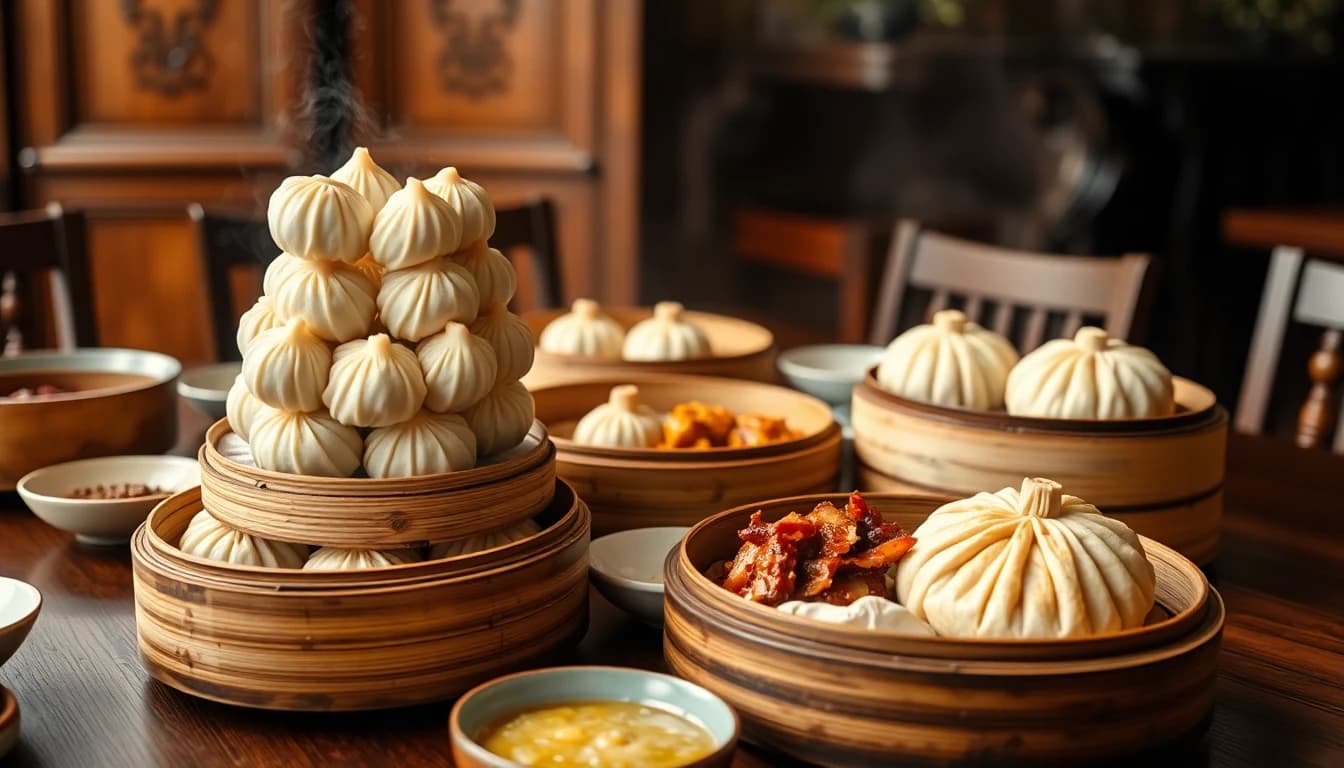
Vancouver's dim sum scene in 2026 features three main ordering systems: traditional cart service, paper tick-sheet menus, and digital tablet ordering.
Last reviewed: April 2026. Data current as of this date.
The Dim Sum Cheat Sheet I Wish Someone Had Handed Me
The first time I ordered dim sum solo in Richmond, I froze at the tick-sheet — half the dishes were written only in Chinese, and I had no idea what a "small" versus "large" stamp would cost me. So here's the glossary I now keep in my head every weekend: the classics by their English and Chinese names, what each one really is, a realistic per-order price for a sit-down Vancouver/Richmond room in 2026, and one ordering tip per dish. Most standard dim sum lands around $5–9 per order here in 2026; premium and seafood items run higher. Where a price swings a lot by restaurant or season I've tagged it "approx — confirm" so you ask at the table instead of taking my word for it.
| Dish (English / Chinese) | What It Is | Typical Price per Order (CAD) | Ordering Tip |
|---|---|---|---|
| Shrimp Dumplings (Har Gow / 蝦餃) | Whole shrimp wrapped in a thin, translucent steamed rice-starch skin | ~$6–8 | The benchmark dish — order it first; the skin should be pleated and not gummy. Usually 3–4 pieces. |
| Pork & Shrimp Dumplings (Siu Mai / 燒賣) | Open-topped steamed pork-and-shrimp dumpling, often topped with roe | ~$6–8 | The other "must"; har gow + siu mai is the standard opening pair. Premium versions (truffle, scallop) run $9+. |
| BBQ Pork Buns (Char Siu Bao / 叉燒包) | Fluffy steamed bun filled with sweet-savoury barbecued pork | ~$5–7 | Steamed is classic; ask if they also do the baked (烘) version — different texture, also great. 3 per order. |
| Baked BBQ Pork Buns (Char Siu Sou / 焗叉燒包) | Glazed, flaky-topped baked pork bun | ~$6–8 | Order alongside the steamed kind to compare; eat while hot or the glaze sets. |
| Rice Noodle Rolls (Cheung Fun / 腸粉) | Silky steamed rice sheets rolled around shrimp, BBQ pork, or beef, with sweet soy | ~$5–8 | Shrimp (鮮蝦) is the crowd favourite; plain with fried-dough (炸兩) is a great texture pick. Eat fast — they firm up. |
| Steamed Pork Spareribs (Pai Gwat / 豉汁排骨) | Bite-size pork ribs steamed with fermented black bean and garlic | ~$5–7 | Lots of small bones — a "set a napkin down" dish. Great with rice. |
| Chicken Feet (Fung Zao / 鳳爪) | Braised, deep-fried then steamed chicken feet in black-bean sauce | ~$5–7 | Don't skip on principle — it's gelatinous and savoury, a true regular's order. |
| Sticky Rice in Lotus Leaf (Lo Mai Gai / 糯米雞) | Glutinous rice with chicken, sausage and egg yolk, steamed in a lotus leaf | ~$6–8 | Filling — one is plenty for two people early on. Unwrap the leaf, don't eat it. |
| Turnip / Radish Cake (Lo Bak Go / 蘿蔔糕) | Pan-fried daikon-radish cake with dried shrimp and Chinese sausage | ~$5–7 | Ask for it pan-fried (煎) for crisp edges. Hit it with chili sauce. |
| Taro Dumpling (Wu Gok / 芋角) | Deep-fried lacy taro shell around a savoury pork filling | ~$6–8 | Eat immediately — the crisp web goes soft fast. A textural showpiece. |
| Spring Rolls (Cheun Gewn / 春卷) | Crisp deep-fried rolls, usually shrimp or vegetable | ~$5–7 | Reliable, kid-friendly. Dip in the Worcestershire-style sauce on the table. |
| Deep-Fried Shrimp Dumplings (Ham Sui Gok / 鹹水角) | Chewy glutinous-rice shell, savoury pork filling, deep-fried | ~$5–7 | Slightly sweet shell, savoury inside — order one to share. |
| Beef Tripe (Ngau Pak Yip / 牛栢葉) | Braised honeycomb tripe in ginger and scallion | ~$5–7 approx — confirm | An acquired-taste regular's pick; soft, not chewy when done right. |
| Beef Meatballs (Ngau Yuk / 山竹牛肉) | Steamed beef balls with water chestnut on a bean-curd sheet | ~$5–7 | Light and bouncy; the dried-tangerine dip is the move. |
| Shanghai Soup Dumplings (Xiao Long Bao / 小籠包) | Thin-skinned dumplings holding hot pork broth inside | ~$7–9 | Technically Shanghainese, but on most Vancouver carts. Bite a hole, sip, then eat — or you'll burn yourself. |
| Egg Tarts (Daan Tat / 蛋撻) | Flaky or cookie-crust tart with warm egg custard | ~$5–7 | A dessert classic; ask if they're fresh from the oven. 3 per order. |
| Sesame Balls (Jin Deui / 煎堆) | Deep-fried glutinous-rice balls coated in sesame, lotus or red-bean filling | ~$5–7 | Hollow, chewy, lightly sweet — a good closer. |
| Egg Yolk Lava Buns (Lau Sa Bao / 流沙包) | Steamed buns with a molten salted-egg-yolk custard centre | ~$6–8 | The Instagram dish; cut and let the lava cool a few seconds. |
| Mango Pudding (Mong Gwo Bou Din / 芒果布甸) | Chilled mango pudding, sometimes with evaporated milk | ~$5–7 | A light, cold finish after all the steamers. |
| Congee (Jook / 粥) | Savoury rice porridge — century egg & pork, or fish | ~$6–9 approx — confirm | Order early so it anchors the table; portions are larger than a "small" plate. |
How a local actually orders
- Open with har gow + siu mai. They're the quality benchmark — if those are good, the kitchen is good.
- Balance the table: one steamed dumpling, one rice-noodle roll (cheung fun), one fried item (wu gok or spring rolls), one rice/bun, one dessert. That's a full spread for two.
- Order in rounds, not all at once — dim sum comes out fast and fried/steamed dishes are best eaten the minute they land.
- Tea matters: you'll be asked which tea (jasmine, pu'er, chrysanthemum, oolong). Tap the table with two fingers to thank whoever refills your cup.
- Prices marked "approx — confirm" mean it varies enough by restaurant that you should glance at the menu price before assuming.
_References: per-dish prices cross-checked against current Richmond/Vancouver dim sum menus and listings (Continental Seafood Restaurant, Empire, Fisherman's Terrace), Noms Magazine, Daily Hive, Yelp/Tripadvisor menus — all reflecting the ~$5–9/order standard band in Vancouver/Richmond, June 2026. Dish names and descriptions are standard Cantonese dim sum items; prices vary by restaurant — confirm at the table._
Introduction
Vancouver's Richmond district has the highest percentage of Chinese residents of any city in North America, creating a dim sum scene that rivals Hong Kong itself[1]. For newcomers and locals alike, navigating a bustling dim sum hall can be intimidating. The carts, the rapid-fire Cantonese, the sheer variety of dishes, it is a unique culinary experience. Knowing how to order confidently is the key to unlocking one of Vancouver's greatest food traditions.
This guide is your personal roadmap. We will break down the entire process, from choosing your tea to flagging down the right cart. You will learn the Cantonese names for key dishes, understand the different ordering systems used in 2026, and get specific recommendations for where to go. Whether you are treating visiting family or craving har gow on a Sunday morning, you will be able to order like someone who has been doing it for years.
Quick Answer
How to Order Dim Sum in Vancouver
To order dim sum in Vancouver, choose a restaurant with a traditional cart service, select your tea, and then point to or order dishes as servers push carts past your table, marking your order sheet as you go.
The most authentic experience involves cart service, still found at stalwarts like Sun Sui Wah (3888 Main St, Vancouver) and Kirin Restaurant (multiple locations). You will be given an order sheet. Servers circulate with steamers and plates on carts; you point at what you want. They will stamp your sheet, and you pay based on the stamps at the end. For a more modern approach, many restaurants like Fisherman's Terrace Seafood Restaurant (Aberdeen Centre, 4151 Hazelbridge Way #3580, Richmond) use tick-sheet or tablet ordering, where you mark your choices on a paper menu or digital device.
Expect to spend $25-$50 per person for a satisfying meal with tea.
Introduction
to Vancouver's Dim Sum Scene
Vancouver's dim sum culture is deeply rooted in its Cantonese community, a tradition that arrived with immigrants from Hong Kong and Guangdong province. It is more than a meal, it is a weekend social ritual, often spanning hours and multiple generations. The scene is concentrated in Richmond, but excellent options exist across Metro Vancouver. In 2026, you will encounter three main ordering systems: the classic rolling cart, the paper tick-sheet, and digital tablet ordering. Each offers a different pace and experience.
The classic cart service is a theatrical dining event. The energy of a packed room, the call of servers announcing dishes, the visual feast of stacked bamboo steamers, it is immersive. This system allows for spontaneity, you can see and smell a dish before committing. The paper tick-sheet method, common at busy spots like Fisherman's Terrace Seafood Restaurant (Aberdeen Centre, 4151 Hazelbridge Way #3580, Richmond), gives you a checklist to mark quantities. It is efficient and ensures you get exactly what you want, but lacks the sensory appeal of the carts.
Tablet ordering is the newest trend, offering photos and descriptions, ideal for those less familiar with the dishes.
Understanding this landscape helps you choose. For a lively, traditional experience with family, seek out cart service. For a quicker business lunch or if you have a specific craving, tick-sheet spots are reliable. No matter the system, the core principle remains: sharing many small plates over pots of steaming tea. For a deeper dive into the dishes themselves, check out our Beginner's Guide to Dim Sum: What to Order in Vancouver.
Summary: Vancouver's dim sum scene in 2026 features three main ordering systems: traditional cart service, paper tick-sheet menus, and digital tablet ordering. Cart service, found at restaurants like Sun Sui Wah, offers an immersive, social dining experience where you select dishes visually as they pass by. The tick-sheet method, used at Fisherman's Terrace, provides efficiency and certainty for diners who know what they want. Choosing the right system depends on whether you prioritize atmosphere or convenience for your meal.
Essential Dim Sum Dishes and Their Cantonese Names
Walking into a dim sum restaurant can feel overwhelming with dozens of options. Knowing a few key dishes and their Cantonese names will instantly boost your confidence. These are the classics, the must-try items that form the foundation of any good dim sum meal. When a server approaches with a cart, you can point and use these names to order like a pro.
Start with the "Big Four" of dim sum. Har Gow (蝦餃) are steamed shrimp dumplings with a translucent, delicate wheat starch wrapper. A good har gow has whole, crunchy shrimp and a wrapper that does not stick. Siu Mai (燒賣) are open-topped pork and shrimp dumplings, usually topped with crab roe or a single pea. They are juicy and savory. Char Siu Bao (叉燒包) are fluffy, white steamed buns filled with sweet, barbecued pork. The baked version, with a sweet, glazed crust, is also fantastic. Cheung Fun (腸粉) are silky rice noodle rolls, often filled with shrimp, beef, or barbecued pork, and served with a light sweet soy sauce.
Beyond these pillars, explore textures and flavors. Phoenix Talons (鳳爪), literally chicken feet, are braised in a black bean sauce until gelatinous and rich, a texture-lover's delight. Lo Bak Go (蘿蔔糕) is pan-fried turnip cake, studded with Chinese sausage and shrimp, crispy on the outside and soft within. Dan Tat (蛋撻) are the iconic egg custard tarts, with a flaky pastry crust and a smooth, sweet center. For a hearty option, Lor Mai Gai (糯米雞) is sticky rice wrapped in lotus leaf, steamed with chicken, mushrooms, and sausage, infusing the rice with incredible aroma.
| Dish (English) | Cantonese Name | Key Ingredients | What to Look For | | Shrimp Dumpling | Har Gow (蝦餃) | Shrimp, bamboo, wheat starch | Translucent, unbroken wrapper; whole shrimp | | Pork & Shrimp Dumpling | Siu Mai (燒賣) | Pork, shrimp, mushroom | Juicy filling; open top with garnish | | BBQ Pork Bun | Char Siu Bao (叉燒包) | Fluffy dough, sweet BBQ pork | Soft, white steamed bun or glossy baked bun | | Rice Noodle Roll | Cheung Fun (腸粉) | Rice noodle, filling (shrimp/beef) | Silky, smooth noodles; light soy sauce | | Turnip Cake | Lo Bak Go (蘿蔔糕) | Shredded daikon, Chinese sausage | Crispy seared exterior, soft interior | | Egg Custard Tart | Dan Tat (蛋撻) | Egg custard, puff pastry | Flaky crust; smooth, wobbly custard |
Summary: Mastering dim sum ordering begins with knowing the essential dishes and their Cantonese names. The foundational "Big Four" are Har Gow (shrimp dumplings), Siu Mai (pork and shrimp dumplings), Char Siu Bao (BBQ pork buns), and Cheung Fun (rice noodle rolls). Other key items include Phoenix Talons (braised chicken feet) and Lo Bak Go (pan-fried turnip cake). Using these names when ordering, such as asking for "Har Gow," demonstrates familiarity and helps ensure you receive the classic dishes that define a quality dim sum experience.
Step-by-Step Ordering Guide: Tea, Menu, and Cart System
Let us walk through a typical dim sum experience from the moment you sit down. The process has a rhythm, and following it ensures a smooth, enjoyable meal. This guide assumes a traditional cart-service restaurant, which is the most common and iconic format in Vancouver.
First, you will be asked about tea. This is not just a beverage, it is central to the meal. Common choices include Jasmine (香片), a fragrant floral tea, Pu-Erh (普洱茶), a dark, earthy fermented tea that aids digestion, and Chrysanthemum (菊花茶), a light, slightly sweet tea. A pot for the table is standard. The server will pour the first round as a courtesy. A key piece of etiquette: tap your index and middle fingers on the table twice to say "thank you" when someone pours your tea. This gesture, legend says, mimics bowing.
Now, the ordering begins. You will receive a blank order sheet. As carts pass by, servers will call out the dishes they carry, often in Cantonese. Do not be shy, wave them over if you see something you like. Point to the item and ask, "What is this?" if unsure. The server will place the dish on your table and stamp your order sheet with a unique mark corresponding to the dish's price tier. Small, medium, large, and special sizes have different prices, usually listed on the sheet or a separate card.
You can also order specific dishes that may not be on carts by asking your server directly.
Managing the flow is part of the fun. Start light with steamed items like har gow and siu mai. Then move to fried dishes like spring rolls or taro dumplings. Follow with heavier plates like spare ribs or beef meatballs. Finish with cheung fun and a vegetable like Chinese broccoli with oyster sauce. Save dessert, like egg tarts or mango pudding, for last. When you are finished, take your stamped sheet to the cashier to pay. They will tally the stamps, and most groups split the total and add a 15–18% tip on top.
Remember, dim sum is about sharing and trying a bit of everything, so go with a group and order widely.
Summary: The step-by-step process for ordering dim sum in Vancouver starts with selecting a tea like Jasmine or Pu-Erh for the table. Servers with carts will then circulate, and you signal them to stop, point to dishes you want, and they will stamp your order sheet. Begin your meal with lighter steamed dumplings, progress to fried and heartier dishes, and finish with rice noodle rolls and dessert. To conclude, present your stamped order sheet at the cashier for payment. Tapping two fingers on the table when tea is poured is a key thank-you gesture in this dining tradition.
Best Dim Sum Restaurants in Richmond and Vancouver for 2026
Choosing where to go is half the battle. Vancouver's dim sum restaurants range from decades-old institutions to modern, new kitchens. Here are the top spots for 2026, categorized by experience and location. Prices are approximate per person for a satisfying meal, before tax and tip.
For the classic, no-fuss cart experience in Richmond, Sea Harbour Seafood Restaurant (150-8888 River Rd, Richmond) remains a benchmark. Their execution is precise, with standout har gow and baked BBQ pork buns. Expect a wait on weekends and a bill around $35-$45 per person. In Vancouver proper, Sun Sui Wah on Main Street is an institution. Their signature roasted squab is a must-order alongside dim sum, offering a full-spectrum Cantonese feast. The atmosphere is bustling and authentic.
If you prefer tick-sheet ordering with exceptional quality, Kirin Restaurant stands out. Their downtown location (1172 Alberni St, Vancouver) is consistently excellent, with delicate, beautifully presented dishes like crab claw dumplings. In Richmond, Fisherman's Terrace in the Aberdeen Centre is a go-to for its consistency and wide variety.
No matter where you go, remember that the best dim sum is often served from opening until mid-afternoon; dinner dim sum exists but is less common.
For other comforting Chinese meals perfect for Vancouver weather, explore our list of Best Chinese Comfort Food for Vancouver's Rainy Season.
Summary: The best dim sum restaurants in Vancouver for 2026 include Sea Harbour Seafood Restaurant in Richmond for classic cart service and precise dishes like har gow, and Sun Sui Wah in Vancouver for an institutional experience featuring signature roasted squab. For tick-sheet ordering, Kirin Restaurant's downtown location and Fisherman's Terrace in Richmond both offer exceptional quality and presentation.
These establishments represent the high standard of Vancouver's dim sum scene, with per-person costs typically ranging from $35 to $50.
Etiquette Tips and Common Mistakes to Avoid
Dim sum has its own set of social rules. Observing them shows respect for the culture and makes the experience better for everyone at the table. Most etiquette is based on principles of sharing, politeness, and practicality.
First, always share. Dishes are placed in the center, and everyone takes a piece onto their small plate. Use the communal serving spoons or chopsticks provided. Never use your personal eating chopsticks to grab food from the shared plate. When pouring tea, pour for others before refilling your own cup. The finger-tapping thank you is widely recognized and appreciated. It is polite to leave the lid of the teapot slightly ajar when you need a refill, a silent signal servers understand.
Common mistakes are easy to avoid. Do not order all your food at once. The joy is in the gradual procession of dishes. Avoid taking the last piece of a dish without offering it to others first; a simple "Does anyone want this?" goes a long way. Do not be afraid to ask questions about what is in a dish, especially if you have allergies. Many items contain shrimp, pork, or peanuts. Another mistake is going too late. The best, freshest selection is from opening (often 10 am) until about 1:30 pm. Arriving at 2 pm means slim pickings.
Finally, handle the logistics. Make a reservation, especially for groups larger than four. Have cash on hand, as some older establishments may not accept credit cards or may have a minimum for card use. Dress is generally casual, but avoid overly sporty attire at higher-end spots. Most importantly, relax and enjoy the noisy, chaotic, delicious atmosphere. It is part of the charm. If you enjoy the shared meal format and are looking for similar convenience for office lunches, you can read about What Vancouver Catering Companies Handle Large Office Orders.
For health-conscious diners, understanding nutritional balance is key; resources like Health Canada's food nutrition guidelines provide useful background.
Summary: Key dim sum etiquette in Vancouver includes using communal serving utensils, pouring tea for others before yourself, and tapping two fingers on the table to thank someone for pouring. Common mistakes to avoid are ordering all dishes at once instead of gradually, taking the last piece without offering it to the table, and arriving after 1:30 PM when the selection is diminished. Making reservations for larger groups and carrying cash, as some restaurants like older Richmond establishments may have card minimums, are important practical tips for a smooth experience.
Key Takeaway
To order dim sum in Vancouver successfully, embrace the cart system at traditional restaurants like Sea Harbour or Sun Sui Wah. Learn key Cantonese names like Har Gow and Siu Mai, order gradually starting with steamed dumplings, and use basic etiquette like tapping the table to thank for tea. Go with a group before 1:30 PM for the best selection and a local experience.
Frequently Asked Questions
What is the average cost for dim sum per person in Vancouver?
For a satisfying meal where you try a variety of dishes, expect to spend between $25 and $50 per person before tax and tip. This can vary based on the restaurant's tier. A mid-range spot like Fisherman's Terrace in Richmond will be around $35-$40, while a premium experience at Kirin or Sun Sui Wah can reach $50+. The final cost depends on how many "special" or luxury items you order, like abalone or crab claws.
Do I need to speak Cantonese to order dim sum?
No, it is not necessary. While knowing a few dish names is helpful, pointing is universally understood. Most servers in busy restaurants are accustomed to guiding non-Cantonese speakers. Many restaurants also have picture menus or, increasingly, tablet ordering systems with photos and English descriptions. Do not let the language barrier stop you from enjoying the meal.
What is the best day and time for dim sum in Vancouver?
Weekend mornings, particularly from 10:30 AM to 12:30 PM, are the peak and most vibrant times. However, this also means the longest waits. For a quieter experience, try weekdays or go right when they open (often 10 AM). Avoid going after 2 PM, as many kitchens stop producing fresh dim sum and switch to dinner preparation.
Are there good vegetarian dim sum options?
Yes, though options are more limited than meat-based dishes. Look for steamed vegetable dumplings, fried spring rolls with mushroom and cabbage, lo bak go (turnip cake), cheung fun filled with fried dough stick or vegetables, and steamed buns with red bean paste or lotus seed paste for dessert. Always inform your server of dietary restrictions so they can guide you.
How does the "cart system" work exactly?
When you sit down, you receive a blank order card. Servers push carts laden with different dishes (e.g. steamed, fried, desserts) through the dining room. When a cart stops near you, you look at the dishes, point to what you want, and the server will place it on your table. They then stamp or mark your order card with the price tier of the dish. At the meal's end, you pay based on the stamps on your card.
Can I get dim sum delivered in Vancouver?
Yes, many dim sum restaurants offer takeout and delivery through platforms like Uber Eats, DoorDash, and Fantuan. However, the experience is different, as steamed items can suffer during transport. For the best quality, dine in. For reliable prepared meal delivery in general, some locals use services like thestormcafe.com for other types of cuisine, but for authentic dim sum, in-restaurant dining is recommended.
Is it okay to go for dim sum alone?
It is possible but less ideal. Dim sum is a shared, social meal centered on trying many dishes. Going alone means you can only order one or two items, missing out on the variety. If dining solo, sit at the counter if available, or opt for a restaurant that offers smaller, set combos during off-peak hours.
References
[1] Statistics Canada, "Census Profile: Vancouver Census Metropolitan Area, 2021." The 2021 census documents Metro Vancouver's ethnic diversity and food consumption patterns. https://www12.statcan.gc.ca/census-recensement/2021/dp-pd/prof/index.cfm
[2] City of Vancouver, "Vancouver Food Strategy," 2023. The city's long-term plan for a healthy, sustainable food system. https://vancouver.ca/people-programs/vancouvers-food-strategy.aspx
[3] Destination Vancouver, "Vancouver Restaurants and Dining," 2026. Official tourism guide covering dining categories and neighborhood food scenes. https://www.destinationvancouver.com/restaurants/
[4] Daily Hive Vancouver, "Food Section," 2026. Local news coverage of Vancouver restaurant openings, closures, and food trends. https://dailyhive.com/vancouver/food
[5] Vancouver Sun, "Food and Dining," 2026. Coverage of Metro Vancouver's restaurant scene and food culture. https://vancouversun.com/tag/restaurants/
[6] Georgia Straight, "Food and Drink," 2026. Independent coverage of Vancouver's food, drink, and restaurant scene since 1967. https://www.straight.com/food
Related Articles
Late-Night Eats Vancouver: Open After 10pm, By Area (2026)
The 2026 by-area table of Vancouver late-night food: real spots open after 10pm with verified kitche
Cheap Eats Vancouver Under $15 — by Neighbourhood (2026), Every Entry a Real Dish at a Real Price
A price-verified guide to cheap eats in Metro Vancouver under $15 (2026). Every entry is a real dish
All-You-Can-Eat Korean BBQ Vancouver, BC: Prices Ranked (2026), By Neighbourhood
The complete 2026 price guide to all-you-can-eat Korean BBQ in Vancouver, BC and Metro Vancouver. AY