How to Eat Hot Pot: A Beginner's Complete Guide (2026)
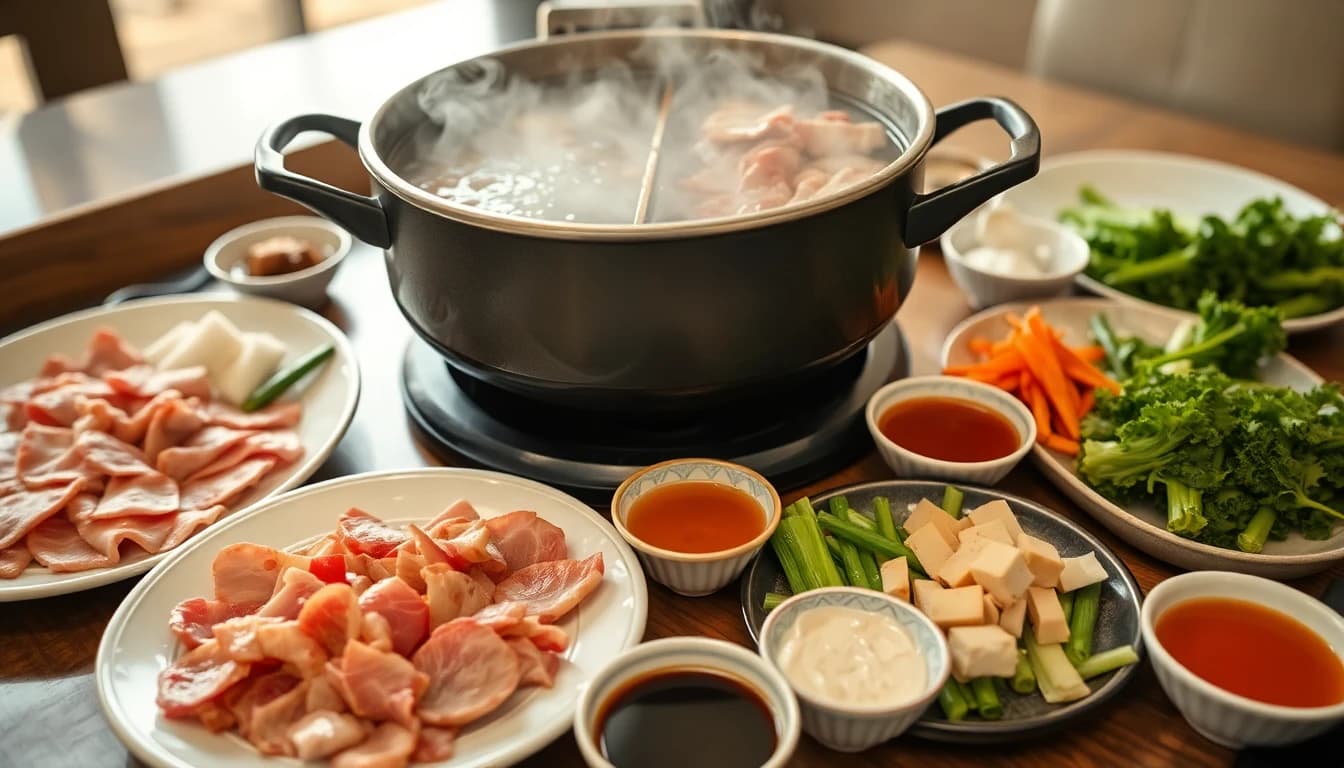
Eating hot pot follows a logical sequence: choose a split broth, order a balanced mix of quick-cook proteins and vegetables, craft a personal dipping sauce, and cook items in order from hardy to delicate.
Last reviewed: April 2026. Data current as of this date.
How to Eat Hot Pot: A Beginner's Complete Guide (2026)
Introduction
Hot pot restaurants in Metro Vancouver have seen a 40% increase in the last five years, with Richmond and Downtown becoming major hubs for this communal dining experience[1]. For many newcomers, the sight of a simmering pot of broth at the table, surrounded by plates of raw ingredients, can be both exciting and a little intimidating. But here in Vancouver, hot pot is more than just a meal, it's a social event, a way to warm up on a rainy day, and a delicious gateway to understanding a significant part of local Asian food culture.
This guide is designed to take the mystery out of hot pot. We'll walk you through every step, from selecting your first broth to mastering the art of the dipping sauce, all with a focus on the Vancouver scene. You'll learn the difference between AYCE and a la carte, get specific recommendations for beginner-friendly restaurants, and pick up pro tips to make your first hot pot outing a success. Whether you're planning a group dinner or a cozy date night, knowing how to navigate a hot pot meal will open up a world of flavour.
Think of it like learning how to enjoy dim sum, another Vancouver staple we've covered in our Beginner's Guide to Dim Sum: What to Order in Vancouver. Both are interactive, shareable, and deeply rooted in culinary tradition. With this guide, you'll gain the confidence to walk into any hot pot spot in the city and enjoy a fantastic meal.
Quick Answer
How Do You Eat Hot Pot for the First Time?
For your first hot pot, go to a beginner-friendly restaurant like Happy Lamb Hot Pot (2135-3779 Sexsmith Rd, Richmond) or Dolar Shop (5300 No. 3 Rd #405, Richmond), order a split pot with two broths (like Tomato and Original Bone), and follow a simple order of operations: cook thinly sliced meat for 10 seconds, vegetables for 1-2 minutes, and add noodles last, all while dipping each bite into a sauce you mix yourself from the sauce bar.
Start by choosing your broth. A "yin-yang" or split pot is ideal for beginners, allowing you to try two flavours. A mild, non-spicy option like Tomato or Mushroom paired with a more adventurous one like Sichuan Mala is a great strategy. Next, order your proteins. For your first time, stick with classic, quick-cooking items: premium thinly sliced lamb or beef (cooks in 10 seconds), shrimp, and maybe some fish balls. Then, select vegetables that can simmer and absorb flavour: napa cabbage, enoki mushrooms, corn on the cob, and lotus root are all excellent choices.
The final step is the noodles and sauce. Order one type of noodle, such as udon or glass noodles, to add to the broth at the end. Meanwhile, visit the sauce bar. Don't be overwhelmed. A foolproof beginner's sauce is: two scoops of sesame paste, one scoop of minced garlic, a spoonful of chopped green onion, a dash of soy sauce, and a few drops of chili oil if you like heat. Mix it in a small bowl. Now you're ready to cook. Use your chopsticks or a small strainer to dip items into the boiling broth, cook for the recommended time, then dip it in your sauce and eat.
The staff at most Richmond hot pot spots are helpful, so don't hesitate to ask for guidance. For a immersive (and pricier) first experience with incredible service, Haidilao (5890 No. 3 Rd #200, Richmond) is famous for its table-side noodle dance and meticulous attention to detail.
How to Eat Hot Pot: Your Step-by-Step Order of Operations
The ritual of hot pot is part of its charm. Knowing what to do and when can transform a chaotic experience into a smooth, enjoyable feast. This step-by-step guide will walk you through the entire process, from the moment you sit down to your last satisfying bite.
Step
1: The Foundation – Choosing Your Broth
Your hot pot journey begins with the most important decision: the broth. This simmering liquid will flavour everything you cook in it. In Vancouver, most restaurants offer a "split pot" option, which is highly recommended for beginners and groups. This allows you to choose two different broths divided in a yin-yang style pot.
For first-timers, here are the most common broths and what to expect:
- Original Bone Broth (清湯): A clear, mild broth made from simmering pork or chicken bones for hours. It's savoury, light, and a perfect canvas for appreciating the natural flavour of high-quality meats. This is a universally safe choice.
- Tomato Broth (番茄鍋): Arguably the most popular "starter" broth in Vancouver. It's tangy, slightly sweet, and packed with umami from stewed tomatoes. It's excellent for cooking vegetables, tofu, and noodles. At a spot like Boiling Point (multiple locations, including 4850 Imperial St, Burnaby), their signature tomato broth is a major draw.
- Mushroom Broth (菌菇鍋): A deeply earthy and vegetarian-friendly option. It's rich with the flavours of shiitake, enoki, and other mushrooms. This is a great choice if you plan to load up on veggies and tofu.
- Sichuan Mala Broth (麻辣鍋): The adventurous choice. "Ma" refers to the numbing sensation from Sichuan peppercorns, and "la" means spicy from chili peppers. This broth is red, oily, and intensely flavourful. Start with a mild spice level. Restaurants like Chong Qing (8320 Alexandra Rd, Richmond) are known for their authentic, potent mala broths.
Pro Tip: If you're with a group, a classic split is Tomato and Mala. If you're avoiding spice, go for Tomato and Mushroom. Always ask the server for their recommendation on spice levels.
Step
2: Building Your Meal – What to Order and How Much
Once your broth is bubbling, it's time to order the ingredients. The key is balance and not over-ordering. A good ratio is roughly 40% protein, 40% vegetables, and 20% noodles/other. Most Vancouver hot pot restaurants operate on an All-You-Can-Eat (AYCE) or an à la carte model. For beginners, AYCE is often less stressful, as you can try small portions of many things without worrying about the final bill.
| Category | Beginner-Friendly Picks | Cooking Time | Pro Tip |
|---|---|---|---|
| Protein | Premium Thinly Sliced Lamb/Beef, Shrimp, Fish Balls, Soft Tofu | Meat: 10-15 sec, Shrimp: 2-3 min, Balls: 3-5 min | Don't overcrowd the pot. Cook a few slices of meat at a time for perfect tenderness. |
| Vegetables | Napa Cabbage, Enoki Mushrooms, Corn on the Cob, Lotus Root, Spinach | Leafy greens: 30 sec, Corn: 5+ min, Root veg: 2-3 min | Heartier veggies like corn can go in early to flavour the broth. |
| Noodles & Starches | Udon, Glass (Sweet Potato) Noodles, Instant Ramen Noodles | Add last, cook per package (1-3 min) | Noodles soak up the broth, making a fantastic finale to the meal. |
| Dipping Sauce | Sesame Paste, Minced Garlic, Green Onion, Soy Sauce, Chili Oil | N/A | Start with a small amount of each and adjust. Don't dip raw meat into the shared sauce bowl. |
A common mistake is ordering too much meat first. Start with 2-3 protein choices, 3-4 vegetable choices, and one noodle. You can always order more. For a curated experience without the decision fatigue, some local services like The Storm Cafe offer prepared meal kits that include pre-portioned hot pot ingredients and broth, which is a great way to practice at home.
Step
3: The Art of Cooking and the Sacred Dipping Sauce
Now for the interactive part. Each person will have their own small bowl for dipping sauce and a set of utensils (chopsticks and a small wire strainer or ladle is common). First, visit the sauce bar. This can be the most fun part. A classic northern Chinese sesame sauce (麻醬) is a great base: mix sesame paste (not tahini), fermented bean curd (a small cube), chopped cilantro, minced garlic, and a bit of chili oil. For a simpler Cantonese-style sauce, just use soy sauce with fresh chili slices and garlic.
Cooking order matters:
- Start with aromatics and hardy veggies: If you ordered corn or daikon, put them in first to simmer and sweeten the broth.
- Cook proteins in batches: Use your chopsticks or strainer to swish 2-3 slices of meat through the boiling broth for just 10-15 seconds until they change colour. Overcooking makes them tough.
- Add delicate vegetables and tofu: Items like leafy greens and soft tofu only need a quick dip.
- Finish with noodles: Add your noodles to the broth you enjoy most. By this time, the broth is packed with flavour from everything cooked before, making the noodles delicious.
Remember, the broth is communal, but your dipping sauce is personal. Never dip raw food into your sauce, and don't double-dip food you've already taken a bite of. For more on safe and enjoyable communal dining, you can refer to general guidelines from the BC CDC health information site.
Summary: Eating hot pot follows a logical sequence: choose a split broth, order a balanced mix of quick-cook proteins and vegetables, craft a personal dipping sauce, and cook items in order from hardy to delicate. The key is to cook thinly sliced meat for only 10-15 seconds and to add noodles last. Following these steps ensures every ingredient is cooked perfectly and maximizes flavour.
Hot Pot Guide for Beginners: Navigating Vancouver's Best Restaurants
Vancouver's hot pot scene is diverse, ranging from luxurious, service-focused establishments to bustling, value-driven AYCE halls. Knowing where to go for your first time can make all the difference. This guide breaks down the top spots for beginners, categorized by what you're looking for in your inaugural hot pot adventure.
Best for First-Timers: Service and Guidance
If you want hand-holding and a stress-free experience, these restaurants are known for their excellent service and are accustomed to guiding newcomers.
- Haidilao (海底撈): The name synonymous with extreme service. Located at 5890 No. 3 Rd #200 in Richmond, Haidilao is an event. While it's à la carte (expect to spend $50-$70 per person), you pay for the experience: free manicures while you wait, dance performances where staff stretch noodles tableside, and attendants who are attentive. They will help you with everything from timing your cook to suggesting sauce mixes. It's the perfect "special occasion" first hot pot.
- Happy Lamb Hot Pot (快樂小羊): With locations in Richmond (2135-3779 Sexsmith Rd) and Downtown Vancouver, Happy Lamb is famous for its "no need for dipping sauce" broth. Their rich, herbal bone broth is so flavourful you can eat from it directly. This simplifies the process immensely for beginners. Their AYCE lunch is a particularly good value, often around $35 per person.
- Dolar Shop (豆撈坊): Also in Richmond (5300 No. 3 Rd #405), Dolar Shop offers a more upscale, individual pot experience. Each person gets their own small pot of broth, which is hygienic and lets everyone choose their own flavour. Their broths, like the signature collagen broth, are refined, and their meat quality is consistently high. It's à la carte, with a typical spend of $45-$65 per person.
Best for Value and Variety: The AYCE Experience
All-You-Can-Eat is the most popular format in Vancouver. It's budget-friendly (usually $30-$45 for dinner) and lets you experiment without fear of wasting money on a dish you don't like.
- Hot Pot Palace (新鏞記): A Richmond institution at #130-8291 Ackroyd Rd. It's often packed, which speaks to its value and quality. They have a massive selection for AYCE, including items like crab, mussels, and a wide variety of sauces. The atmosphere is lively and no-frills, perfect for a loud, fun group dinner.
- Landmark Hot Pot House (春秋火鍋): A classic, long-standing spot at 4023 Cambie St in Vancouver. It's known for its high-quality ingredients and excellent congee at the end of the meal (you can ask them to add rice to your leftover broth). It's more à la carte but offers set menus that are great for beginners wanting a curated experience.
- For Large Groups: If you're organizing a meal for a big team or event and want the hot pot experience without the restaurant logistics, corporate catering services like My Great Pumpkin can provide customized solutions, similar to how they handle office meal subscriptions.
Exploring these restaurants is part of the rich tapestry of Vancouver's dining scene, much like discovering the hidden gems in our Richmond Food Court Guide: Aberdeen and Crystal Mall.
Summary: Vancouver beginners should choose a restaurant based on their desired experience. For unparalleled service and a show, Haidilao is worth the splurge. For a simplified, flavourful meal, Happy Lamb's signature broth is ideal. For the best value and chance to try everything, AYCE spots like Hot Pot Palace are perfect. Expect to spend $35-$70 per person depending on the restaurant style and menu choice.
Hot Pot Tips: Pro Advice to Elevate Your Meal
You've got the basics down. Now, let's talk about the tips and tricks that separate a good hot pot meal from a great one. These insights, gathered from countless meals across Richmond and Vancouver, will help you optimize flavour, manage your meal, and avoid common pitfalls.
Master the Dipping Sauce and Broth Evolution
Your sauce is your personal flavour command centre. Don't just throw things together. Think of it like building a cocktail. Start with a base: Sesame Paste (rich, nutty) or Soy Sauce (salty, clean). Add aromatics: Minced Garlic, Chopped Cilantro, Green Onion. Provide heat: Chili Oil or Fresh Thai Chilies. Add complexity: a dash of Vinegar (cuts through fat), a bit of Sesame Oil, or that unique Fermented Bean Curd. Mix in a small bowl and taste. You can always add more.
Pay attention to your broth. It evolves throughout the meal. At the start, it's clean and pure. After cooking meats, it gains umami and richness. After cooking vegetables, it becomes sweeter and more complex. This is why adding noodles last is a pro move: they absorb this "super broth." If you're at a restaurant like Landmark, don't miss the final step of having them make congee (rice porridge) with the leftover broth. It's the ultimate comfort food finish.
Logistics and Etiquette: Doing It Right
Hot pot is communal, so good etiquette enhances everyone's experience.
- Use Separate Utensils for Raw and Cooked: Most places provide two sets of chopsticks or tongs. Use one for handling raw meat and placing it in the pot, and another for retrieving cooked food. If not provided, use the reverse ends of your chopsticks.
- Don't "Lose" Food in the Pot: Cook items in small batches that you can easily retrieve. Letting things simmer forgotten for too long makes them overcooked and can muddy the broth.
- Ask Before You Cook: Some items, like certain fish balls or stinky tofu, have strong flavours that will permeate the entire pot. It's polite to check with the table before adding something pungent to the shared broth.
- Manage the Heat: The pot should be at a rolling boil when cooking. If it gets too low, ask your server to turn it up. If it's boiling over, turn it down slightly.
- Safety First: Be careful with the pot and the heating element. Keep loose sleeves and long hair away. Never reach across a boiling pot. Keep the Health Canada food nutrition guidelines in mind for general food safety, like ensuring meats are fully cooked.
Beyond the Basics: Adventurous Ingredients to Try Next Time
Once you're comfortable with the classics, Vancouver's hot pot menus offer a world of interesting ingredients. On your second or third visit, consider trying:
- Pork Blood Cake (鴨血/豬血糕): A Sichuan staple. It has a dense, jelly-like texture and absorbs the mala broth beautifully. Often found at spots like Chong Qing.
- Beef Tripe (牛百葉): The honeycomb tripe is chewy and fantastic for soaking up sauce. It only needs a quick dip in the broth to become tender.
- Chinese Donut Stick (油條): Not just for breakfast. A quick dip in the broth softens the exterior while keeping the inside slightly chewy. Excellent in tomato or mala broth.
- Taro Root: Adds a starchy, creamy element that thickens the broth slightly. Cook until soft.
- Quail Eggs: Usually served pre-boiled and peeled. Just warm them through in the broth for a rich, bite-sized treat.
Exploring these options connects you to the broader, vibrant world of Asian culinary ingredients found across the city, similar to the variety you'd find in the city's best food halls and markets.
Summary: Pro hot pot tips focus on finesse: craft a balanced dipping sauce in stages, respect the broth's flavour evolution, and always use separate utensils for raw and cooked food. For your next visit, try adventurous items like pork blood cake or tripe. Following proper etiquette and these advanced tips ensures a safer, more flavorful, and more enjoyable experience for everyone at the table.
Frequently Asked Questions
How much does hot pot cost per person in Vancouver?
The cost varies . For All-You-Can-Eat (AYCE) hot pot, expect to pay between $30 and $45 per person for dinner, with lunch specials often being a few dollars cheaper. For à la carte hot pot at higher-end spots like Haidilao or Dolar Shop, a typical meal can range from $50 to $80 per person, depending on how much meat and seafood you order. Most AYCE places have a time limit, usually around 90 to 120 minutes.
What is the difference between Chinese hot pot, Japanese shabu-shabu, and Korean jeongol?
The core concept is similar, but the broths, ingredients, and sauces differ. Chinese hot pot (especially in Vancouver) often features rich, complex broths (mala, tomato, herbal) and a vast array of ingredients, with a focus on a custom-mixed sesame or soy-based dipping sauce. Japanese shabu-shabu uses a simple kombu (seaweed) broth, focuses on high-quality thinly sliced meat (swished back and forth, hence "shabu-shabu"), and uses ponzu or goma (sesame) sauce for dipping. Korean jeongol is often a single, pre-assembled stew that arrives at the table already cooking, with a spicy gochujang-based broth.
What should I wear to eat hot pot?
Wear casual, comfortable clothing that you don't mind getting a slight food aroma on. The steam from the boiling pot can carry smells, and occasional splashes are possible. Avoid wearing heavy perfumes or colognes, as they can interfere with the aromatic experience of the food. It's a good idea to wear layers, as you might feel warm sitting near the pot.
Is hot pot healthy?
Hot pot can be a balanced and healthy meal, as you control exactly what goes into it. You can load up on vegetables, lean proteins like fish and chicken, and use clear broths. However, it can also be high in sodium (from broths and sauces) and saturated fat (from fatty meat cuts and oily broths). To make it healthier, choose a clear broth, trim excess fat from meats, go easy on the salty dipping sauces, and fill half your plate with vegetables. The BC CDC health information site offers good general advice on balanced eating.
Can I do hot pot if I'm vegetarian or have dietary restrictions?
Absolutely. Vancouver's hot pot scene is accommodating. Most restaurants offer dedicated vegetarian mushroom or tomato broths. You can then fill your meal with tofu (soft, fried, pressed), a huge variety of mushrooms, leafy greens, corn, lotus root, taro, and vegetarian noodles. Always inform your server of any allergies (like shellfish or peanuts) so they can advise on broths and cross-contamination. Some sauces at the sauce bar may contain animal products.
How do I avoid burning my mouth on hot pot food?
Patience is key. After retrieving food from the boiling broth, let it rest for a moment in your dipping sauce bowl or on your plate. This allows it to cool slightly and also lets the sauce adhere. Be especially careful with items that hold heat well, like meatballs, fish balls, and tofu puffs, as the hot broth can get trapped inside. Blow on it gently before taking a bite.
What do I do with the leftover broth at the end?
You don't typically drink the leftover broth straight from the communal pot, as it has become concentrated with proteins and fats from cooking. However, in many Chinese hot pot traditions, the final act is to add rice or noodles to the broth to make a porridge or soup. Some Vancouver restaurants, like Landmark Hot Pot House, are famous for this finishing step. You can ask your server if they offer "zhou" (congee) at the end. Otherwise, the broth is left behind.
References
[1] Eater Vancouver, "Restaurant Coverage," 2026. Food media coverage of Vancouver restaurant news, guides, and rankings. https://vancouver.eater.com/
Related Articles
Late-Night Eats Vancouver: Open After 10pm, By Area (2026)
The 2026 by-area table of Vancouver late-night food: real spots open after 10pm with verified kitche
Cheap Eats Vancouver Under $15 — by Neighbourhood (2026), Every Entry a Real Dish at a Real Price
A price-verified guide to cheap eats in Metro Vancouver under $15 (2026). Every entry is a real dish
All-You-Can-Eat Korean BBQ Vancouver, BC: Prices Ranked (2026), By Neighbourhood
The complete 2026 price guide to all-you-can-eat Korean BBQ in Vancouver, BC and Metro Vancouver. AY