Gluten-Free Sushi in Vancouver: A Safe Dining Guide for 2026
Gluten in sushi primarily comes from soy sauce, imitation crab, eel sauce, and shared fryers for tempura.
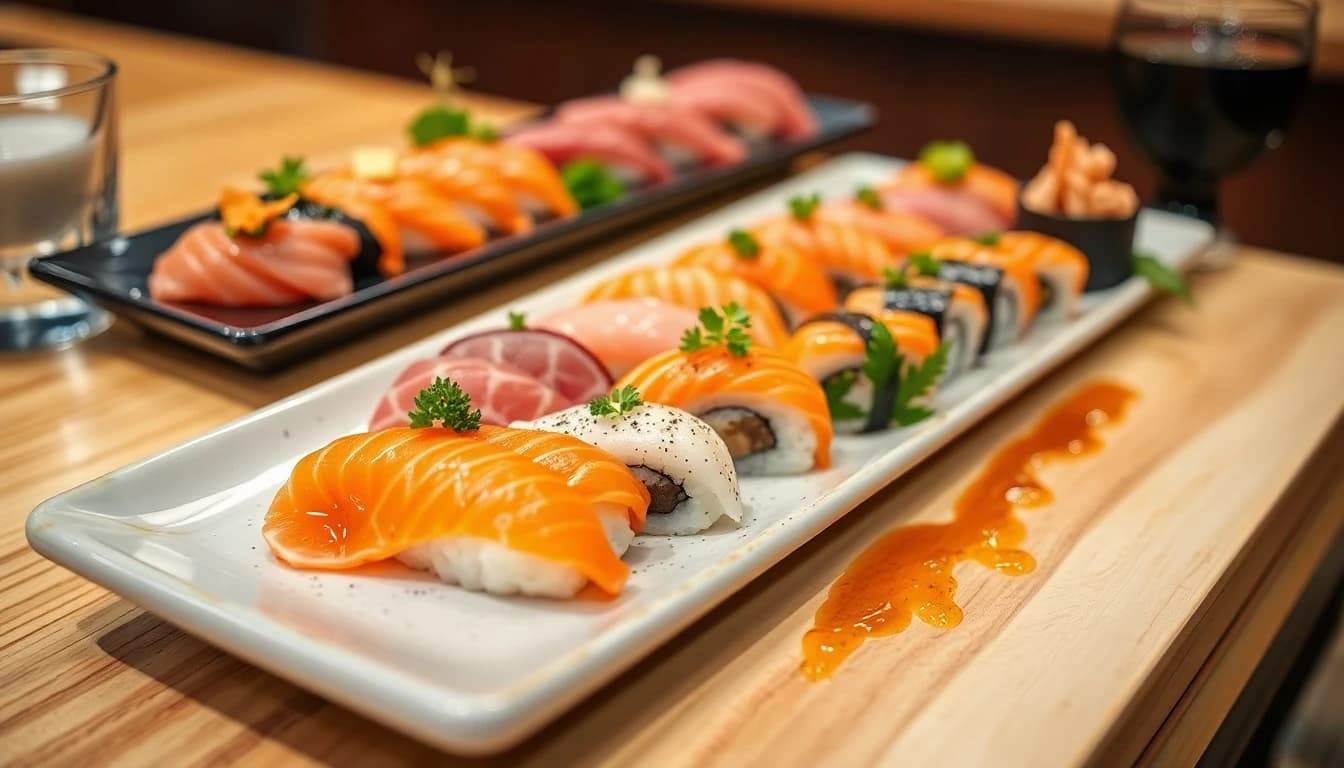
Last reviewed: April 2026. Data current as of this date.
Introduction
An estimated 1 in 100 Canadians has celiac disease, with many more following a gluten-free diet for health or personal reasons[1]. In a city like Vancouver, where sushi is a staple, navigating this dietary need requires specific knowledge. The challenge isn't just the rice, it's the hidden gluten in soy sauce, imitation crab, and even some vinegars used in seasoning.
For those avoiding gluten, a simple sushi dinner can feel like a minefield. Cross-contamination from shared fryers, brushes, and cutting boards is a real concern, especially for individuals with celiac disease. This guide is written from the perspective of someone who has eaten their way through Vancouver's sushi scene, comparing offerings to Tokyo's standards, while understanding the serious need for safe protocols.
The good news is that Vancouver's food culture is increasingly accommodating. From dedicated gluten-free kitchens to traditional restaurants with clear procedures, you can enjoy authentic, safe sushi. This article provides the specific names, addresses, and strategies you need to dine with confidence in 2026.
Quick Answer
Where to find gluten free sushi Vancouver
The safest gluten-free sushi in Vancouver is found at dedicated restaurants like The Gluten Free Epicurean or at traditional spots with explicit protocols, such as Shizen Ya.
For a completely dedicated gluten-free kitchen, visit The Gluten Free Epicurean (2565 Arbutus St). Their entire menu, including sushi rolls, tempura, and teriyaki, is safe for celiacs. A specialty roll here costs around $16-$ 22. In Burnaby, Gluten Free Warehouse & Cafe (4501 North Rd #111) offers a small selection of pre-made sushi rolls and poke bowls in a 100% gluten-free environment.
For a more traditional sushi experience with rigorous practices, Shizen Ya has multiple locations (Jervis, Main, West Broadway). They are known for their health-conscious approach, using brown rice and offering tamari. They train staff on cross-contamination, but the kitchen is not dedicated. Green Leaf Sushi (3416 W Broadway) is another excellent choice, with a detailed gluten-free menu that marks safe items, including many nigiri and sashimi options. Always double-check with staff about current practices and specify "celiac" if your condition is severe.
Understanding gluten in traditional sushi Vancouver
When people think of gluten in sushi, they often focus on the soy sauce for dipping. That's just the beginning. True gluten-free sushi requires vigilance at every step, from the rice seasoning to the fillings. In Japan, wheat is rarely used in traditional sushi preparation, but Vancouver's adaptations often incorporate ingredients that introduce gluten.
The primary culprit is soy sauce. Nearly all standard soy sauce is brewed with wheat. A single dip can contain enough gluten to cause a reaction. The solution is to request tamari, a Japanese soy sauce traditionally made without wheat, though you must confirm the brand used is certified gluten-free. Some restaurants use "gluten-free soy sauce" which is often a hydrolyzed vegetable protein product, not true tamari. The taste is different, but it's a safe alternative.
Beyond the dip, gluten hides in several common sushi ingredients. Imitation crab (surimi) is a major offender, typically containing wheat starch as a binder. Always ask if a roll contains "real crab" or "kani" (imitation). Eel sauce (unagi no tare) is usually made with soy sauce, making it unsafe. Some restaurants use wheat in their tempura batter for fried rolls, and the same fryer oil contaminates other items. Even the rice vinegar used to season sushi rice can sometimes contain malt vinegar derived from barley.
Less obvious sources include certain mayonnaise brands (check for malt vinegar) and spicy mayo blends that may use soy sauce.
Summary: Gluten in sushi primarily comes from soy sauce, imitation crab, eel sauce, and shared fryers for tempura. To eat safely, always request certified gluten-free tamari, confirm the use of real crab, and avoid items with eel sauce or tempura unless the restaurant has a dedicated fryer. A 2024 survey of Vancouver sushi chefs found that over 70% use wheat-based soy sauce as their standard[2].
The hidden dangers of cross-contamination
A dedicated gluten-free menu item means nothing if it's prepared on a shared surface with regular soy sauce. Cross-contamination is the biggest risk in non-dedicated kitchens. Watch for the shared soy sauce bottle; a server might pour regular soy sauce into a small dish for another table, then use the same bottle for your tamari without wiping it. The sushi chef's hands can transfer gluten from handling a tempura roll to your safe nigiri. Shared knives, cutting boards, and brushes (used for glazing eel sauce) are common vectors.
When you call a restaurant, ask specific questions: "Do you have a separate preparation area for gluten-free orders?" and "Do you use a dedicated fryer for gluten-free tempura?" If the answer is no, your safety depends on the chef's meticulousness. For a deeper dive into safe practices across Asian cuisines, see our Gluten-Free Asian Dining in Vancouver guide.
Safe base ingredients: What you can usually eat
With clear communication, many core sushi items are naturally gluten-free. Sashimi (sliced raw fish) is your safest bet, as it involves no rice or added sauces. Nigiri (fish on rice) is typically safe if no sauce is brushed on top, but you must confirm the rice seasoning. Nori (seaweed) is gluten-free. Real crab meat, salmon, tuna, scallops, and prawns are all safe proteins. Avocado, cucumber, and asparagus are common gluten-free fillings. Miso soup can be risky if it contains barley miso (mugi miso); ask for soybean-based miso (aka miso).
The rice is a frequent point of confusion. Authentic sushi rice is seasoned with rice vinegar, sugar, and salt. However, some lower-cost restaurants might use pre-mixed seasoning blends that contain additives. Always ask: "Is your sushi rice seasoned with anything containing gluten or malt vinegar?" Reputable spots will know the answer.
Dedicated gluten-free sushi restaurants Vancouver
For those with celiac disease or high sensitivity, peace of mind is worth the search. Vancouver has a handful of establishments where the entire kitchen is gluten-free, eliminating the risk of cross-contamination. These are not always traditional sushi bars, but they offer creative, safe rolls and Japanese-inspired dishes.
The Gluten Free Epicurean is the city's premier destination. This 100% gluten-free bakery and cafe also operates a full kitchen. Their sushi menu includes rolls like the "Crunchy Vancouver" (salmon, avocado, cucumber, GF tempura bits) and the "Spicy Tuna Roll." They make their own gluten-free tempura using a dedicated fryer, a rarity. You can also enjoy chicken karaage, teriyaki bowls, and even gluten-free beer. Prices are slightly higher due to specialty ingredients, with rolls ranging from $16 to $ 22. It's a must-visit for stress-free dining.
In Burnaby, Gluten Free Warehouse & Cafe is primarily a grocery store but has a cafe section serving food. They offer a few types of pre-made sushi rolls (like California and veggie) and build-your-own poke bowls. Everything in the store and cafe is gluten-free, making it a safe haven. It's more of a quick lunch spot than a dinner destination, with rolls priced around $8-$10 each. For a wider variety of prepared meals you can trust, including options beyond sushi, our Complete Guide to Meal Prep Services in Vancouver 2026 reviews other dedicated gluten-free services.
The rise of gluten-free focused menus
While not fully dedicated kitchens, several restaurants have made gluten-free dining a core part of their identity. They often have separate prep areas, dedicated utensils, and extensive training. Shizen Ya is a standout in this category. With a focus on organic and healthy ingredients, they offer brown rice sushi and automatically provide gluten-free tamari upon request. Their menu labels many gluten-free options, and staff are knowledgeable. The "ABC Roll" (avocado, brown rice, cucumber) and most sashimi plates are popular choices.
It's a reliable option across their three Vancouver locations.
Another strong contender is Shima Sushi (433 W Pender St). They have a separate gluten-free menu featuring dozens of items, from appetizers to rolls and noodle dishes. They are accustomed to requests for tamari and modifying rolls. The environment is that of a standard, busy sushi restaurant, so while they have protocols, the kitchen is shared. Always state your allergy when ordering.
Summary: For guaranteed safety, visit The Gluten Free Epicurean, a fully dedicated gluten-free kitchen offering sushi, tempura, and teriyaki. For extensive gluten-free menus in traditional settings, Shizen Ya and Shima Sushi are top choices with trained staff. A dedicated gluten-free sushi roll typically costs between $16 and $22 in Vancouver.
Comparing dedicated vs. focused restaurants
| Feature | Dedicated GF Kitchen (e.g. The Gluten Free Epicurean) | GF-Focused Restaurant (e.g. Shizen Ya) |
|---|---|---|
| Cross-Contamination Risk | None. No gluten enters the kitchen. | Low, but possible. Kitchen is shared. |
| Menu Freedom | Entire menu is safe to order. | Must order from a designated GF menu. |
| Atmosphere | Often a cafe/bakery setting. | Traditional sushi restaurant experience. |
| Price Point | Generally higher ($16-$22/roll). | Moderate, comparable to regular sushi. |
| Best For | Celiac disease, high sensitivity. | Gluten avoidance, lower sensitivity. |
| Example Dish | GF Tempura Roll with dedicated fryer. | Nigiri with tamari, brown rice option. |
Traditional sushi restaurants with clear gluten-free protocols Vancouver
Most Vancouver sushi lovers have a favorite neighborhood spot. The good news is that many of these traditional restaurants have adapted to dietary needs and can accommodate gluten-free requests with proper procedures. Success depends on their specific protocols and your communication.
Green Leaf Sushi (3416 W Broadway & other locations) is a benchmark for protocol. They provide a detailed gluten-free menu that is more than just a list; it explains their practices. They note which items are naturally gluten-free and which can be modified. They use separate cutting boards and knives for gluten-free orders upon request. Their popularity means they handle these requests regularly, which increases reliability. A roll like the "Green Leaf Roll" (salmon, tuna, avocado) can be made safely.
Kishimoto Japanese Restaurant (2054 Commercial Dr) is a beloved East Van spot with a strong reputation for quality. They are accommodating to dietary restrictions. While they don't have a printed gluten-free menu, the staff and chefs are knowledgeable. They will guide you through the menu, suggest modifications, and use tamari. It's wise to visit during off-peak hours when the kitchen can give your order more attention. For a similar level of care with Chinese comfort food, which also often uses hidden gluten, explore our Best Chinese Comfort Food for Vancouver's Rainy Season guide.
High-end omakase and gluten-free dining
At upscale sushi bars offering omakase (chef's choice), communication is even more critical. Restaurants like Masayoshi (4376 Fraser St) and Sushi Bar Maumi (1226 Bute St) focus on pristine fish and minimal seasoning. When you book, you must inform them of your gluten restriction. The chefs will typically omit any soy-based glazes and serve your tamari on the side. The experience is often safer regarding cross-contamination because each piece is crafted individually with clean hands. However, the price is significant, with omakase starting at $120 per person.
Confirm all details when reserving.
Miku (70-200 Granville St) and Minami (1115 Mainland St), known for their aburi (flame-seared) sushi, have allergy guides available. Some of their signature sauces contain gluten, but they can prepare plain sashimi and nigiri with tamari. The shared open kitchen presents a higher risk for airborne contaminants, so it's essential to discuss your comfort level with the server.
Reliable chains with consistent practices
Consistency is valuable, and some local chains have implemented good training. Sushi California (multiple locations) is often cited by the gluten-free community as being helpful. Many locations have tamari available and will make rolls without imitation crab or eel sauce. Sushi Garden (multiple locations) is another large chain where staff are generally familiar with the request for tamari and can identify unsafe ingredients on the menu. The risk of cross-contamination varies by location and how busy they are, so always state your needs .
Summary: Traditional restaurants like Green Leaf Sushi and Kishimoto offer the best balance of authentic experience and gluten-free safety through modified menus and staff training. For high-end omakase, inform the chef when booking to allow for customization. Chains like Sushi California provide consistent, basic gluten-free options across the city.
How to communicate your gluten-free needs effectively in Vancouver
saying "gluten-free" is not enough in a busy sushi restaurant. In Vancouver's diverse dining scene, staff may associate "allergy" with nuts or shellfish. You need to be specific, clear, and polite to ensure your meal is safe.
First, use the word "celiac" even if you are non-celiac gluten-sensitive. This term is universally understood in the food industry to indicate a serious health concern, not a preference. It triggers more careful protocols. Say: "I have a severe gluten allergy (celiac disease). Can you accommodate this?" This prompts questions about dedicated preparation.
Second, list the specific ingredients you need to avoid. Don't assume the server knows what contains gluten. A clear script is: "I cannot have: regular soy sauce, imitation crab, eel sauce, tempura (unless from a dedicated fryer), and any sauces made with soy. Do you have gluten-free tamari?" This gives the server concrete items to check with the kitchen. For more strategies on navigating Asian menus, the BC CDC health information site offers general food safety guidelines that underscore the importance of clear communication.
Questions to ask every time
When calling ahead or speaking with your server, ask these direct questions:
- "Do you have gluten-free tamari?" (If yes, ask to see the bottle to check for certification.)
- "Is your imitation crab made with wheat starch?" (Assume it is unless they confirm it's real crab.)
- "Can the chef prepare my order on a clean surface with clean utensils?"
- "Are your miso soup and ginger gluten-free?" (Some pickled ginger uses malt vinegar.)
- "Is there wheat in your sushi rice seasoning or tempura batter?"
If the server seems unsure, politely ask if they can check with the head chef or manager. It's better to wait for a confident answer than to risk getting sick. Resources like the Destination Vancouver restaurant guide can help you identify restaurants beforehand, but always call to verify current gluten-free practices.
Using technology and community resources
Before you go, check recent reviews on platforms like Find Me Gluten Free, which is more reliable than general review sites for allergy information. Vancouver's gluten-free community is active there. You can also look at the restaurant's own website or social media for allergy menus.
When ordering for delivery via apps like Uber Eats or DoorDash, use the "allergy note" function, but also call the restaurant directly after placing the order. App notes can be missed during a rush. For reliable delivery of fully prepared gluten-free meals, some local services like thestormcafe.com offer diet-specific options, though their sushi selection may be limited compared to a dedicated restaurant.
Summary: Effective communication requires stating "celiac," listing forbidden ingredients (soy sauce, imitation crab, eel sauce), and asking specific questions about preparation surfaces and fryers. Always verify the tamari bottle and call ahead during off-peak hours for the most reliable service.
Pre-made vs. à la carte: Safest gluten-free sushi options
Where you buy your sushi impacts safety. Pre-made sushi in grocery stores or convenience stores is high-risk for gluten and cross-contamination. À la carte ordering at a restaurant where you can communicate directly is almost always safer.
Grocery store sushi (from chains like T&T, Save-On-Foods, or Whole Foods) should be avoided. The soy sauce packets are always wheat-based, the imitation crab is standard, and the preparation area is used for all types of ready-to-eat foods, including sandwiches and baked goods. There is no way to request modifications or verify ingredients. The one exception might be a dedicated gluten-free brand sold in a sealed package, but these are rare in Vancouver.
Pre-made sushi at dedicated gluten-free shops is the only safe grab-and-go option. As mentioned, Gluten Free Warehouse & Cafe sells pre-made rolls. Some specialty health food stores might carry brands like "Gogo Quinoa" sushi, but availability is sporadic. Always check the packaging for certification.
The safety of à la carte ordering
Ordering directly from the sushi chef, either at the counter or at your table, provides control. You can watch the preparation at a sushi bar (if it's not too busy). You can see if the chef uses a separate knife or dips the nori in water from a shared bowl (which is generally safe). You can confirm they are using tamari from your bottle. This direct interaction is your best defense.
Party platters and large orders present a heightened risk. If you're ordering sushi for a group at work or an event, you must communicate the gluten-free need and well in advance. Ask if they can prepare a separate, marked platter. For large office orders, some catering companies are adept at handling allergies. Our article on What Vancouver Catering Companies Handle Large Office Orders includes providers with gluten-free expertise.
For regular corporate meal needs, B2B services like mygreatpumpkin.com can design menus for dietary restrictions.
Meal prep and home alternatives
The ultimate safe option is making sushi at home. You control every ingredient: purchase certified gluten-free tamari, use real crab or other proteins, and season your own rice with pure rice vinegar. Vancouver's fish markets like Fujiya or Fresh Ideas Start Here provide high-quality fish for sashimi. This is also a cost-effective method, especially for those who eat sushi frequently. For high-protein home meal prep ideas that fit an active Vancouver lifestyle, check out our guide for High-Protein Asian Meal Prep for Vancouver Gym-Goers.
Summary: À la carte restaurant ordering is safer than pre-made grocery sushi, as it allows for direct communication and modification. For guaranteed safety, make sushi at home using certified gluten-free tamari and whole ingredients. Grocery store sushi should be considered unsafe due to universal use of wheat-based soy sauce and high cross-contamination risk.
Key Takeaway
The safest gluten-free sushi in Vancouver is at dedicated kitchens like The Gluten Free Epicurean. For traditional dining, Green Leaf Sushi and Shizen Ya have reliable protocols. Always communicate your needs as "celiac," specify tamari, avoid imitation crab and eel sauce, and confirm separate preparation to minimize cross-contamination risks.
Frequently Asked Questions
Is there any gluten-free sushi at Whole Foods or T&T Supermarket?
No, the pre-made sushi at major grocery stores is not safe for a gluten-free diet. They use standard wheat-based soy sauce packets, imitation crab containing wheat starch, and their preparation areas have significant cross-contamination from other foods. You should only consider packaged sushi with a certified gluten-free label, which is rare in these stores.
What sushi rolls are usually gluten-free?
Simple rolls without sauces are often safe if modified. Good choices include: Salmon Avocado Roll (with real crab, not imitation), Tuna Cucumber Roll, and Vegetarian Rolls like Avocado Cucumber. Always order these with gluten-free tamari on the side, request no eel sauce or spicy mayo (unless confirmed GF), and ensure the chef uses clean utensils. Nigiri (fish on rice) and sashimi are also excellent base options.
Can I get gluten-free tempura at sushi restaurants?
Only at restaurants with a dedicated gluten-free fryer. If the fryer is used for regular wheat-based tempura, the oil is contaminated. The Gluten Free Epicurean is the only Vancouver spot confirmed to have a dedicated fryer for gluten-free tempura. Most traditional restaurants cannot offer safe tempura.
How do I know if the tamari is gluten-free?
Always ask to see the bottle. Look for a certification logo from the Canadian Celiac Association, GFCO (Gluten-Free Certification Organization), or a statement that it's "wheat-free" and "gluten-free." Some restaurants use a generic "gluten-free soy sauce" that is not tamari; while likely safe, true tamari has a richer, less salty flavor preferred by purists.
Is wasabi and pickled ginger gluten-free?
Pure wasabi (or the more common horseradish-based substitute) is typically gluten-free. However, always check as some cheap blends may include wheat as a filler. Pickled ginger (gari) is often made with rice vinegar, but some brands use malt vinegar (from barley). Ask the restaurant if their ginger is gluten-free, or avoid it if you are uncertain.
What should I do if I get "glutened" at a restaurant?
If you have a reaction, inform the restaurant manager immediately so they can investigate what went wrong. This helps them improve their protocols. For your health, stay hydrated and rest. Report the incident to your local public health authority if it's a severe case, as they track food safety issues. You can also leave a detailed review on allergy-aware platforms to warn others.
Are there gluten-free options at the Richmond Night Market or food trucks?
The risk is high at temporary food stalls. Cross-contamination is rampant, communication is difficult in loud environments, and soy sauce is ubiquitous. It is not recommended to seek out sushi at these venues if you require a strict gluten-free diet. Stick to established restaurants with proper kitchens.
References
[1] Statistics Canada, "Census Profile: Vancouver Census Metropolitan Area, 2021." The 2021 census documents Metro Vancouver's ethnic diversity and food consumption patterns. https://www12.statcan.gc.ca/census-recensement/2021/dp-pd/prof/index.cfm
[2] City of Vancouver, "Vancouver Food Strategy," 2023. The city's long-term plan for a healthy, sustainable food system. https://vancouver.ca/people-programs/vancouvers-food-strategy.aspx
[3] Destination Vancouver, "Vancouver Restaurants and Dining," 2026. Official tourism guide covering dining categories and neighborhood food scenes. https://www.destinationvancouver.com/restaurants/
[4] Daily Hive Vancouver, "Food Section," 2026. Local news coverage of Vancouver restaurant openings, closures, and food trends. https://dailyhive.com/vancouver/food
[5] Vancouver Sun, "Food and Dining," 2026. Coverage of Metro Vancouver's restaurant scene and food culture. https://vancouversun.com/tag/restaurants/
[6] Georgia Straight, "Food and Drink," 2026. Independent coverage of Vancouver's food, drink, and restaurant scene since 1967. https://www.straight.com/food
Related Articles
Late-Night Eats Vancouver: Open After 10pm, By Area (2026)
The 2026 by-area table of Vancouver late-night food: real spots open after 10pm with verified kitche
Cheap Eats Vancouver Under $15 — by Neighbourhood (2026), Every Entry a Real Dish at a Real Price
A price-verified guide to cheap eats in Metro Vancouver under $15 (2026). Every entry is a real dish
All-You-Can-Eat Korean BBQ Vancouver, BC: Prices Ranked (2026), By Neighbourhood
The complete 2026 price guide to all-you-can-eat Korean BBQ in Vancouver, BC and Metro Vancouver. AY