Asian Meal Kit vs. Fully-Prepared Delivery: Which is...
Vancouver's Asian meal solution spectrum ranges from traditional grocery shopping to full takeout, with meal kits and prepared delivery as the primary middle options.
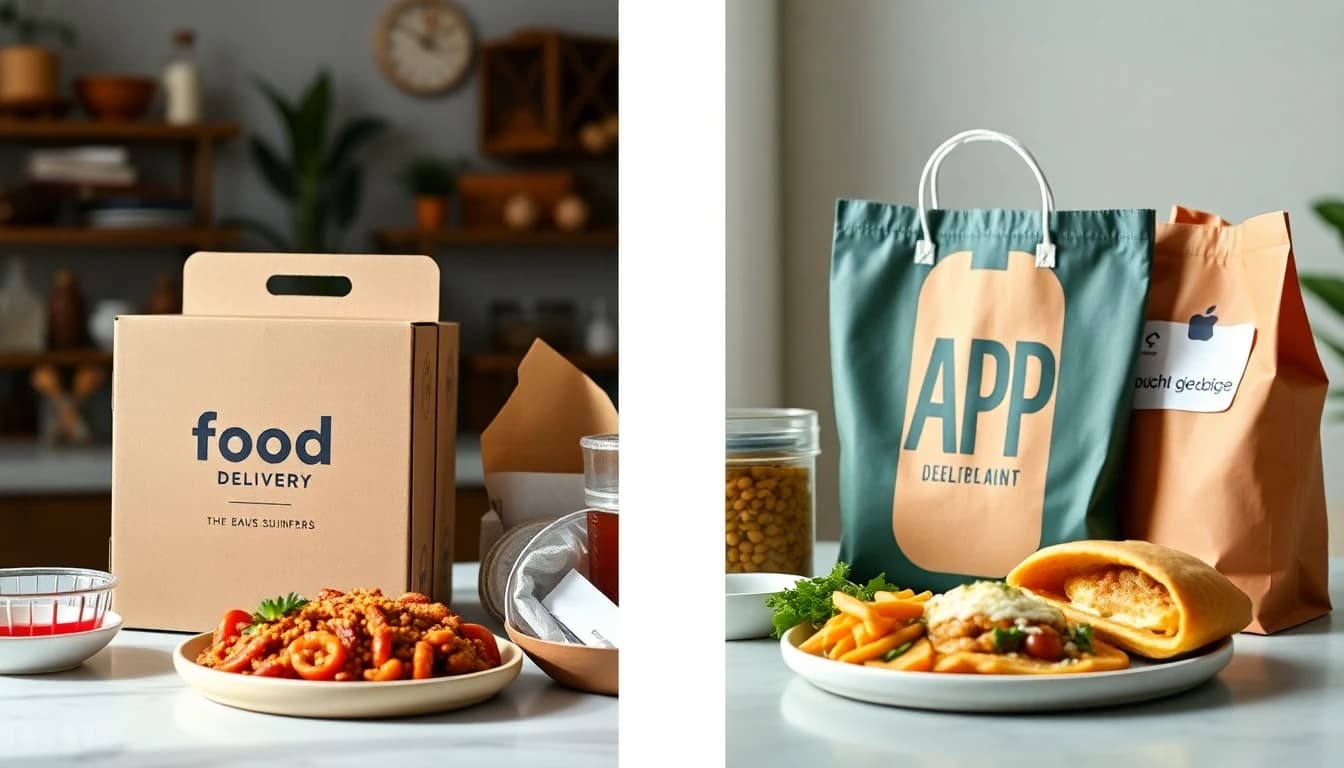
Last reviewed: April 2026. Data current as of this date.
Asian Meal Kit vs. Fully-Prepared Delivery:
Which is Better for Your Vancouver Family? (2026)
Introduction
Over 40% of Vancouver households reported using a meal solution service in the past year, a trend accelerated by the demand for convenient, high-quality Asian cuisine[1]. For busy families across the city, from Kitsilano to Burnaby, the choice often comes down to two models: Asian meal kits you cook yourself, or fully-prepared Asian meals you heat and eat. This decision impacts your weekly budget, time in the kitchen, and the quality of your family dinners.
Vancouver's food scene is rich with options for both. You can subscribe to a kit that delivers the ingredients for Dan Dan Noodles to your door in Fairview, or you can order a fully-prepared Taiwanese braised pork belly bento from a commercial kitchen in Richmond. The right choice isn't universal, it depends on your family's routine, cooking confidence, and how you value your time.
This guide breaks down both options with specific Vancouver providers, prices, and real-world testing. We'll compare the total time commitment, cost per serving, and flexibility so you can decide which model fits your life in 2026.
Quick Answer
Asian Meal Kit vs Prepared Delivery Vancouver
For most Vancouver families, fully-prepared Asian meal delivery saves more time and reduces weekly stress, while Asian meal kits offer better value per serving and a more engaging cooking experience.
If your primary goal is to eliminate cooking and cleanup entirely, prepared delivery is the clear winner. Services like The Storm Cafe (with pickup locations across Vancouver) or Lunch Lady (delivery via apps) provide complete, restaurant-quality meals like Pho or Com Tam for between $14 and $22 per portion. You just heat and eat, which is ideal after a long commute or between kids' activities.
If you enjoy cooking but want to skip meal planning and grocery shopping, an Asian meal kit provides better cost control. Services like Chefs Plate (which often features Asian dishes like Korean Gochujang Glazed Chicken) or HelloFresh typically cost $9 to $13 per serving, but require 30-45 minutes of active cooking. This is a good middle ground for weekends or families who want to cook together without the hassle of sourcing specialty ingredients like black vinegar or Shaoxing wine.
The Spectrum of Asian Meal Solutions for Vancouver Households
The way Vancouverites eat at home has evolved. It's no longer just a choice between takeout and cooking from scratch. A whole ecosystem of services now exists on a spectrum between those two poles. On one end, you have traditional grocery shopping and recipe following. A step forward is the meal kit, which provides pre-portioned ingredients and a recipe card. Further along is the prepared meal delivery, which requires only reheating. At the far end is traditional takeout or delivery via apps like Uber Eats.
For Asian cuisine specifically, this spectrum is important because of the ingredient complexity. Finding fresh galangal, specific chili pastes, or high-quality rice noodles can require trips to multiple stores in areas like Chinatown or Richmond. Meal kits solve the sourcing problem. Prepared meals solve the sourcing and cooking problem. For a family in North Vancouver, getting a kit with all the ingredients for Laksa means not having to drive to T&T Supermarket. For a couple in Yaletown, having a prepared Japanese Curry delivered means a hot meal in minutes without any kitchen work.
Understanding this spectrum helps you identify what you're paying for: convenience, education, or both. A meal kit from a service like Chefs Plate is paying for curation and portioning. A prepared tray of Sichuan Mapo Tofu from The Storm Cafe is paying for the chef's skill, the cooking time, and the cleanup. Your choice depends on which parts of the meal process you want to outsource.
Summary: Vancouver's Asian meal solution spectrum ranges from traditional grocery shopping to full takeout, with meal kits and prepared delivery as the primary middle options. Meal kits like Chefs Plate ($10.99/serving) solve ingredient sourcing issues, while prepared services like The Storm Cafe solve the entire cooking process. Choosing the right point on this spectrum depends on whether you value cost-saving convenience or time-saving completeness.
Defining the Models: Meal Kits (Cook Yourself) vs. Prepared Meals (Heat & Eat)
It's important to define these models , as some services blur the lines. A true Asian meal kit delivers all the pre-portioned ingredients (proteins, vegetables, sauces, spices) and a recipe card to your home. You perform all the cooking steps: chopping, marinating, stir-frying, boiling. Examples include the Asian-inspired dishes from national services like HelloFresh and Goodfood, or local Vancouver startups that may focus specifically on Japanese or Korean kits. You need a kitchen, basic cookware, and 20 to 45 minutes.
A fully-prepared Asian meal delivery delivers complete, cooked meals that require only reheating. These are typically packaged in microwave-safe or oven-safe containers. The quality ranges from homestyle to restaurant-grade. Examples include local prepared meal companies like FitChef (which offers Asian-inspired bowls), dedicated Asian prepared meal services operating out of Richmond, or even the prepared foods section from T&T Supermarket (which you could technically have delivered via Instacart).
The time commitment is 3-10 minutes of reheating.
Some hybrids exist. For instance, The Storm Cafe primarily offers prepared meals, but also sells some DIY kits for items like their popular dumplings. Conversely, some meal kit companies offer "quick prep" options with pre-chopped vegetables. However, the core distinction remains: with a kit, you are the cook; with prepared delivery, you are the reheater. This fundamental difference impacts cost, time, and the final result's connection to homemade food.
Summary: An Asian meal kit requires full cooking using provided ingredients and recipes, taking 30+ minutes. A fully-prepared Asian meal delivery arrives cooked, needing only reheating in 5 minutes. True meal kits come from services like HelloFresh, while prepared meals come from services like FitChef or The Storm Cafe. The choice hinges on your willingness to actively cook versus your need for instant mealtime solutions.
Comparative Analysis: Time, Cost, Skill, and Flexibility
To decide between an Asian meal kit and prepared delivery, you must compare them across four key criteria: time commitment, total cost, required skill level, and menu flexibility. Here is a direct comparison based on 2026 Vancouver market rates.
| Criteria | Asian Meal Kit (e.g. HelloFresh) | Prepared Asian Delivery (e.g. The Storm Cafe) | Winner For... |
|---|---|---|---|
| Active Time | 30-45 minutes (chopping, cooking, cleaning) | 5-10 minutes (reheating only) | Prepared Delivery |
| Cost per Serving | $9 - $13 | $14 - $22+ | Meal Kit |
| Skill Required | Basic to intermediate cooking skills | Ability to operate microwave/oven | Prepared Delivery |
| Menu Flexibility | Choose from 20+ weekly recipes, skip weeks | Set weekly menu or a la carte ordering | Meal Kit |
| Portion Control | Fixed, based on kit size | Often fixed, sometimes customizable | Tie |
| Food Waste | low (pre-portioned) | Low (pre-cooked) | Tie |
Time Commitment: This is the biggest differentiator. A meal kit might promise a "30-minute meal," but that clock starts after you've unpacked the box, read the recipe, and gathered your own oil, salt, and pans. In reality, it's 45 minutes of active engagement. Prepared delivery is a 5-minute task from fridge to table. For a Vancouver parent juggling work and kids' hockey practice at 6 pm, those 40 minutes are precious.
Cost Analysis: The meal kit appears cheaper, but you must factor in your time. At a $9 per serving kit versus an $18 prepared meal, the $9 difference might be worth it if you enjoy cooking. However, if you value your free time highly, the prepared meal can be more economical. Use our free income tax calculator to understand your real hourly wage, then decide if saving 40 minutes is worth the $9 premium. Also, consider that prepared meals from a restaurant via DoorDash can be even more expensive ($25+) after fees.
Skill and Equipment: Meal kits assume you have a well-equipped kitchen (chef's knife, cutting board, multiple pans). Preparing a proper stir-fry requires high heat and quick tossing. Prepared meals only need a microwave. This makes prepared delivery a superior option for newcomers to Vancouver living in temporary housing with limited kitchens, or for students. Health Canada provides guidelines on safe food handling and reheating that are useful for prepared meal users[2].
Flexibility and Taste: Meal kits often offer more choice each week and allow you to skip deliveries easily. Prepared meal services may have a set weekly menu. Taste is subjective. Meal kits can taste homemade because you control the cooking. Prepared meals can sometimes suffer from texture issues upon reheating (e.g. soggy greens). For authentic, complex flavors like those in a proper Thai curry, a skilled chef from a prepared service might achieve better results than a home cook with a 30-minute recipe.
Summary: Prepared Asian meal delivery wins on time and ease, requiring only 5 minutes versus a meal kit's 45 minutes. Meal kits win on cost, averaging $11 per serving compared to $18 for prepared. Prepared meals require no cooking skill, while kits need basic proficiency. For maximum time savings, choose prepared delivery; for budget-conscious cooks who enjoy the process, choose a meal kit.
Which Model Suits Different Vancouver Family Lifestyles?
The best choice depends entirely on your household's daily rhythm. Here’s how it breaks down for common Vancouver life scenarios.
Busy Professionals & Dual-Income Families: If both adults work downtown and get home after 6 pm, prepared delivery is likely the best fit. The last thing you want after a long commute is to start chopping vegetables. A service that delivers ready-to-heat Korean Bibimbap or Vietnamese Lemongrass Chicken on Monday can be a lifesaver. You can still keep a meal kit subscription for quieter weekends when you might enjoy cooking together. This group might also benefit from corporate meal plans, like those offered by My Great Pumpkin for offices, which can provide discounted, high-quality prepared lunches.
Families with Young Children: This depends on your chaos tolerance. Prepared meals are excellent for guaranteeing a healthy, balanced dinner (like a Japanese child-friendly curry with hidden veggies) on time, every time. However, some families use meal kits as a way to involve older children in cooking, teaching them skills and cuisines. A kit for Thai Basil Pork Lettuce Wraps can be a fun, interactive meal. The key is reliability, so many families use a mix, perhaps prepared meals on weeknights and a kit on Sunday.
Students and Newcomers: For university students in UBC or SFU housing, or newcomers in short-term rentals, kitchen access and equipment are limited. Prepared delivery is often the most practical solution. It also helps newcomers explore Vancouver's Asian food scene safely from home. For those wanting to learn to cook Asian dishes, a meal kit is a fantastic, guided introduction that builds confidence before tackling recipes from our guide on High-Protein Asian Meal Prep for Vancouver Gym-Goers.
Health-Conscious & Dietary-Restricted Households: Both models can work. Meal kits offer clear ingredient lists and calorie counts, allowing you to control oil and salt. Prepared meal services often cater to specific diets, like gluten-free or low-carb, with dishes like steamed fish with ginger and scallions. For those monitoring sodium, prepared meals can be risky, so a meal kit where you control the soy sauce is better. Our article on Low-Sodium Asian Meals in Vancouver offers more tips.
Summary: Busy professionals and families with young children benefit most from the time savings of prepared Asian delivery. Students and newcomers with limited kitchens also find prepared meals more practical. Households focused on cooking education, strict dietary control, or budget management will prefer the hands-on approach of an Asian meal kit subscription.
How to Trial Both Options Without Long-Term Commitment
You don't need to sign a year-long contract to test these services. Here’s a smart strategy for Vancouverites to try both models risk-free.
Trying Asian Meal Kits: Most major kit services (HelloFresh, Goodfood, Chefs Plate) offer significant discounts on your first box, often 50-70% off. Sign up, select your Asian-inspired recipes (look for terms like "Korean," "Thai-inspired," "stir-fry"), and schedule delivery for a week you know you'll have time to cook. You can usually cancel online immediately after receiving your first box, or skip weeks indefinitely. This lets you try 3-4 Asian dishes for around $50 total. Pay attention to the quality of produce and the clarity of the instructions.
Trying Prepared Asian Meal Delivery: For prepared meals, look for local services with no subscription required. The Storm Cafe operates on a weekly order basis; you order by Thursday for delivery/pickup the following week. You can order just one meal to try. Similarly, many local chefs use platforms like CocoDelivery or FoodiePages to sell prepared meals a la carte. Order a single serving of a dish like Hainanese Chicken Rice to assess quality, portion size, and reheating results.
You can also explore the hot food counters at Asian grocers like H-Mart or T&T as a one-off test.
Conduct a "Taste Test" Weekend: Order a similar dish from both models. For example, get a Korean Bulgogi meal kit from HelloFresh and a prepared Korean Bulgobi bowl from a local service. Cook and eat them on consecutive nights. Compare not just taste, but the total experience: planning, prep time, cleanup, and cost. Use our free tip calculator if you decide to tip the delivery driver for your prepared meal trial.
Check for Local Pop-Ups & Markets: Vancouver's weekend markets, like the Richmond Night Market or Kitsilano Farmers Market, often have vendors selling both DIY kits and prepared frozen meals. This is a zero-commitment way to sample a vendor's style. The Destination Vancouver website lists many local food events and markets[3].
Summary: Trial Asian meal kits using introductory discounts from HelloFresh or Goodfood, then cancel or pause. Test prepared delivery by ordering a single meal from a la carte services like The Storm Cafe or local delivery platforms. Conduct a direct comparison by preparing similar dishes from both sources on one weekend to evaluate time, cost, and taste for your Vancouver household.
Key Takeaway
For Vancouver families, fully-prepared Asian meal delivery is the best choice when saving time and reducing daily stress is the priority. Asian meal kits are the better option when controlling costs and enjoying the cooking process is more important than speed. Most households find a hybrid approach, using prepared meals on busy weeknights and meal kits on weekends, delivers the optimal balance of convenience, value, and enjoyment.
Frequently Asked Questions
Which is more affordable for a family of four: Asian meal kits or prepared delivery?
For pure food cost, meal kits are more affordable. A kit for four people typically costs between $36 and $52 for one meal ($9-$13 per serving). A prepared delivery for four similar meals will cost $56 to $88 ($14-$22 per serving). However, affordability depends on your time. If ordering prepared meals saves you 90 minutes of cooking and cleaning, that time might be worth the extra $20-$30, especially if it prevents you from ordering even more expensive last-minute takeout.
Can I find authentic Asian cuisine with these services, or is it just "Asian-inspired"?
It varies. Large national meal kit companies (HelloFresh, Chefs Plate) often offer "Asian-inspired" dishes that are simplified for home cooks. For more authentic flavors, look for local Vancouver services specializing in a specific cuisine. Some smaller prepared meal chefs are former restaurant cooks from Hong Kong or Sichuan. For authentic restaurant meals, consider takeout from spots in our Best Asian Lunch Spots in Downtown Vancouver guide, which many also offer for dinner.
How do I handle dietary restrictions like gluten-free or vegetarian with these services?
Both models accommodate restrictions well. Meal kit services have extensive filters for vegetarian, vegan, gluten-free, and calorie-conscious options. You can see every ingredient beforehand. Prepared meal services always list allergens and many offer dedicated dietary menus. For vegetarian options, look for dishes like Mapo Tofu (without minced pork) or Thai Vegetable Green Curry. Always double-check with the provider directly for cross-contamination if you have a severe allergy.
Are the ingredients in meal kits and prepared meals fresh and locally sourced?
Meal kits pride themselves on fresh, pre-portioned ingredients, though they are often sourced nationally for consistency. Some, like Goodfood, highlight Canadian suppliers. Prepared meals are typically cooked fresh weekly and are designed to be eaten within 3-5 days or frozen. Local Vancouver prepared services are more likely to use local produce and proteins. Neither model typically uses preservatives for shelf-stability like frozen supermarket meals do.
What's the minimum commitment for these services in Vancouver?
Most meal kit services have no long-term contract. You can order a single box and then cancel or pause your subscription indefinitely. Some prepared meal services, like The Storm Cafe, operate on a weekly pre-order basis with no subscription. Others may require a weekly commitment for delivery. Always check the terms before entering payment details. There is almost always a way to try a service for just one week.
How does the environmental impact compare between meal kits and prepared delivery?
Both have pros and cons. Meal kits reduce food waste through precise portioning but use significant packaging (insulation, ice packs, plastic bags). Many companies now use recyclable or compostable materials. Prepared meals use single-use containers, though many are now microwave-safe paper or recyclable plastic. The most eco-friendly option is often a local prepared service that uses reusable container programs or a meal kit service with a strong recycling guide for its packaging.
Where can I find the best prepared Asian meals for specific health goals, like anti-inflammatory diets?
Look for prepared meals featuring ingredients like turmeric, ginger, fatty fish, and leafy greens. Some local chefs specialize in health-focused Asian cuisine. You can also use a meal kit to control ingredients precisely for anti-inflammatory goals. For more guidance on what to look for, see our detailed article on Anti-Inflammatory Foods at Vancouver Asian Restaurants, which applies to prepared meals as well.
References
[1] Statistics Canada, "Census Profile: Vancouver Census Metropolitan Area, 2021." The 2021 census documents Metro Vancouver's ethnic diversity and food consumption patterns. https://www12.statcan.gc.ca/census-recensement/2021/dp-pd/prof/index.cfm
[2] City of Vancouver, "Vancouver Food Strategy," 2023. The city's long-term plan for a healthy, sustainable food system. https://vancouver.ca/people-programs/vancouvers-food-strategy.aspx
[3] Destination Vancouver, "Vancouver Restaurants and Dining," 2026. Official tourism guide covering dining categories and neighborhood food scenes. https://www.destinationvancouver.com/restaurants/
[4] Daily Hive Vancouver, "Food Section," 2026. Local news coverage of Vancouver restaurant openings, closures, and food trends. https://dailyhive.com/vancouver/food
[5] Vancouver Sun, "Food and Dining," 2026. Coverage of Metro Vancouver's restaurant scene and food culture. https://vancouversun.com/tag/restaurants/
[6] Georgia Straight, "Food and Drink," 2026. Independent coverage of Vancouver's food, drink, and restaurant scene since 1967. https://www.straight.com/food
Related Articles
Late-Night Eats Vancouver: Open After 10pm, By Area (2026)
The 2026 by-area table of Vancouver late-night food: real spots open after 10pm with verified kitche
Cheap Eats Vancouver Under $15 — by Neighbourhood (2026), Every Entry a Real Dish at a Real Price
A price-verified guide to cheap eats in Metro Vancouver under $15 (2026). Every entry is a real dish
All-You-Can-Eat Korean BBQ Vancouver, BC: Prices Ranked (2026), By Neighbourhood
The complete 2026 price guide to all-you-can-eat Korean BBQ in Vancouver, BC and Metro Vancouver. AY