Where to Find Authentic Hand-Pulled Noodles in Vancouver
A local insider's guide to finding authentic hand-pulled noodles in Vancouver — from Lanzhou beef noodle soup to Xi'an biangbiang noodles across Richmond, Downtown, and Burnaby.
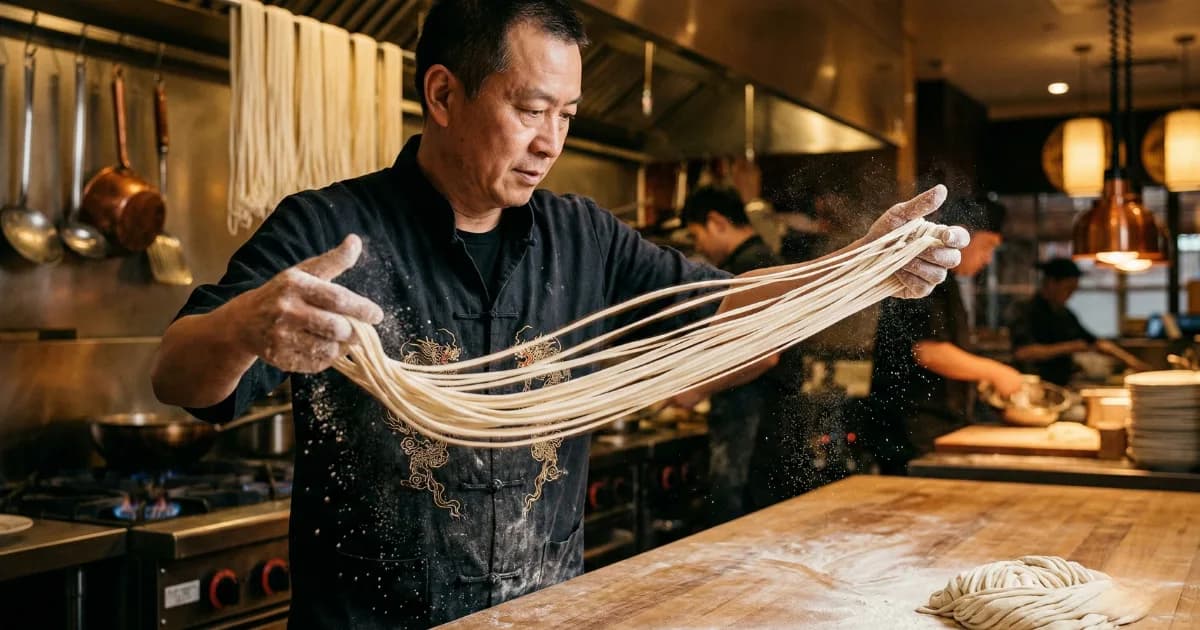
Vancouver is one of the few cities in North America where you can watch a noodle master stretch a lump of dough into dozens of uniform strands in under sixty seconds — and then eat those noodles five minutes later in a bowl of clear beef broth that's been simmering since before dawn. The concentration of authentic hand-pulled noodle shops across Metro Vancouver rivals what you'd find in many mid-sized Chinese cities, and that's not an exaggeration. Between Richmond's Alexandra Road corridor, Burnaby's Kingsway strip, and the growing cluster of noodle specialists downtown, this city has quietly become one of the best places on the continent for la mian (拉麵).
But here's the thing most food guides skip over: not every restaurant advertising "hand-pulled noodles" is actually making them by hand. The phrase has become a marketing term, and unless you know what to look for — the dough station near the front, the rhythmic slapping of dough against the counter, the floury forearms of the noodle maker — you might be paying $16 for noodles that came out of a machine in the back kitchen. After spending years eating across Metro Vancouver's noodle scene, I've learned to tell the difference, and this guide breaks down exactly where to find the real thing, what to order when you get there, and why it matters.
Summary: Vancouver offers North America's strongest concentration of authentic hand-pulled noodle restaurants, clustered across Richmond, Downtown, and Burnaby. This guide identifies restaurants where noodles are genuinely made by hand, covers the regional Chinese styles available locally — from Lanzhou beef noodle soup to Xi'an biangbiang noodles — and provides practical ordering advice, pricing, and tips for spotting the difference between hand-pulled and machine-made.
What Makes Hand-Pulled Noodles Different
Hand-pulled noodles — la mian in Mandarin — are fundamentally different from every other noodle you've eaten. The process starts with a high-gluten wheat dough that's been kneaded and rested repeatedly to develop elasticity. The noodle maker then stretches, folds, and pulls the dough by hand, doubling the number of strands with each fold. A skilled practitioner can produce 128 or more uniform noodles from a single ball of dough in well under a minute[1].
The result is a texture that no machine can replicate. Hand-pulled noodles have a chewiness — what the Chinese call "jin dao" (筋道) — that comes from the aligned gluten strands created during the pulling process. They're springy without being rubbery, smooth on the surface but with just enough irregularity to grip sauce and broth. Machine-extruded noodles compress the dough through dies, which cuts the gluten strands rather than aligning them. The difference in mouthfeel is unmistakable once you've had the real thing.
The Art of La Mian: Technique and Dough
The dough itself is deceptively simple: wheat flour, water, salt, and often a small amount of an alkaline agent called penghui (蓬灰), traditionally derived from the ash of a desert plant native to China's Gansu province. Modern noodle shops typically use food-grade potassium carbonate as a substitute, which serves the same purpose — it relaxes the gluten network, making the dough stretchable enough to pull into thin strands without snapping[2].
The noodle maker's skill determines everything. There are at least seven distinct noodle shapes that a trained la mian master can produce from the same dough:
- Mao xi (毛细) — ultra-thin, hair-like noodles, typically used in clear broths
- Xi (细) — thin round noodles, the most common shape for Lanzhou beef noodle soup
- San xi (三细) — slightly thicker than xi, better for heartier soups
- Er xi (二细) — medium-thick round noodles, popular for stir-fry applications
- Er zhu zi (二柱子) — thick, chewy cylindrical noodles
- Kuan (宽) — flat, wide noodles similar to fettuccine
- Da kuan (大宽) — belt-width noodles, served one or two per bowl
At the best shops in Vancouver, you can request your preferred noodle thickness when ordering. This is one of the clearest signals that you're at a genuine hand-pulled noodle restaurant — a place using machine noodles can't offer that kind of customization on the spot.
Regional Styles You'll Find in Vancouver
Hand-pulled noodles aren't monolithic. Different regions of China developed distinct noodle traditions, and Vancouver is fortunate enough to have restaurants representing the major ones:
Lanzhou-style beef noodle soup (兰州牛肉面) is the gold standard. Originating in Gansu province, this dish is defined by its "one clear, two white, three red, four green, five yellow" standard — clear broth, white radish slices, red chili oil, green cilantro and garlic chives, and yellow noodles[3]. A proper Lanzhou bowl uses beef bones simmered for 6-8 hours to produce a broth that's intensely flavourful but remarkably clear. The noodles are pulled to order. This is the dish that most "hand-pulled noodle" restaurants in Vancouver build their reputation around.
Xi'an-style biangbiang noodles (biangbiang面) are the opposite of Lanzhou's delicate strands. These are thick, belt-wide noodles — each one can be two to three centimeters across — typically dressed with chili oil, vinegar, and minced pork or lamb. The name "biang" is one of the most complex characters in Chinese writing, with over 50 strokes, and exists outside standard dictionaries[4]. The noodles are torn or slapped rather than pulled in the traditional la mian sense, giving them a rougher, more irregular texture that holds sauce aggressively.
Dao xiao mian (刀削面) or knife-cut noodles originate from Shanxi province. The noodle maker holds a block of dough in one hand and a curved blade in the other, shaving strips directly into a pot of boiling water. The resulting noodles are thick on one side and thin on the other, with a distinctive concave shape that traps broth and sauce. While technically not "pulled," these are grouped with hand-pulled noodles in Vancouver's restaurant scene as part of the broader handmade noodle tradition.
Lanzhou-Style Beef Noodle Soup: The Gold Standard
If you eat only one bowl of hand-pulled noodles in Vancouver, make it Lanzhou-style beef noodle soup. This is the dish that launched the entire hand-pulled noodle tradition as a restaurant category, and Vancouver has several spots doing it properly.
A genuine Lanzhou beef noodle soup is defined by restraint, not excess. The broth should be clear enough to see the bottom of the bowl — any cloudiness means the kitchen is cutting corners on skimming or bone preparation. The chili oil floats on top in a thin, fragrant layer, red but not overwhelming. Thinly sliced white radish adds a mild sweetness that balances the beef. Green cilantro and garlic chives provide freshness. And the noodles — pulled to your requested thickness — should be eaten within minutes of serving, before they absorb too much broth and lose their bounce[3].
This is not a complex dish. It's a precise one. And the restaurants in Vancouver that get it right are genuinely worth seeking out.
Peaceful Restaurant — The Vancouver Standard-Bearer
Peaceful Restaurant has been Vancouver's most recognized hand-pulled noodle destination for over two decades, with multiple locations across Metro Vancouver and a kitchen that pulls noodles to order throughout service[5].
Peaceful is where most Vancouverites first encounter hand-pulled noodles, and for good reason. The original Broadway location has trained a generation of local diners to expect fresh-pulled noodles, and the consistency across their locations is impressive for a multi-unit operation.
What to order:
- Lanzhou beef noodle soup — $15. The flagship. Clear broth, hand-pulled noodles in your choice of thickness, tender braised beef slices, cilantro, and chili oil. Request "xi" (thin) noodles for the most authentic Lanzhou experience.
- Dan dan noodles — $14. Not technically Lanzhou-style, but Peaceful's version with hand-pulled noodles and rich sesame-peanut-chili sauce has become a Vancouver classic.
- Dry tossed noodles with cumin lamb — $16. Wide hand-pulled noodles tossed with cumin-spiced lamb, peppers, and onions. The best non-soup option on the menu.
Locations: 532 W Broadway (original), 2394 W 41st Ave (Kerrisdale), 532 W Broadway (Mount Pleasant), plus locations in Richmond and Burnaby.
Practical notes: Expect a 10-15 minute wait for your noodles during peak lunch — they're made to order, and there's no way to rush the process. Weekday lunch between 11:00am and 11:30am is the sweet spot before the rush hits. The Broadway location is the busiest; the Kerrisdale location tends to have shorter waits.
Price range: $13-$18 per person for a noodle dish.
Hai Pa Wang Noodle House — Richmond's Lanzhou Specialist
Hai Pa Wang on Alexandra Road in Richmond focuses almost exclusively on Lanzhou-style beef noodle soup, with a visible noodle-pulling station and a broth that's among the most authentic in Metro Vancouver.
This is where Richmond locals go for Lanzhou noodles, and the focus shows. Unlike restaurants that try to be everything — Sichuan, Cantonese, Northern Chinese — Hai Pa Wang puts the noodle soup front and center. The pulling station is positioned near the entrance so you can watch the noodle maker work while you wait for your table.
What to order:
- Traditional Lanzhou beef noodle soup — $14. Their version adheres closely to the Lanzhou standard: clear broth, hand-pulled noodles, braised beef, white radish, chili oil, and fresh herbs. The broth is notably clean — no MSG heaviness.
- Wide noodles in chili oil — $13. A drier option with "kuan" (wide) noodles dressed in house-made chili oil. Good for those who prefer less soup.
Location: Alexandra Road area, Richmond (near Aberdeen Centre). Check current address as Richmond noodle shops occasionally relocate.
Practical notes: Cash-heavy operation, though most locations now accept card. Service is fast because the menu is focused — you're in and out in 30 minutes if you need to be. The broth is available from opening until it runs out, which occasionally happens before the end of dinner service on busy weekends.
Price range: $12-$16 per person.
Chef Wang Noodle Express — Burnaby's Best-Kept Secret
Chef Wang on Kingsway in Burnaby serves hand-pulled noodles in a no-frills environment that prioritizes speed and authenticity, with a visible noodle station and a rotating selection of Northwestern Chinese dishes.
Burnaby's Kingsway corridor has become an increasingly strong noodle destination, and Chef Wang exemplifies why. The space is small, the decor is minimal, and the noodle maker is right there in the open kitchen pulling dough to order. This is not a place you go for ambiance. You go because the noodles are excellent and the prices are the lowest on this list.
What to order:
- Hand-pulled noodle soup with beef — $13. Simple, well-executed, with a clean broth and chewy noodles that hold their texture well.
- Spicy oil-splashed noodles (you po mian) — $12. Wide noodles with a ladleful of sizzling hot oil poured over dried chili flakes, garlic, and scallions at the table. The oil-splashing technique is a Xi'an tradition and the sizzle is part of the experience.
Location: Kingsway, Burnaby (between Metrotown and Joyce-Collingwood SkyTrain stations).
Practical notes: Limited seating means peak lunch can get crowded. Weekday lunch before 11:30am or after 1:30pm avoids the rush. No reservations — walk-in only.
Price range: $11-$15 per person.
Xi'an-Style Biangbiang Noodles in Vancouver
Biangbiang noodles are having a moment in Vancouver, and for good reason. These thick, belt-wide noodles — each one as wide as your thumb and long enough to stretch across your plate — are completely different from the delicate strands of Lanzhou la mian. Where Lanzhou noodles are about precision and refinement, biangbiang noodles are about boldness and texture. They're slapped against the counter during preparation, which is where the onomatopoeic "biang" sound comes from, and they're typically served with aggressive seasonings: chili oil, black vinegar, minced pork or lamb, and cumin[4].
The key to a good biangbiang noodle is thickness. Each noodle should be thick enough to chew with substance but not so thick that the center is underdone. The edges should be slightly thinner than the middle, creating a textural gradient that catches and holds the chili oil dressing. And the noodle should have a slight resistance when you bite through it — a dense, wheat-forward chewiness that's entirely unlike the springy bounce of Lanzhou-style noodles.
Xi'an Cuisine — The Biangbiang Authority
Xi'an Cuisine on Broadway has established itself as Vancouver's go-to destination for Xi'an-style noodles and Northwestern Chinese street food, with biangbiang noodles as their signature offering[6].
This restaurant does for biangbiang noodles what Peaceful did for Lanzhou la mian — it introduced a regional specialty to a broad Vancouver audience and did it well enough to create demand for the entire category.
What to order:
- Biangbiang noodles with chili oil — $15. The essential order. Wide, hand-torn noodles dressed with fragrant chili oil, black vinegar, garlic, and scallions. Available with minced pork or vegetarian.
- Liang pi (cold skin noodles) — $12. A room-temperature noodle dish made from wheat starch, dressed with chili oil, vinegar, and cucumber. An excellent contrast dish to order alongside hot noodles.
- Chinese hamburger (rou jia mo) — $8. Braised pork or lamb in a baked flatbread. Not a noodle, but it's one of Xi'an's most iconic street foods and they execute it well here. Order one as a side.
Location: W Broadway, Vancouver.
Practical notes: The noodle dishes arrive fast — 8-10 minutes from ordering. The biangbiang noodles are best eaten immediately; they absorb the chili oil dressing quickly and the texture changes as they cool. For groups, order a mix of noodle styles and the rou jia mo to share.
Price range: $12-$17 per person.
Shaanxi Noodle House — Richmond's Xi'an Alternative
Shaanxi Noodle House in Richmond specializes in the broader Northwestern Chinese noodle tradition, offering both biangbiang noodles and other Shaanxi-style noodle dishes that are harder to find elsewhere in Metro Vancouver.
Where Xi'an Cuisine has become the well-known option, Shaanxi Noodle House caters more to the Chinese-speaking community in Richmond and runs a deeper menu of regional specialties. The biangbiang noodles here tend to be slightly thicker and chewier — closer to what you'd find in Xi'an itself.
What to order:
- Biangbiang noodles — $14. The house version with chili oil, minced pork, and black vinegar. Slightly more generous with the chili oil than Xi'an Cuisine's version.
- You po mian (oil-splashed noodles) — $13. Hot oil poured tableside over chili flakes and noodles. A dramatic, fragrant dish.
- Suantang shuijiao (sour soup dumplings) — $13. Not a noodle dish, but a Shaanxi specialty worth trying. Pork dumplings in a tangy tomato-egg drop soup.
Location: Richmond, near the Alexandra Road dining cluster.
Price range: $12-$16 per person.
Knife-Cut Noodles: Dao Xiao Mian in Vancouver
Knife-cut noodles deserve their own category because the technique is so different from pulling. The noodle maker holds a block of kneaded dough in one hand — or sometimes against a board held on the forearm — and uses a curved, flat blade to shave strips of dough directly into boiling water. A skilled practitioner can shave over 200 noodles per minute, each one arcing through the air before landing in the pot[7].
The noodle shape is distinctive: one end is thin and pointed where the blade entered the dough, the middle is thick and slightly concave, and the opposite end tapers off. This uneven profile means every bite has a slightly different texture — thin and silky at the edges, thick and chewy at the center. It's a noodle designed to be eaten with thick, braised sauces that pool in the concave center of each piece.
Magic Noodle — Downtown's Knife-Cut Specialist
Magic Noodle on Cambie Street has built a following for its knife-cut noodles and Northern Chinese noodle soups, with a visible noodle station and a menu that leans heavily into handmade noodle preparations.
What to order:
- Knife-cut noodles in braised beef sauce — $15. The signature dish. Thick, irregular noodles topped with a slow-braised beef and tomato sauce. The sauce clings to the concave noodle surfaces perfectly.
- Knife-cut noodle soup — $14. Simpler preparation with a pork bone broth. Good for a lighter option that still showcases the noodle texture.
Location: Cambie Street, Vancouver.
Price range: $13-$17 per person.
Richmond vs. Downtown vs. Burnaby: Where to Go
The three main noodle corridors in Metro Vancouver each have distinct character. Understanding the differences helps you decide where to eat based on what you're after.
Richmond: Authenticity and Depth
Richmond — particularly the stretch along Alexandra Road and No. 3 Road near Aberdeen Centre — has the highest concentration of authentic hand-pulled noodle shops in Metro Vancouver. The clientele skews heavily toward Chinese-speaking diners, which means menus are often Chinese-first with English translations, staff may speak limited English, and the kitchens have less incentive to dilute flavors for a general audience[8]. This is where you go when you want the closest approximation to what you'd eat in Lanzhou or Xi'an. Prices are generally $1-$3 lower per dish than downtown equivalents.
Best for: Serious noodle enthusiasts, Lanzhou purists, budget-conscious eaters, anyone who reads Chinese menus.
Getting there: Canada Line to Aberdeen or Lansdowne station, then a 5-10 minute walk.
Downtown Vancouver: Accessibility and Variety
The downtown core — particularly along Broadway, Kingsway (near the border with Burnaby), and in pockets of Chinatown — offers the most accessible hand-pulled noodle options for visitors and downtown workers. Restaurants here tend to have bilingual menus, accept all payment types, and operate during standard lunch and dinner hours. Peaceful Restaurant's multiple locations anchor this corridor.
Best for: First-time visitors, downtown workers on lunch breaks, groups with mixed familiarity levels.
Burnaby: Value and Emerging Scene
Burnaby's Kingsway strip from Metrotown to Joyce-Collingwood has seen a surge of Northwestern Chinese restaurants in recent years. The rents are lower than downtown, which translates to slightly lower menu prices and often larger portions. The noodle shops here tend to be newer and less established than Richmond or downtown spots, but the quality at the best ones — like Chef Wang — is competitive.
Best for: Value-seekers, Kingsway corridor residents, people willing to explore newer establishments.
How to Tell If Noodles Are Genuinely Hand-Pulled
This is the practical knowledge that separates an informed diner from someone paying a premium for marketing. Here are the reliable signals:
Positive indicators — signs of genuine hand-pulled noodles:
Visible noodle station. The single strongest indicator. If there's a flour-dusted counter near the kitchen entrance or in the dining area where you can watch someone pulling dough, you're almost certainly getting the real thing. Restaurants invest in that station precisely because it signals authenticity.
You can choose your noodle thickness. As mentioned above, machine noodles come in fixed widths. If the menu or server asks whether you want thin, medium, or wide noodles, it means someone is pulling them to order.
Irregular noodle shape. Hand-pulled noodles are never perfectly uniform. Each strand will have slight variations in thickness and width. Machine-extruded noodles are uniform by definition.
Springy, elastic texture. Pull a noodle with your chopsticks. A hand-pulled noodle stretches slightly before breaking. A machine noodle snaps cleanly.
Wait time of 8-15 minutes. Hand-pulling noodles to order takes time. If your noodle soup arrives in under 5 minutes, those noodles were pre-made — possibly by hand earlier in the day, but more likely by machine.
Red flags — signs of machine-made noodles:
- No visible noodle-making area. If the kitchen is fully enclosed and there's no dough station in sight, be skeptical.
- Perfectly uniform noodles. Every strand identical in width and shape is a machine signature.
- "Hand-pulled style" on the menu. The word "style" is doing a lot of work in that phrase. It usually means machine-made noodles designed to approximate hand-pulled texture.
- Very fast service. If your noodle dish arrives in 3-4 minutes with a full restaurant, those noodles were not pulled to order.
Price Expectations and Best Times to Visit
Hand-pulled noodle meals in Vancouver are among the best value propositions in the city's dining scene. Here's what to expect:
| Dish Type | Price Range | Where |
|---|---|---|
| Lanzhou beef noodle soup | $13-$16 | All areas |
| Biangbiang noodles (dry) | $12-$16 | Downtown, Richmond |
| Dan dan noodles | $13-$15 | Peaceful locations |
| Knife-cut noodle dishes | $13-$17 | Downtown |
| Oil-splashed noodles | $12-$14 | Richmond, Burnaby |
| Cold skin noodles (liang pi) | $10-$13 | Xi'an specialty shops |
| Add-ons (extra beef, egg) | $2-$4 | All areas |
Best times to visit:
- Weekday lunch, 11:00-11:30am: The optimal window. Kitchens are up to speed, broth is at its freshest, and you'll beat the noon rush by 15-20 minutes. This is especially true for Lanzhou-style shops where the broth is a finite daily resource — early diners get the best of it.
- Weekday dinner, 5:00-5:30pm: Similar logic. The dinner broth batch is fresh, and the evening rush hasn't hit yet.
- Avoid: Weekend lunch 12:00-1:30pm. This is peak wait time at every popular noodle shop in Metro Vancouver. Richmond spots can have 20-30 minute waits during this window. Downtown locations like Peaceful's Broadway spot are only slightly better.
- Weekday lunch specials: Some Richmond noodle shops offer weekday lunch combos that pair a noodle soup with a side dish (often a cold appetizer or steamed bun) for $2-$3 less than ordering separately. These aren't always listed on the regular menu — ask your server.
The Cultural Significance of Hand-Pulled Noodles
Hand-pulled noodles are one of the oldest continuous food traditions in Chinese cuisine. The earliest references to la mian date back over 1,400 years, and the technique has been passed down through master-apprentice relationships for generations. In Lanzhou alone, there are an estimated 30,000 to 40,000 noodle shops — roughly one for every 100 residents — making beef noodle soup arguably the single most consumed restaurant dish in any Chinese city[9].
The tradition carries cultural weight beyond the food itself. In Chinese culture, long noodles symbolize longevity, which is why they're traditionally served at birthday celebrations and Lunar New Year. The skill of the noodle maker is a respected craft — master la mian practitioners in Lanzhou undergo years of apprenticeship, and the best are treated as artisans[10]. When you watch a noodle maker in a Vancouver shop transform a ball of dough into a cascade of strands, you're witnessing a technique that has been refined over more than a millennium.
Vancouver's hand-pulled noodle scene also reflects a specific wave of Chinese immigration. Many of the noodle shops here were opened by immigrants from China's northwestern provinces — Gansu, Shaanxi, Qinghai — regions that are less represented in the Cantonese-dominated Chinese food landscape that defined Vancouver's Chinatown for decades. The arrival of these noodle specialists, particularly from the early 2010s onward, broadened Vancouver's Chinese food identity significantly. Richmond's transformation from a primarily Cantonese dining destination to one representing the full geographic breadth of Chinese regional cuisine is, in part, a hand-pulled noodle story[8].
The Complete Hand-Pulled Noodle Map
For a comprehensive approach, here's how to plan a noodle tour across Metro Vancouver:
Richmond route (half day): Start at Hai Pa Wang for a classic Lanzhou beef noodle soup in the late morning. Walk to Shaanxi Noodle House for a plate of biangbiang noodles with chili oil as a mid-afternoon snack. Browse the Asian grocery stores along Alexandra Road for dried noodles, chili flakes, and Sichuan peppercorns to take home.
Downtown route (lunch hour): Hit Peaceful Restaurant's Broadway location for Lanzhou beef noodle soup or dan dan noodles. If you have time, walk to Xi'an Cuisine for biangbiang noodles — the two restaurants serve fundamentally different styles and are worth comparing back to back.
Burnaby route (casual exploration): Take the SkyTrain to Joyce-Collingwood or Metrotown and walk the Kingsway strip. Stop at Chef Wang for hand-pulled noodles, then explore the newer noodle shops that continue to open along this corridor.
References
[1]: McGee, Harold. "On Food and Cooking: The Science and Lore of the Kitchen." Scribner, revised edition 2004. Chapter on pasta and noodles covers the physics of gluten development in pulled noodles.
[2]: Cao, Zhonglai. "Study on the Role of Penghui in Lanzhou Hand-Pulled Noodles." Journal of Food Science and Technology (China), 2015. Analysis of how alkaline agents affect dough extensibility in traditional la mian preparation.
[3]: China National Tourism Administration. "Lanzhou Beef Noodle: China's National Noodle." Cultural heritage documentation on the five-standard system (one clear, two white, three red, four green, five yellow) for authentic Lanzhou beef noodle soup. https://www.travelchinaguide.com/food/lanzhou-hand-pulled-noodle.htm
[4]: Dunlop, Fuchsia. "The Food of Sichuan." W.W. Norton, 2019. Includes discussion of Xi'an biangbiang noodles and the legendary complexity of the biang character.
[5]: Peaceful Restaurant. "Our Story." Multiple Vancouver locations since the early 2000s, known for hand-pulled noodles and Northern Chinese cuisine. https://www.peacefulrestaurant.com/
[6]: Xi'an Cuisine. "Menu." Vancouver restaurant specializing in Northwestern Chinese dishes, Xi'an street food, and biangbiang noodles. https://xian-cuisine.com/
[7]: Anderson, E.N. "The Food of China." Yale University Press, 1988. Historical overview of Chinese noodle-making techniques including la mian and dao xiao mian traditions.
[8]: Statistics Canada. "Census Profile 2021 — Richmond, British Columbia." The city of Richmond has the highest proportion of Chinese-speaking residents of any Canadian municipality, shaping its restaurant landscape. https://www12.statcan.gc.ca/census-recensement/2021/dp-pd/prof/index.cfm
[9]: Xinhua News Agency. "Lanzhou's Noodle Industry." 2019 report on the economic scale of Lanzhou's beef noodle industry, estimating over 30,000 shops in the city and annual revenue exceeding 80 billion yuan nationally.
[10]: UNESCO Intangible Cultural Heritage. "Traditional Chinese Noodle-Making Techniques." Recognition of la mian and other handmade noodle traditions as significant intangible cultural practices.
Frequently Asked Questions
What's the difference between hand-pulled noodles and regular noodles at Chinese restaurants?
Hand-pulled noodles (la mian) are made by repeatedly stretching and folding dough by hand until it forms dozens of individual strands. This process aligns the gluten strands, creating a springy, elastic texture that machine-extruded noodles cannot replicate. Machine noodles are pushed through metal dies that cut the gluten rather than aligning it, resulting in a denser, less elastic bite. You can tell the difference by texture — hand-pulled noodles stretch slightly before breaking when you tug them with chopsticks — and by visual irregularity, since no two hand-pulled strands are perfectly identical.
How much should I expect to pay for hand-pulled noodles in Vancouver?
A bowl of hand-pulled noodle soup in Vancouver typically costs $12-$18, with most dishes landing in the $13-$16 range. Richmond tends to be $1-$3 cheaper per dish than downtown Vancouver locations. Dry noodle dishes like biangbiang noodles or oil-splashed noodles are usually at the lower end of that range. Add-ons like extra beef, a marinated egg, or side dishes add $2-$4. For two people sharing a noodle dish each plus a cold appetizer, expect to spend $30-$40 total before tax and tip.
Where are the best hand-pulled noodles in Richmond vs. downtown Vancouver?
Richmond's Alexandra Road corridor offers the most authentic Lanzhou-style hand-pulled noodle experience, with restaurants like Hai Pa Wang specializing narrowly and serving a predominantly Chinese-speaking clientele. Prices are lower, menus are deeper, and the flavors tend to be less adapted for a general audience. Downtown Vancouver, anchored by Peaceful Restaurant and Xi'an Cuisine, offers more accessibility — bilingual menus, standard payment options, and locations convenient for lunch breaks. Neither is objectively better; it depends on whether you prioritize authenticity and value (Richmond) or convenience and variety (downtown).
Can I request specific noodle thickness at hand-pulled noodle restaurants in Vancouver?
At genuine hand-pulled noodle restaurants, yes. This is one of the clearest signals of authenticity. Most la mian shops offer at least three to five thickness options, ranging from hair-thin mao xi to belt-wide kuan or biangbiang. If you're new to hand-pulled noodles, start with "xi" (thin) or "er xi" (medium) for soup dishes, which gives you the classic la mian experience. For dry or stir-fried dishes, wider noodles like "kuan" hold sauce better. If the restaurant does not offer a choice of thickness, the noodles are likely pre-made or machine-produced.
What's the best time to visit hand-pulled noodle restaurants in Vancouver to avoid long waits?
Weekday lunch between 11:00 and 11:30am is the optimal window at almost every hand-pulled noodle restaurant in Metro Vancouver. The kitchen is fully operational, broth is at its freshest, and you'll be seated before the noon rush. Weekday dinner at 5:00-5:30pm offers similar advantages. Avoid weekend lunch between 12:00 and 1:30pm — this is peak wait time everywhere, with popular Richmond spots seeing 20-30 minute waits and downtown locations not far behind. Some Richmond noodle shops also run unadvertised weekday lunch specials combining a soup and side dish at a discount — always worth asking about.
Vancouver's hand-pulled noodle scene is one of the city's great culinary assets — a living tradition practiced daily by skilled artisans across dozens of restaurants in three distinct dining corridors. Whether you're chasing a clear-broth Lanzhou bowl in Richmond, tearing into belt-wide biangbiang noodles downtown, or discovering a new noodle shop on Burnaby's Kingsway, this is a cuisine worth exploring methodically. Start with the restaurants listed here, trust your senses when evaluating authenticity, and don't be afraid to ask for thin noodles your first time — you can always go wider on the next visit.
For more Vancouver food guides covering Asian cuisine, restaurant reviews, and dining tips across Metro Vancouver's diverse neighbourhoods, explore Our Food Fix — available in 12 languages.
Related Articles
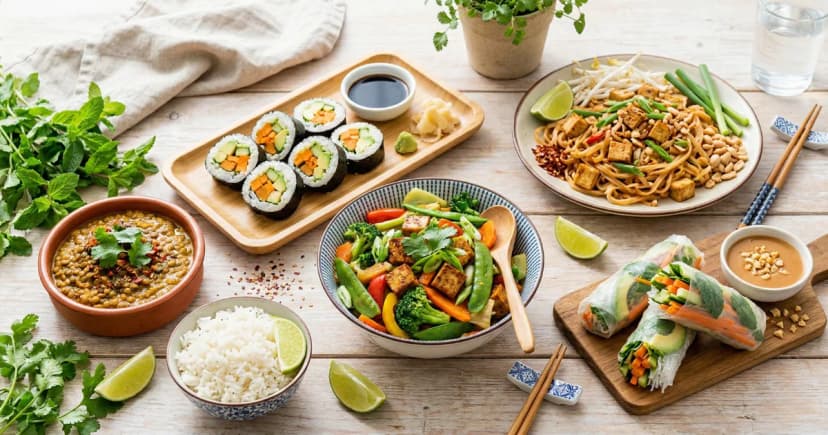
Vegetarian and Vegan Asian Food in Vancouver: 30+ Options
Vancouver offers one of North America's deepest selections of plant-based Asian restaurants, spannin
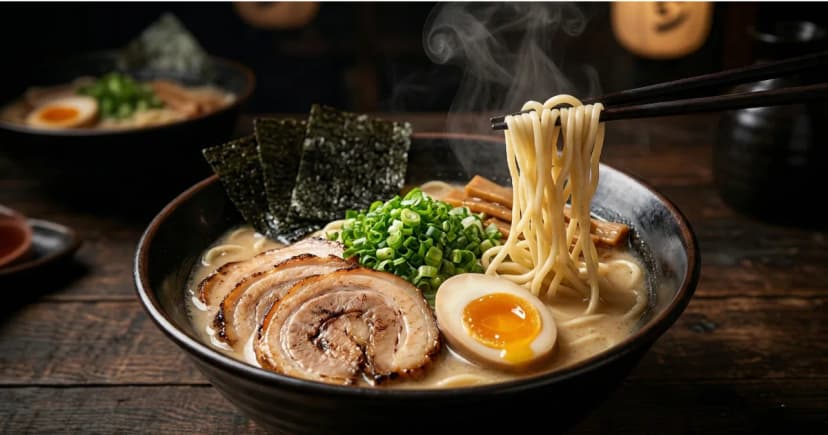
Vancouver Ramen Guide: From Tonkotsu to Tantanmen
Explore Vancouver's best ramen shops and styles, from creamy tonkotsu to fiery tantanmen. Covers 5 b
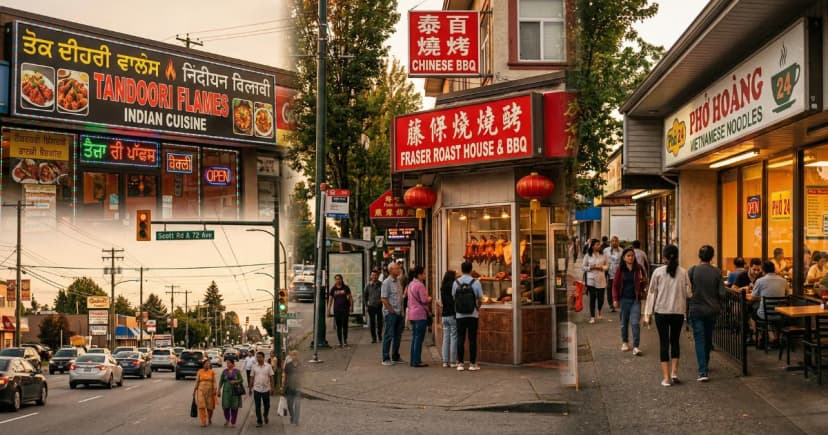
Surrey and South Vancouver Asian Food Guide: Beyond the City Centre
Surrey and South Vancouver hold some of Metro Vancouver's most authentic and affordable Asian dining
Got a food question?
Explore our guides and discover the best of Vancouver's food scene.
Browse Guides