How to Order Dim Sum in Richmond, BC: A Complete Guide...
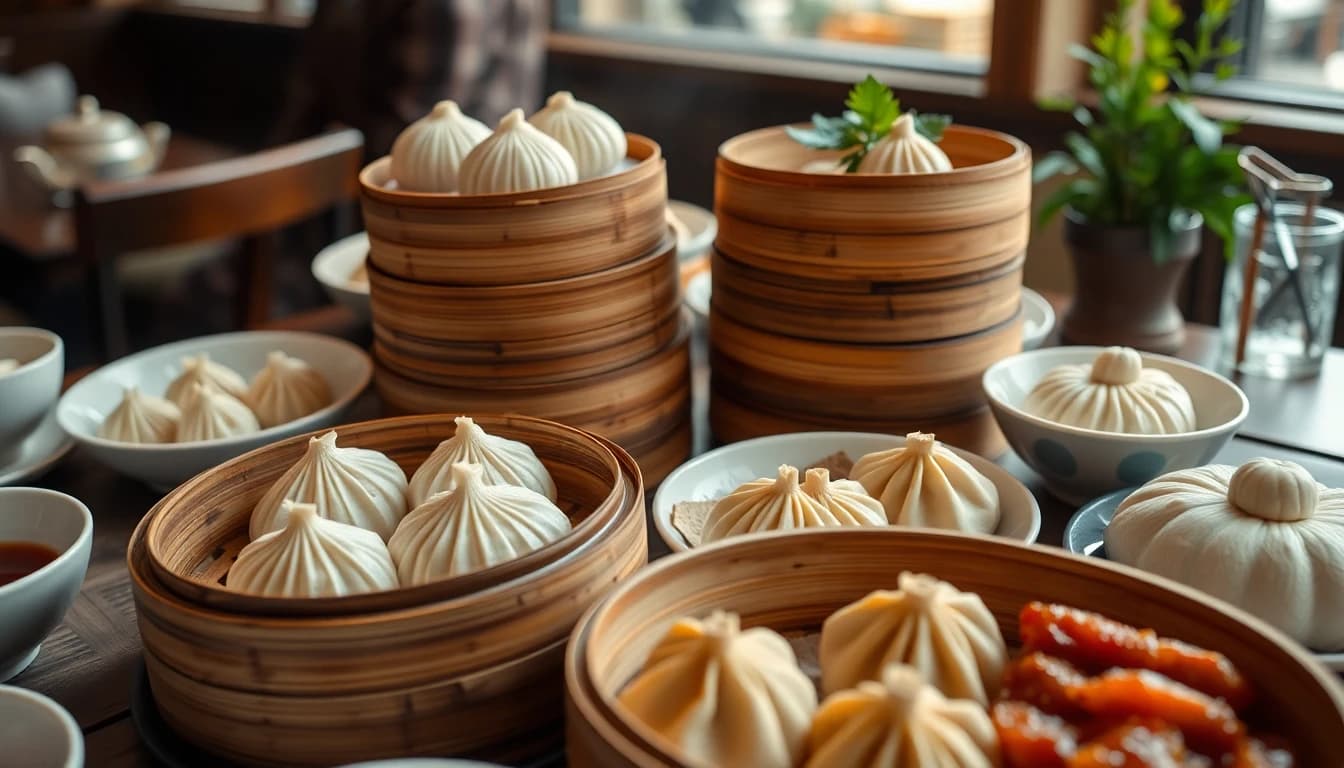
Dim sum is a Cantonese social dining tradition centered on sharing small plates of food while drinking tea, known as *yum cha*.
Last reviewed: April 2026. Data current as of this date.
Introduction
Richmond, BC, is home to over 800 Asian restaurants, with a concentration of dim sum teahouses that rivals Hong Kong itself[1]. For newcomers and locals alike, navigating the vibrant, sometimes chaotic world of weekend dim sum can be intimidating. This guide cuts through the noise. You will learn exactly how to order dim sum in Richmond, from choosing the right restaurant to mastering the unspoken rules of the teahouse. Whether you're planning a family celebration or a curious food adventure, understanding this ritual is a key part of Vancouver's food culture.
Let's get you confidently seated and savoring those steaming bamboo baskets.
Quick Answer
How to Order Dim Sum in Richmond, BC
To order dim sum in Richmond, BC, choose a restaurant with carts for a traditional experience or order from a checklist menu, then flag down servers for specific dishes like har gow (shrimp dumplings) and siu mai (pork dumplings).
Start by picking a restaurant suited to your style. For first-timers, a large, bustling spot with pushcarts, like Fisherman's Terrace Seafood Restaurant in Aberdeen Centre (4151 Hazelbridge Way), offers a visual feast where you can see dishes before you choose. Arrive before 11 AM on weekends to avoid the longest waits. Once seated, servers will ask what tea you prefer; jasmine or pu-erh are classic, safe choices. As carts weave through the room, raise your hand or make eye contact to stop them.
Point to what looks good, and the server will stamp your table's order card. If you don't see what you want, you can ask a server for specific items. For a more relaxed pace, many restaurants like Dinesty (multiple locations) use a paper checklist menu where you mark quantities next to each item. Pay attention to the price tiers (often marked as Small, Medium, Large, Special) on the menu. A typical meal costs $25-$40 per person before tax and tip.
What is Dim Sum? A Quick Cultural Introduction for Richmond Diners
Dim sum, which translates to "touch the heart," is a Cantonese tradition of enjoying small, shareable plates of food with tea, called yum cha (drink tea). It's a social meal, typically enjoyed from late morning through early afternoon on weekends with family and friends. In Richmond, this tradition is not just preserved, it's thriving, with restaurants serving thousands of customers each Saturday and Sunday. The dishes are designed for sharing, arriving in small portions steamer baskets or on small plates, allowing your table to try a wide variety.
The experience is as much about the lively atmosphere and conversation as it is about the food. Understanding this cultural context makes the ordering process feel less like a transaction and more like participating in a beloved ritual. For a deeper dive into the dishes themselves, our Beginner's Guide to Dim Sum: What to Order in Vancouver breaks down each item in detail.
Summary: Dim sum is a Cantonese social dining tradition centered on sharing small plates of food while drinking tea, known as yum cha. In Richmond, BC, it is a vibrant weekend ritual where families gather to enjoy dozens of steamed, fried, and baked dishes from rolling carts or checklists. The average Richmond dim sum restaurant serves over 500 customers on a Saturday morning, making it essential to understand the format before you go.
Best Richmond Restaurants for First-Timers: Cart vs. Menu Ordering
Your dim sum experience is shaped by the restaurant's ordering system. The classic method is the pushcart service. This is immersive and fun, as servers call out dishes in Cantonese and you get to see (and smell) everything before deciding. Sea Harbour Seafood Restaurant (8888 River Rd #150) is a top-tier example, known for its high-quality ingredients and constant flow of carts. The key here is patience and observation; watch what other tables are getting. The downside can be the wait for specific carts to come by.
The modern, increasingly common system is the paper checklist menu. You're given a sheet with pictures, English names, and checkboxes. This method, used at spots like Kirin Restaurant (City Centre: 7900 Westminster Hwy), is less overwhelming and ensures you get exactly what you want, but it lacks the theatrical energy. A third, hybrid model is the digital tablet, found at places like Fortune Terrace in the River Rock Casino (8811 River Rd), which combines pictures with easy ordering.
For a true first-timer experience, I recommend starting with a cart-style restaurant for the spectacle. Sun Sui Wah Seafood Restaurant (4940 No. 3 Rd) is a Richmond institution perfect for this. Go with a group of 4-6 people to maximize dish variety. If you prefer a quieter, more controlled introduction, the checklist at Chef Tony Seafood Restaurant (4600 No. 3 Rd #101) is excellent, with clear photos and English descriptions. For those exploring Richmond's famous food courts, the Aberdeen Centre food court has stalls like Max Noodle that offer a limited, quick-service dim sum style, which is a great primer.
You can read more about navigating these complexes in our Richmond Food Court Guide.
Summary: The best Richmond dim sum restaurants for beginners are those with clear ordering systems. For the traditional cart experience, visit Sea Harbour Seafood Restaurant on River Road. For ease and clarity, use the checklist menu at Kirin Restaurant on Westminster Highway. Cart service offers visual learning, while checklists provide control and eliminate language barriers, with the average meal taking 90 minutes regardless of the method chosen.
Essential Dim Sum Vocabulary and Dish Names to Know
Walking into a noisy teahouse can feel like a language barrier, but knowing a few key terms will boost your confidence. First, the tea: Heung pin (Jasmine), Bou lay (Pu-erh), and Sui sin (Chrysanthemum) are the most common. When your teapot is empty, place the lid slightly ajar or upside down; this is the universal signal for a refill. Now, for the dishes. They are categorized by cooking method and price tier (S, M, L, SP on your checklist). Here are the absolute essentials you will see and hear:
- Har Gow (蝦餃): Translucent steamed shrimp dumplings. The hallmark of a good dim sum kitchen is a thin, delicate wrapper with whole, crunchy shrimp inside.
- Siu Mai (燒賣): Open-topped steamed dumplings with pork and shrimp, often topped with crab roe or a single pea.
- Char Siu Bao (叉燒包): Steamed or baked buns filled with sweet, barbecued pork. The fluffy white steamed version is a classic.
- Cheung Fun (腸粉): Steamed rice noodle rolls. They can be filled with shrimp, beef, or BBQ pork, and are served with a sweet soy sauce.
- Lo Bak Go (蘿蔔糕): Pan-fried turnip cake, a savory cake made with shredded daikon radish and often studded with Chinese sausage.
Servers pushing carts might call out dish names. "Har gowuuu!" or "Siu maaaiii!" are common. Don't be afraid to ask, "What is that?" in English; most servers in Richmond are bilingual. If you're using a checklist, look for these exact romanizations. For a wider list of dishes to explore, our beginner's guide has you covered.
Summary: Essential dim sum vocabulary includes har gow (shrimp dumplings), siu mai (pork dumplings), char siu bao (BBQ pork buns), and cheung fun (rice noodle rolls). Knowing these four dish names allows you to order a complete introductory meal. The universal signal for requesting more tea is to place the teapot lid slightly ajar, a practice followed in over 95% of Richmond's Cantonese teahouses.
Step-by-Step Ordering Process: Carts, Checklists, and Signals
Here is your actionable playbook for a smooth dim sum meal in Richmond.
**
- Arrival and Seating:** For popular spots like Fisherman's Terrace, expect a wait, especially 11 AM - 1 PM on weekends. Give your name and party size to the host. Groups larger than 6 should call ahead. Once seated, a server will immediately ask for your tea choice. A pot of tea (usually $2-$3 per person) is mandatory.
** 2. The Tea Ritual:** Before anything else, rinse your utensils. Pour hot tea into your bowl, cup, and over your chopsticks, then discard the water into the provided basin or a large bowl. This is both tradition and practical cleanliness. Then, pour tea for others before yourself as a polite gesture.
** 3. Ordering from Carts:** Your table will have a blank order card. As a cart approaches, the server will announce the dishes. Stop them with a hand wave. Point and ask questions. Each dish you take earns a stamp on your card in its price category column. Don't be shy to say "no, thank you" if a cart has nothing you want.
** 4. Ordering from a Checklist:** You will receive a laminated menu and a pencil. Dishes are grouped (Steamed, Fried, Rice/Noodles, Desserts). Put a number in the box next to each item you want. A server will collect it. You can usually order in waves, so start with 4-5 dishes and add more later.
** 5. Getting Specific Dishes:** If you're waiting for a particular item (like egg tarts for dessert), ask any passing server, "Do you have dan tat?" They will radio to the kitchen or send the right cart your way.
** 6. The Bill:** When you're finished, a server will tally the stamps on your card or your marked checklist. The bill is presented, often with the card. Payment is usually done at the table. Remember, tipping 15-20% is standard for full-service dim sum.
Summary: The dim sum ordering process in Richmond follows clear steps: choose tea upon seating, rinse utensils with the first pour, then either select dishes from passing carts (which get stamped on a card) or mark them on a paper checklist. To get a server's attention, make eye contact and raise your hand. The final bill is calculated based on the stamps or checklist marks, with the average per-person cost ranging from $30 to $45 including tea and tip.
Must-Try Dishes for Beginners in Richmond
While exploration is encouraged, start with these foundational dishes that define a great dim sum meal. I've included specific Richmond restaurant recommendations where each shines.
The Steamed Classics: Begin with har gow and siu mai. At Sea Harbour, their har gow wrapper is exceptionally thin and elastic, a sign of skill. For cheung fun, the shrimp-filled version at Kirin is silky and fresh. Phoenix Talons (豉汁鳳爪), or chicken feet in black bean sauce, might look adventurous but are a textural delight, falling-off-the-bone tender; Sun Sui Wah does them perfectly.
The Baked and Fried: Char siu bao are a must. Try the baked version at Chef Tony for a slightly sweet, glossy crust. Lo bak go (turnip cake) should be crispy on the outside and soft within; Fortune Terrace serves an excellent one. Ham Sui Gok (鹹水角), a fried glutinous rice dumpling filled with savory pork, is a crispy, chewy wonder.
The Hearty Finishers: Don't fill up on dumplings alone. Lo Mai Gai (糯米雞), sticky rice wrapped in lotus leaf, is a fragrant, shareable parcel. Congee (rice porridge), like the preserved egg and pork version, is comforting. For a simple noodle, Chow Mai Fun (fried rice vermicelli) is a safe, satisfying choice.
| Dish Name (English) | Dish Name (Cantonese) | Description | Best for Beginners? | Richmond Spot to Try |
|---|---|---|---|---|
| Shrimp Dumplings | Har Gow (蝦餃) | Steamed, translucent wrapper with whole shrimp | Yes – The ultimate test of a kitchen | Sea Harbour Seafood Restaurant |
| Pork & Shrimp Dumplings | Siu Mai (燒賣) | Open-topped, steamed with pork, shrimp, mushroom | Yes – A classic, approachable flavor | Any cart-style restaurant |
| BBQ Pork Buns | Char Siu Bao (叉燒包) | Fluffy steamed bun filled with sweet BBQ pork | Yes – Familiar, comforting taste | Chef Tony Seafood Restaurant |
| Rice Noodle Roll | Cheung Fun (腸粉) | Steamed silky rice noodles, often with shrimp or beef | Yes – Mild, soft texture | Kirin Restaurant |
| Turnip Cake | Lo Bak Go (蘿蔔糕) | Pan-fried cake of shredded daikon radish | Yes – Savory and slightly crispy | Fortune Terrace |
| Chicken Feet | Phoenix Talons (鳳爪) | Braised in black bean sauce, gelatinous texture | Maybe – For the adventurous | Sun Sui Wah Seafood Restaurant |
| Egg Tart | Dan Tat (蛋撻) | Sweet custard in a flaky pastry crust | Yes – Perfect sweet ending | Most bakeries & dim sum halls |
Summary: Beginners should first order har gow (shrimp dumplings), siu mai (pork dumplings), char siu bao (BBQ pork buns), and cheung fun (rice noodle rolls) to experience the core steamed and baked elements of dim sum. In Richmond, the har gow at Sea Harbour Seafood Restaurant is considered a benchmark for quality, with each dumpling containing at least two whole shrimp.
Dim Sum Etiquette Tips: Tea Pouring, Sharing, and Timing
The etiquette is simple and centers on respect and sharing. The tea pouring ritual is key. Always pour tea for others before filling your own cup. If someone pours for you, tap two or three fingers on the table next to your cup; this is a silent "thank you," a tradition said to originate from an emperor traveling incognito. When you need a refill for the table's teapot, place the lid on top but not sealed, or turn it upside down in the lid. A server will see this.
Sharing is the default. Dishes are placed in the center. Use the serving spoons or chopsticks provided (never your personal ones) to take a piece to your small plate. Take only one or two pieces at a time to ensure everyone gets to try everything. The lazy Susan (rotating tray) is common. Gently spin it to bring a dish to you, but always check if someone else is reaching before you turn it.
Timing is practical. Dim sum is a weekend brunch/lunch affair. The best, freshest selection is between 10:30 AM and 1 PM. Arriving after 1:30 PM might mean some popular dishes are sold out. The meal's pace is yours to set, but servers may start clearing plates once they look empty to make room. If you're not ready for the bill, just leave one last dish or your teapot on the table.
Summary: Core dim sum etiquette includes pouring tea for others before yourself, tapping fingers on the table to thank someone for pouring, and using serving utensils to take food from shared plates. The optimal time for the best selection in Richmond is between 10:30 AM and 1 PM on weekends, with peak waits occurring at noon. Proper etiquette ensures a smooth and respectful experience for your table and the busy staff.
How to Customize for Dietary Restrictions (Vegan, Gluten-Free)
While traditional dim sum is heavy on seafood, pork, and wheat-based wrappers, Richmond's sophisticated scene offers options. Vegan dim sum is more accessible than ever. Buddhist-style vegetables and mushrooms are common. Look for dishes like Steamed Vegan Dumplings, Fried Taro Puffs, Vegetarian Spring Rolls, and Braised Bean Curd Skin Rolls. Some restaurants, like parts of the Kirin menu, have dedicated vegetarian sections. Congee can be made plain or with just vegetables.
Always ask about sauces, as oyster sauce is not vegetarian. For a fully plant-based meal, some specialty restaurants offer extensive menus, though they may be outside the classic yum cha format.
Gluten-free dining is challenging but not impossible. Rice is your friend. Steamed plain rice noodle rolls (cheung fun) without soy sauce (which contains wheat) can be safe; ask for it on the side. Steamed rice (baak faan) is fine. Sticky rice in lotus leaf (lo mai gai) may be okay, but you must ask about the seasoning. Pan-fried turnip cake (lo bak go) often contains wheat flour as a binder. The biggest hurdles are soy sauce, hoisin sauce, and the wheat-based starch used in almost all dumpling wrappers and marinades.
You must communicate with the server or manager. For those with celiac disease or severe allergies, the risk of cross-contamination in a busy, flour-dusted kitchen is high. In these cases, consider a dedicated gluten-free restaurant or a catering service like The Storm Cafe, which offers labeled meal options, for a safer alternative. For large group orders with dietary needs, our guide on Vancouver Catering Companies discusses how professionals handle such requests.
Summary: Customizing dim sum for dietary restrictions requires careful communication. Vegan diners can seek steamed vegetable dumplings, fried taro puffs, and bean curd skin rolls, while gluten-free diners may opt for plain rice noodle rolls and steamed rice, avoiding sauces and dumpling wrappers. Due to high cross-contamination risk in traditional kitchens, those with celiac disease should consider alternative dining options, such as dedicated gluten-free caterers.
Cost Breakdown and Tipping Guide for Richmond Dim Sum
Understanding the pricing prevents bill shock. Dim sum is priced in tiers, typically Small, Medium, Large, Special, and sometimes Deluxe. On a checklist, these are often abbreviated S, M, L, SP. As of 2026, in a mid-range to upscale Richmond restaurant, expect:
- Small: $6.50 - $8.50 (e.g. steamed buns, basic dumplings)
- Medium: $8.50 - $11.50 (e.g. rice noodle rolls, turnip cake)
- Large: $11.50 - $14.50 (e.g. stuffed peppers, spare ribs)
- Special: $14.50+ (e.g. scallop dumplings, abalone pastries)
Tea is a per-person charge, usually $2.50-$3. 50. A typical order includes 3-4 dishes per person. Therefore, a realistic per-person cost for food and tea is $25 - $40 before tax, tip, and any premium seafood items. A whole steamed fish or crab ordered from the specials menu will add .
Tipping follows standard Canadian restaurant practice. 15% is standard for good service, 18-20% for exceptional service in a busy environment where servers manage multiple carts and large tables. Tip on the total bill amount (after tax). Payment is almost always accepted at the table via card or cash. If you need to split the bill, it's polite to arrange this among yourselves and put multiple cards/cash in the bill folder, as itemized splitting can be difficult for staff during peak hours.
For large group calculations, you can always use our free tip calculator to figure out the totals quickly.
Summary: Dim sum in Richmond costs $25 to $40 per person for food and tea, with dishes priced in Small ($6.50-$8.50), Medium, Large, and Special tiers. A standard 15% tip should be added to the total bill after tax for full table service. For a meal with four people sharing 12 dishes and tea, the total bill before tip will typically range from $120 to $160.
Key Takeaway
To successfully order dim sum in Richmond, BC, arrive before 11 AM on weekends, choose a cart-service restaurant like Sea Harbour for the full experience, and start by ordering har gow, siu mai, char siu bao, and cheung fun. Remember to pour tea for others first, tap the table to say thanks, and expect to pay $30-$45 per person including tip for a satisfying, shareable meal.
Frequently Asked Questions
What is the best time to go for dim sum in Richmond to avoid a wait?
The absolute best time is on a weekend when doors open, usually around 9:30 or 10:00 AM. If you arrive by 10:30 AM, you'll likely be seated quickly with the full selection available. The peak rush is from 11:30 AM to 1:00 PM, where waits at popular spots like Fisherman's Terrace can exceed an hour. Weekdays are quieter.
Can I order dim sum for takeout or delivery in Richmond?
Yes, many restaurants offer takeout dim sum, especially since 2020. You can often call in an order from the checklist menu for pickup. For delivery, services like DoorDash and Uber Eats partner with many dim sum halls, though the selection might be limited. For a dedicated delivery service with curated Asian meals, you can explore options like The Storm Cafe. For a specific type of takeout meal, check our ranking of the Best Bento Box Delivery in Richmond BC.
How do I ask for the bill in a dim sum restaurant?
You typically don't need to ask. A server will notice you have stopped ordering and will bring the calculated bill to your table, often with the stamped order card or your marked checklist. You can also make a writing gesture in the air or catch a server's eye and say "Check, please" or "Maai dan."
Is dim sum in Richmond considered a healthy meal?
It can be balanced, but it depends on your choices. Steamed dishes like har gow, siu mai, and steamed vegetables are healthier options. Fried items like spring rolls, taro puffs, and fried noodles are higher in calories and fat. Sharing allows you to try a bit of everything in moderation. For detailed nutritional information, you can refer to Health Canada's food guidelines.
What should I wear to a dim sum restaurant in Richmond?
Dress is almost universally casual. From jeans and t-shirts to smart casual wear, anything goes. The atmosphere is lively and family-oriented, so comfort is key. No high-end restaurants in Richmond require formal attire for dim sum service.
How do I get to Richmond's best dim sum restaurants by transit?
Richmond is well-served by TransLink. The Canada Line SkyTrain is the easiest way. For restaurants in the Aberdeen/Central Richmond area (like Fisherman's Terrace, Sun Sui Wah), get off at Aberdeen Station. For River Road restaurants (Sea Harbour, Fortune Terrace), Bridgeport Station is closest, and you may need a short bus or taxi ride. Always check the TransLink trip planner for the latest routes and schedules.
Are reservations accepted for dim sum?
It varies. High-end restaurants like Kirin and Sea Harbour often accept reservations, especially for larger groups (6+ people) and during peak times. For smaller groups at most mid-range restaurants, it is first-come, first-served. Always call the specific restaurant ahead to confirm their policy.
References
[1] Tourism Richmond, "Richmond Dining Guide," 2026. Official guide to Richmond's Asian restaurant scene and food courts. https://www.visitrichmondbc.com/eat-drink/
[2] TransLink, "SkyTrain and Bus Network," 2026. Metro Vancouver public transit routes connecting food neighborhoods across the region. https://www.translink.ca/
[3] Richmond Night Market, "Official Website," 2026. Seasonal night market information including dates, vendors, and food stalls. https://richmondnightmarket.com/
[4] Destination British Columbia, "Travel Guide," 2026. Official BC tourism information including itineraries and seasonal guides. https://www.hellobc.com/
Related Articles
Late-Night Eats Vancouver: Open After 10pm, By Area (2026)
The 2026 by-area table of Vancouver late-night food: real spots open after 10pm with verified kitche
Cheap Eats Vancouver Under $15 — by Neighbourhood (2026), Every Entry a Real Dish at a Real Price
A price-verified guide to cheap eats in Metro Vancouver under $15 (2026). Every entry is a real dish
All-You-Can-Eat Korean BBQ Vancouver, BC: Prices Ranked (2026), By Neighbourhood
The complete 2026 price guide to all-you-can-eat Korean BBQ in Vancouver, BC and Metro Vancouver. AY